
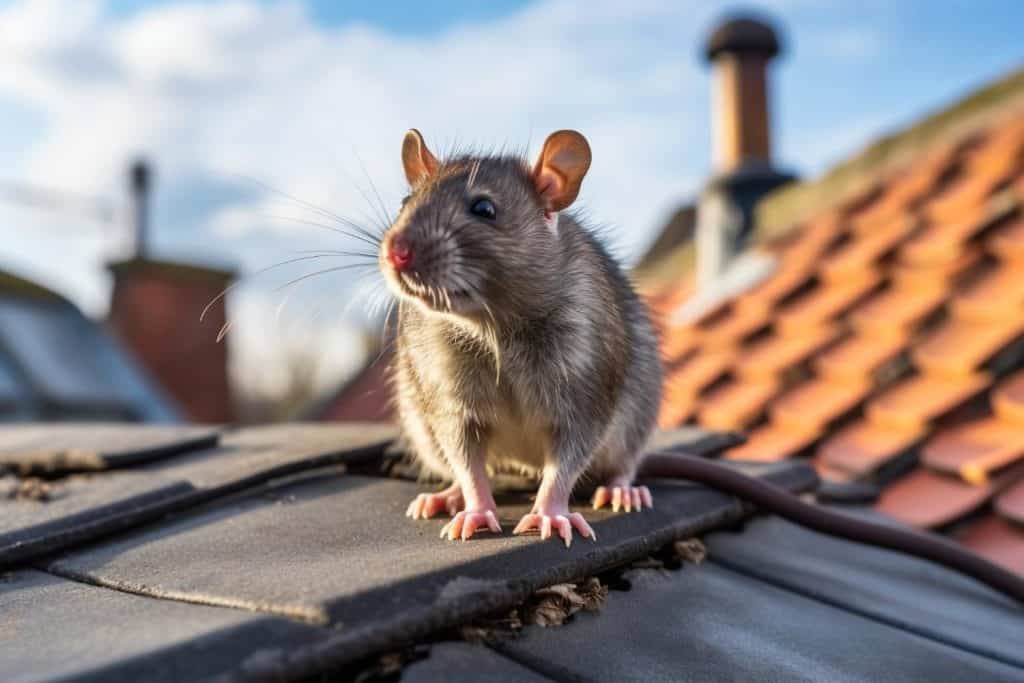
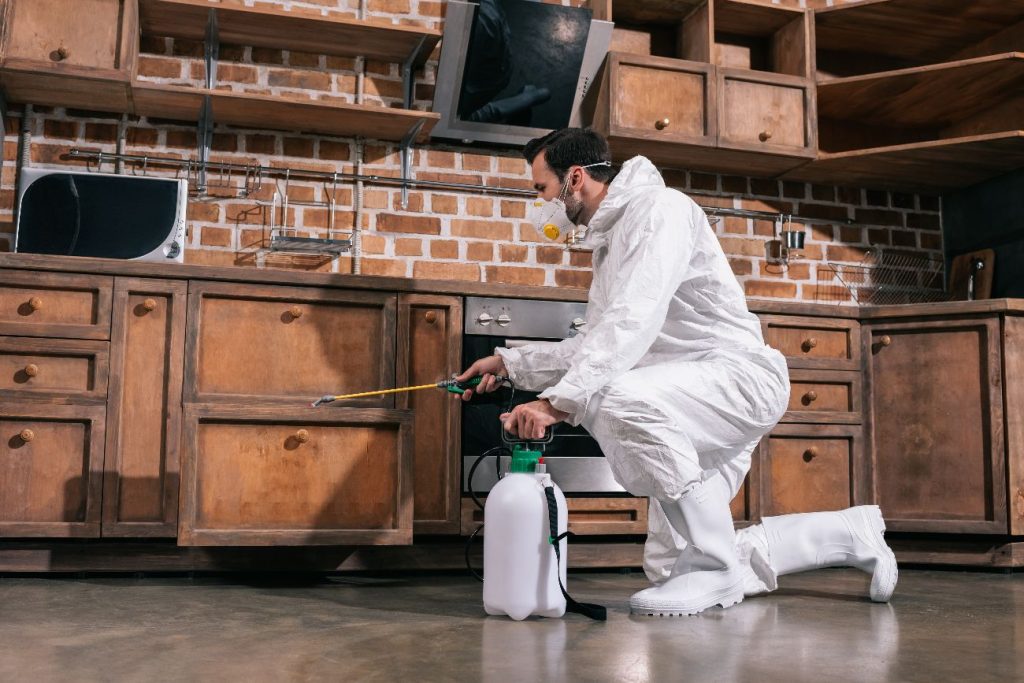
Seeing a mouse in your home is unpleasant. Seeing one run across the floor of a restaurant can become a business emergency.
For restaurants, cafés, bakeries, and other food establishments, pest control isn’t simply about keeping customers happy. An infestation can become a food-safety issue, trigger a public-health inspection, damage a restaurant’s reputation, and potentially interfere with its ability to continue operating.
That makes pest prevention an important part of restaurant risk management.
Why Restaurants Are Particularly Vulnerable to Pests
Restaurants provide almost everything common pests need: food, water, warmth, and shelter.
Potential problem areas include:
- food-storage rooms;
- garbage and recycling areas;
- floor drains;
- loading areas;
- gaps around pipes;
- damaged doors and windows;
- areas underneath kitchen equipment; and
- moisture caused by plumbing or refrigeration equipment.
A small maintenance issue can therefore become a much larger problem surprisingly quickly.
A Pest Sighting Can Become a Regulatory Problem
A customer spotting a cockroach is bad enough. A public-health inspector finding evidence of an infestation can be much more serious.
Restaurant operators are generally expected to prevent pests from entering food premises and eliminate conditions that allow them to harbour or breed.
An inspector may look for evidence such as droppings, nesting materials, damaged food packages, insects, entry points, or conditions conducive to infestation.
Depending on the seriousness of the situation, the operator may be required to take corrective measures before the issue escalates.
Pest Control Records Can Matter
Calling an exterminator is only part of managing the problem.
Restaurants should consider keeping records showing:
- when pest activity was discovered;
- when pest-control professionals attended;
- what treatment was performed;
- where traps or monitoring devices were installed;
- what structural repairs were completed; and
- what follow-up monitoring occurred.
These records can help management identify recurring problems and demonstrate that pest concerns are being actively addressed.
The Building Itself May Be the Problem
Not every restaurant infestation begins with poor food handling.
Rodents and insects can enter through problems with the physical property, including damaged walls, roof openings, leaking pipes, poorly sealed doors, and gaps around utility penetrations.
Moisture can be particularly problematic because leaks and water damage can create conditions attractive to pests.
For restaurant tenants, this can also raise questions about whether the restaurant operator or commercial landlord is responsible for particular repairs.
Don’t Wait Until You See a Pest
A restaurant shouldn’t wait for someone to photograph a mouse before thinking about pest control.
Preventive measures can include:
- sealing exterior openings;
- inspecting deliveries;
- keeping food in appropriate containers;
- maintaining clean waste areas;
- repairing leaks quickly;
- cleaning underneath equipment;
- monitoring drains;
- arranging scheduled pest inspections; and
- documenting corrective work.
Pest management works best when it is treated as an ongoing process rather than an emergency service.
What If the Restaurant Is Ordered to Correct the Problem?
If pest activity results in an inspection finding, restaurant operators should carefully document their response.
That may mean obtaining professional pest-control services, disposing of affected food, repairing structural entry points, cleaning and sanitizing affected areas, and arranging whatever follow-up is required by the relevant public-health authority.
Serious situations can potentially lead to closure or other enforcement consequences.
Where an infestation has developed into a regulatory issue rather than simply a maintenance problem, operators may also want advice from an experienced restaurant lawyer about public-health compliance, inspection findings, licensing consequences, and responding to regulatory authorities.
Prevention Protects More Than the Kitchen
Pest prevention protects food, but it also protects the business itself.
A significant infestation can result in wasted inventory, treatment expenses, temporary closures, negative reviews, and reputational damage that continues long after the pests are gone.
For restaurants, good pest management isn’t simply about getting rid of unwanted visitors. It’s part of maintaining a safe, compliant, and successful food business.