Discovering bugs or critters inside a property creates immediate stress for any owner. Many individuals wonder if fixing the entire property remains mandatory before putting it on the market. Direct sales options exist for structures affected by insects, rodents, or wood-destroying organisms. Owners can transfer ownership without spending thousands on exterminators or structural fixes.
Understanding As-Is Property Sales
Selling a property without completing repairs remains a legitimate option in the current housing market. Securing a hassle-free cash sale for Jacksonville homeowners allows sellers to bypass costly extermination projects and move forward quickly. Direct buyers step in to purchase homes in their current condition, taking on any pest burdens directly.
Homeowners often feel overwhelmed when confronted with active colonies or hidden structural destruction. Traditional real estate agents frequently urge clients to clear all active issues before listing publicly. Skipping repairs saves upfront capital and eliminates endless contractor schedules.
Financial Impact of Unaddressed Infestations
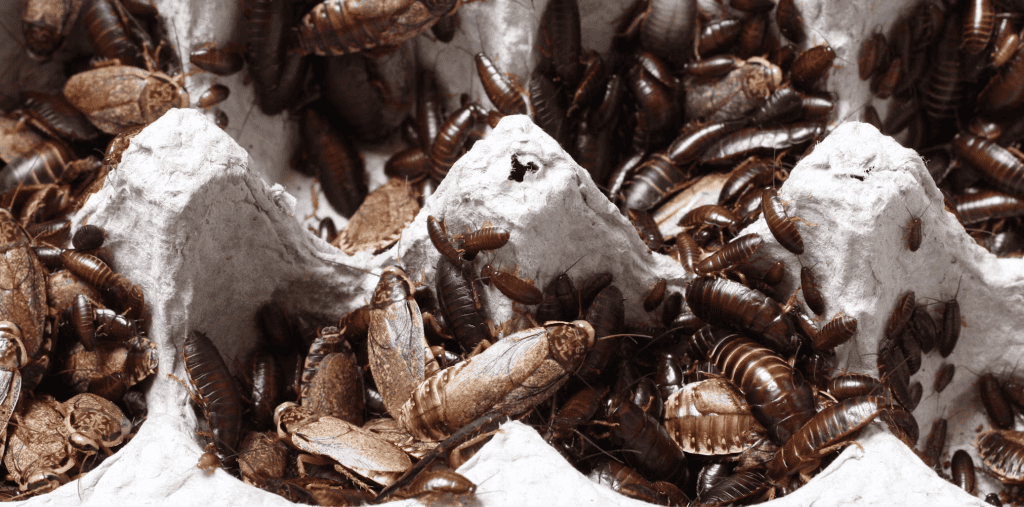
Pests cause severe damage that accumulates continuously, compounding total structural restoration expenses. Federal environmental reports reveal that termites trigger billions of dollars in structural damage annually, and property owners spend over $2 billion treating them. These astronomical figures explain why traditional buyers hesitate to submit offers on damaged structures.
Ignoring persistent infestations degrades basic living conditions and property materials. Consumer protection guidelines indicate that pests, infestations, mould, and damp harm human health and cause severe property damage if people do not handle them quickly. Buyers who notice signs of severe activity often demand massive price cuts to cover potential repairs.
Mandatory Disclosure Requirements
Selling without fixing issues does not mean selling in secret. Legal guides explain that 8 states apply the legal concept of caveat emptor, or buyer beware, to property sales. Most locations demand full honesty regarding known structural or environmental defects.
Hiding known bug activity creates severe legal exposure after closing. Legal references note that sellers must complete required property disclosures regardless of whether property transfers occur under an as-is agreement. Failing to reveal known termite activity can result in court battles long after handing over the keys.
State Regulations and Legal Obligations
State regulations dictate what details an owner must share with buyers before closing a real estate deal. Real estate legal summaries point out that in many states, including California, sellers must reveal detailed information regarding property condition and potential hazards to prospective buyers. Buyers utilize these official documents to determine their financial risk before signing.
Legal experts specializing in property disputes state that whether a seller fills out a property disclosure form or uses an as-is disclaimer, disclosing active termites remains mandatory. Property owners must document specific details on official forms:
- Known historical or active wood-destroying insect activity
- Previous treatments, chemical applications, or structural repairs
- Existing damage to support beams, subfloors, or framing
Consequences of Non-Disclosure
Attempting to conceal pest history can lead to direct legal disputes from disgruntled buyers. Research into property litigation shows that 12% of real estate legal cases in New South Wales involve claims of inadequate or false seller disclosures. Honest communication remains the safest path when selling any distressed property.
Buyers who discover hidden damage post-sale frequently retain attorneys to recover financial losses. Disclosing all known pest activity upfront shifts the risk to the buyer and protects the seller from post-sale legal actions. Full transparency allows both parties to enter the agreement with complete awareness.
Benefits of Selling Directly to Cash Buyers
Traditional buyers relying on mortgage financing face strict lender requirements regarding pest inspections. Banks often refuse to approve loans for homes with active termite infestations or severe wood damage. Cash buyers bypass lender restrictions, creating smooth transactions without mandatory repairs or formal bank clearances.
Selling directly eliminates expensive staging, repeated open houses, and prolonged contract negotiations. Direct buyers calculate repair costs into their initial cash offer, absorbing the work themselves. Property owners walk away with cash without spending time managing contractor schedules or paying out-of-pocket remediation expenses.
Choosing the Right Direct Sale Approach
Evaluating direct buyers helps property owners select a partner who understands distressed property conditions. Professional cash buyers evaluate structural damage neutrally and formulate straightforward purchase contracts. Sellers gain peace of mind by securing clean cash offers that require zero cleanups, exterminator treatments, or structural updates.
Working with experienced buyers streamlines title transfers and eliminates traditional escrow hurdles. Sellers retain total control over the closing date, coordinating their move according to personal schedules. This efficiency provides a practical alternative to months of costly home renovations and open house showings.
Selling a home with pest problems requires clear communication and realistic expectations. Property owners can avoid expensive repair bills by opting for direct cash buyers willing to handle remediation post-sale. Providing full disclosures protects sellers legally and opens doors to rapid transactions. Accepting an as-is offer provides a straightforward path toward closing without unnecessary stress.