Eliminating cardboard boxes and utilizing elevated enclosed storage units allows homeowners to protect valuable belongings from destructive seasonal pests.
Unfinished areas like your garage act as primary entryways for seasonal pests seeking shelter. When items pile up on the floor in cardboard boxes or rest on open shelving, you inadvertently create undisturbed nesting grounds for destructive rodents and insects.
Taking control of this space requires a strategic shift in how you store seasonal gear and household overflow. Moving away from vulnerable ground-level clutter protects your belongings while establishing a durable defense system against unwanted invaders.
Why Do Cardboard and Exposed Fabrics Attract Nesting Pests?
Cardboard boxes represent one of the most significant pest magnets in any home storage area. Corrugated paper absorbs moisture quickly, creating a humid microclimate that silverfish and cockroaches thrive in. Mice easily gnaw through paper layers, shredding the material to build warm, hidden nests right against your garage floor.
Exposed fabric items like spare blankets, winter coats, and patio cushions present similar vulnerabilities when stored in porous containers. Rodents seek out soft organic fibers to line their breeding spots, while moths and beetles feed on natural textiles. Storing these items in unsealed boxes gives pests direct access to food and bedding.
Replacing paper containers with sealed, non-porous bins halts this cycle immediately. Hard shell plastic or metal storage blocks scent signals, stops chewing attempts, and keeps interior moisture levels too low for insect survival.
What Makes Wall-Mounted Cabinets Superior to Floor Shelving?
Floor-standing open shelves still leave your possessions accessible to climbing pests. Rats and mice easily navigate vertical wire racks or timber supports, gaining direct access to items stored on upper tiers.
Installing heavy-duty garage cabinets transforms vulnerable open space into a secure, fully enclosed barrier that pests cannot penetrate. Suspended cabinetry keeps the entire floor area beneath clear and fully visible, allowing you to spot early signs of pest activity before an infestation takes root.
Integrated door seals and tight-fitting cabinet seams prevent silverfish, spiders, and mice from squeezing into interior compartments. When every shelf stays sealed behind rigid doors, stored items remain clean and untouched year-round.
How Do You Implement Integrated Pest Management Through Storage Design?
Integrated Pest Management relies on altering the physical environment so pests cannot easily settle or navigate. Ground-level stacks of bins create shadowy tunnels and protected corners where mice move unseen along wall edges.
- Clear ground pathways: Keep the perimeter of your floor completely bare to eliminate protected travel routes for mice.
- Raise storage height: Mount your shelving systems at least 6 inches off the floor to expose former hiding spots.
- Seal structural gaps: Inspect walls near overhead units to make sure small entry points remain fully blocked.
Elevating your layout disrupts the natural instinct of rodents to run along baseboards under cover. Clearing the bottom perimeter allows light and air movement to penetrate spaces that previously offered total concealment.
How Do Elevated Systems Protect Your Belongings?
Maintaining a clean barrier between your personal property and the concrete floor changes the entire dynamic of pest prevention. Unprotected items resting directly on slabs quickly gather dampness, creating ideal conditions for nesting activity.
Guidelines from the Centers for Disease Control and Prevention suggest keeping household goods raised off the garage floor using heavy plastic or metal frameworks to eliminate the sheltered micro-environments mice rely on for nesting. Elevating your storage framework removes the dark corridors pests need to establish permanent colonies.
Lifting your storage off the ground makes cleaning effortless while depriving pests of quiet corners. Combining raised structural supports with solid cabinetry ensures long-term protection for your seasonal valuables.
Why Do Dense Casework and Steel Outperform Standard Materials?
Standard retail shelving units made of untreated particleboard or light plastic degrade quickly in unconditioned spaces. Fluctuating humidity softens composite wood, making it easy for rodents to chew through corners and construct entry holes.
Powder-coated steel and heavy-duty dense casework offer vastly superior resistance to pest activity and moisture accumulation. Steel panels completely prevent chewing damage, while specialized powder coatings guard against rust and physical wear.
Official advice from the Environmental Protection Agency highlights that habitat reduction paired with durable physical barriers forms the most effective long-term strategy for keeping unwanted pests out of residential structures. High-grade material selection ensures your storage structure remains intact regardless of seasonal temperature swings.
How Can Elevated Modular Systems Simplify Routine Pest Audits?
Fixed, low-lying storage units hide pest evidence like droppings, gnaw marks, and shredded insulation until an infestation becomes severe. Suspended modular systems clear your line of sight directly to the wall-floor junction where pests enter.
Sweeping or vacuuming along baseboards takes seconds when no boxes or heavy frames block your path. Clear access under units makes setting monitoring traps effortless and ensures instant detection if a pest breaches the perimeter.
Modular arrangements allow you to adjust shelf heights as your storage needs change over time. Maintaining a flexible, elevated layout keeps your storage functional without creating new corners for pests to colonize.
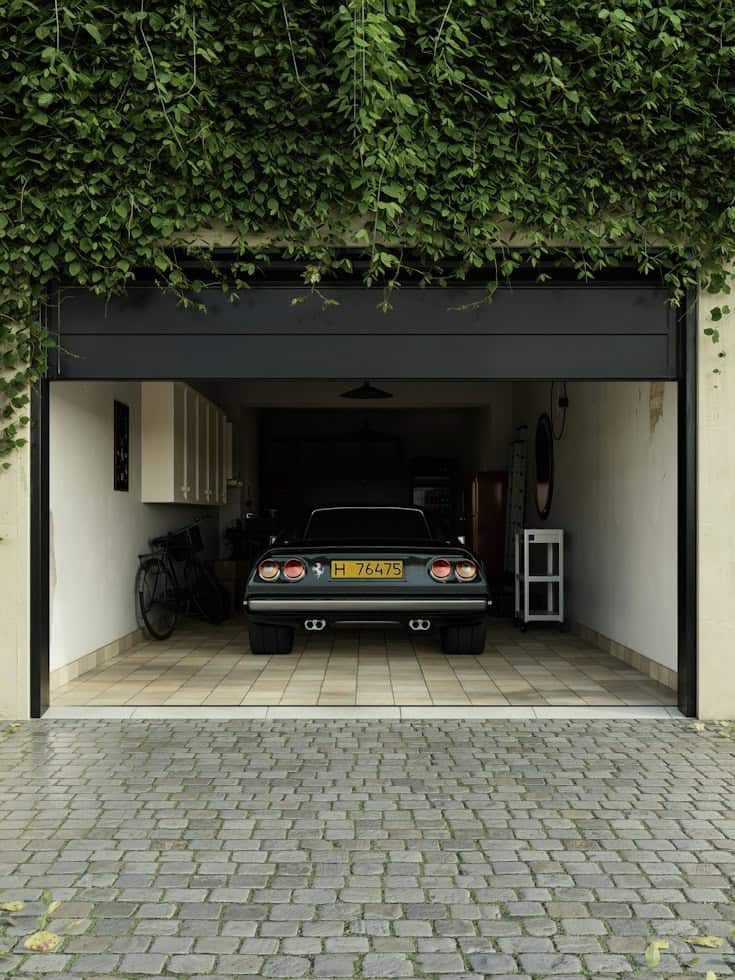
Pairing sturdy physical storage with consistent habits builds a resilient home environment. Upgrading your layout transforms an inviting pest harbor into a secure, organized space that keeps your property protected year after year.