Proper backyard spatial design, non-porous pool surfaces, and sealed hardscape perimeters stop stagnant moisture and pest breeding zones near living areas.
Residential property owners are increasingly re-evaluating traditional outdoor layouts to protect their living spaces from invasive pests. Unplanned garden beds, open soil perimeters, and poor surface choices create ideal environments for unwanted pests to thrive right outside your back door. Taking a proactive approach to modern structural design allows you to reclaim your yard while minimizing reliance on heavy chemical treatments.
By replacing vulnerable soil zones with engineered materials, you establish a resilient defense line around your outdoor entertainment space. Thoughtful layout planning eliminates hidden damp pockets, blocks subterranean pathways, and keeps your open-air living areas clean, dry, and welcoming throughout every season.
How Do Engineered Drainage Systems Stop Stagnant Water Traps?
Water accumulation stands as one of the single largest drivers of backyard insect populations. Rainwater collecting near foundation lines or beneath patio surfaces provides an open invitation for pests to lay eggs and flourish. Installing subsurface French drains, catch basins, and properly sloped gravel channels directs runoff away from high-use areas.
A report by American Dream Home Inspections emphasizes that poor drainage systems compromise soil stability, create pooling water that acts as a primary breeding ground for mosquitoes, and eventually seep toward structural basements. Addressing low spots in your lawn with engineered grading ensures excess moisture clears out rapidly after heavy storms.
What Are the Hygienic Advantages of Non-Porous Pool Surfaces?
Traditional pool materials often require regular heavy maintenance to keep organic growth and micro-pests from setting up residence along the waterline. Concrete and plaster feature microscopic pores that retain moisture, trap organic debris, and host stubborn algae blooms. Composite shell options eliminate these porous micro-environments entirely.
Factory-cured fiberglass structures feature a smooth gelcoat finish that prevents moisture absorption into the shell walls. Selecting factory-sealed composite pool structures eliminates subterranean soil disturbance and reduces pest harborage risks. Property owners planning seamless backyard upgrades should partner with certified local contractors for Latham pool installation to ensure proper perimeter sealing and long-term structural integrity.
The slick surface makes it nearly impossible for swimming insects or organic waste to cling to pool walls. You end up spending far less effort skimming debris or applying harsh chemical balancers. Clean, circulating water naturally deters pests from choosing your swimming area as a hydration station.
Strategic Layout Considerations for Pool Surroundings
- Maintain wide paved walkways: Keep grass and dense shrubbery at least 3 feet back from the water edge to eliminate direct jumping paths for insects.
- Select smooth coping stones: Interlocking bullnose edges reduce narrow gaps where small bugs like to hide during hot afternoon hours.
- Position skimmers strategically: Align filtration intakes with prevailing wind patterns to catch floating leaves before they sink and decay.
How Do Sealed Stone Paver Borders Eliminate Ground Pest Nests?
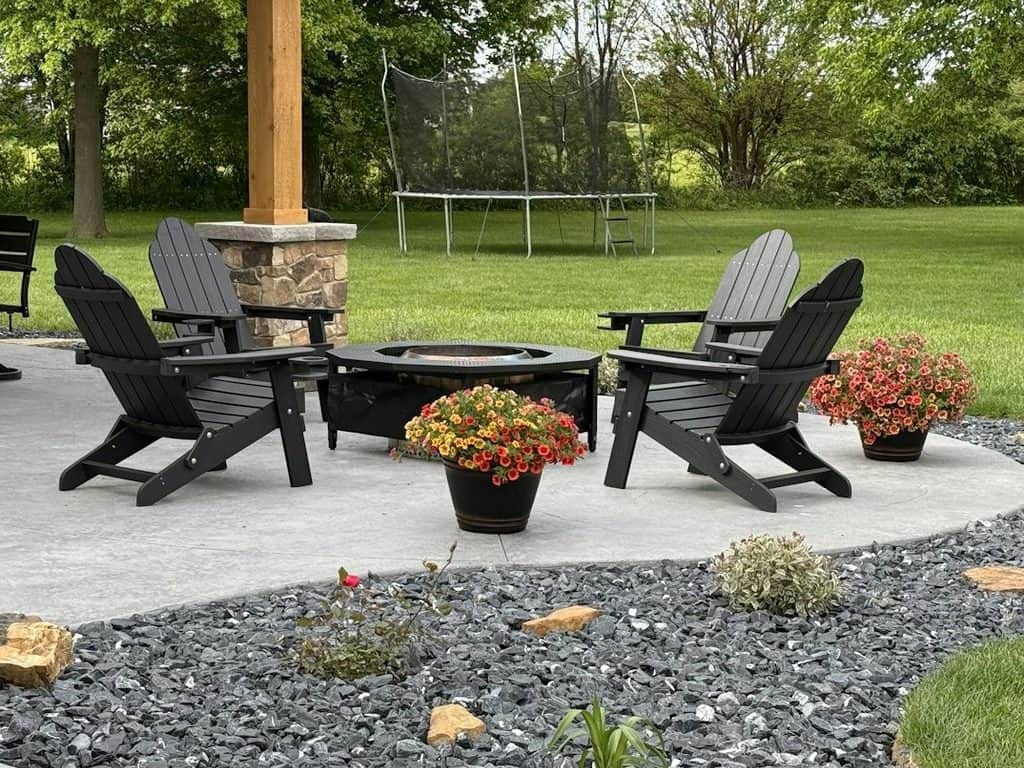
Unsealed dirt tracks, rotting timber borders, and loose stone pathways give burrowing pests an effortless entry route into your yard. Ants, rodents, and destructive insects exploit loose soil matrices to dig extensive underground networks underneath your living areas. Replacing unsealed ground cover with interlocking pavers creates a durable physical barrier against subterranean activity.
Industry data from Grand View Research indicates that growing concerns over severe property damage caused by burrowing rodents and termites drive property owners to invest heavily in preventive physical pest barriers. Polymeric sand installed between tight paver joints hardens into an impenetrable mortar-like bond.
This hardened jointing compound prevents insects from excavating sand layers or building mound structures through the cracks. The weight and depth of crushed stone sub-bases further compress the underlying earth, making subterranean tunneling nearly impossible for larger pests.
Multi-Layer Hardscape Defense Framework
Sub-Base Compaction
Excavating soft topsoil and laying 4 to 6 inches of crushed dense-grade aggregate creates a compacted, dry base layer that discourages burrowing creatures from nesting beneath your patio.
Geotextile Fabric Installation
Laying industrial-grade weed and pest barrier fabric beneath the stone base stops root penetration while blocking underground insects from rising upward into the hardscape joints.
Edge Restraint Anchoring
Securing heavy PVC or aluminum edging along the outer perimeter keeps the paver field tight, stopping shifting soils from opening wide gaps where pests might enter.
Why Does Professional Hardscape Perimeter Sealing Protect Your Investment?
Leaving small gaps along patio edges, retaining walls, or house foundations allows moisture and pests to creep beneath your outdoor structures. Over time, unseen water intrusion erodes supporting soil layers, causing pavers to shift and create larger entry cavities. Sealing every perimeter joint forms a continuous shield against both water damage and pest infiltration.
Professional contractors apply specialized elastomeric sealants along expansion joints where hardscapes meet home foundations. These flexible compounds accommodate normal temperature expansion without cracking open. Keeping these critical junctions tight prevents subterranean termites from reaching exposed house framing or wooden deck posts.
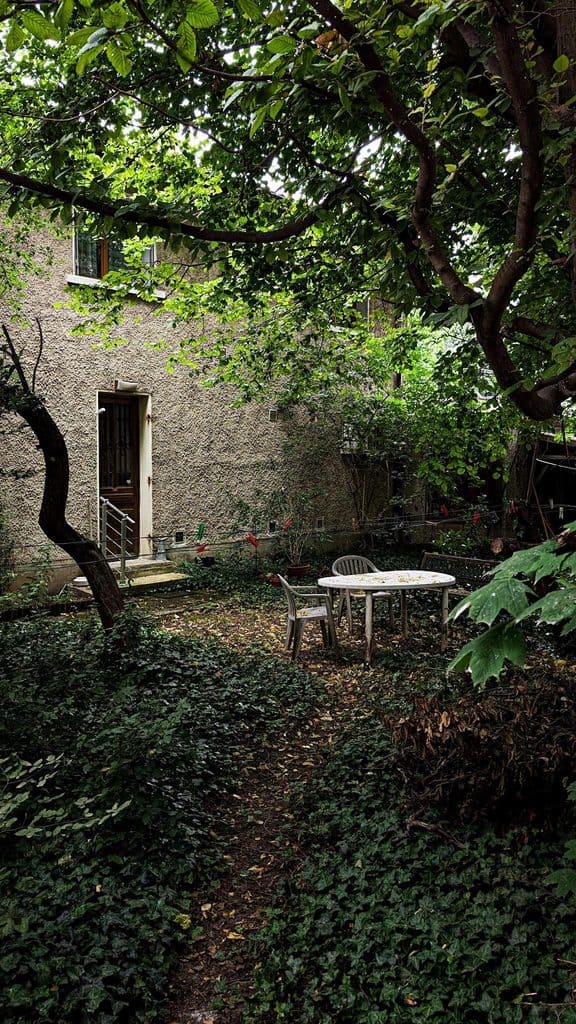
Designing a backyard around smart structural principles offers a long-term solution to unwanted yard pests. Engineered drainage channels remove standing water, non-porous composite pools reduce organic buildup, and sealed stone paver borders block subterranean nesting paths. Investing in factory-sealed materials and professional installation protects your outdoor living space, giving you a clean, low-maintenance environment to enjoy year-round.