
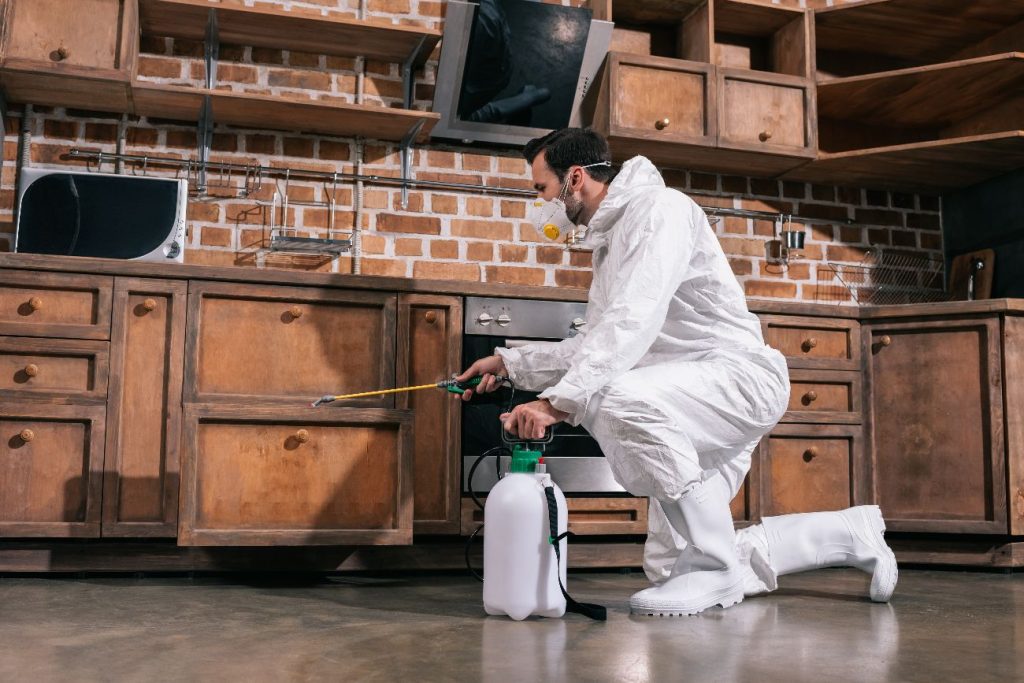
Unwanted pests find ways into homes through tiny cracks and forgotten structural gaps. Simple routine sealing keeps bugs outside where they belong without requiring harsh chemicals. Taking time to inspect exterior walls prevents frustrating indoor invasions.
Taking action before bugs invade saves time and money. A systematic walk around your property highlights vulnerable points needing quick updates. Fixing small entry points early stops major pest infestations from developing.
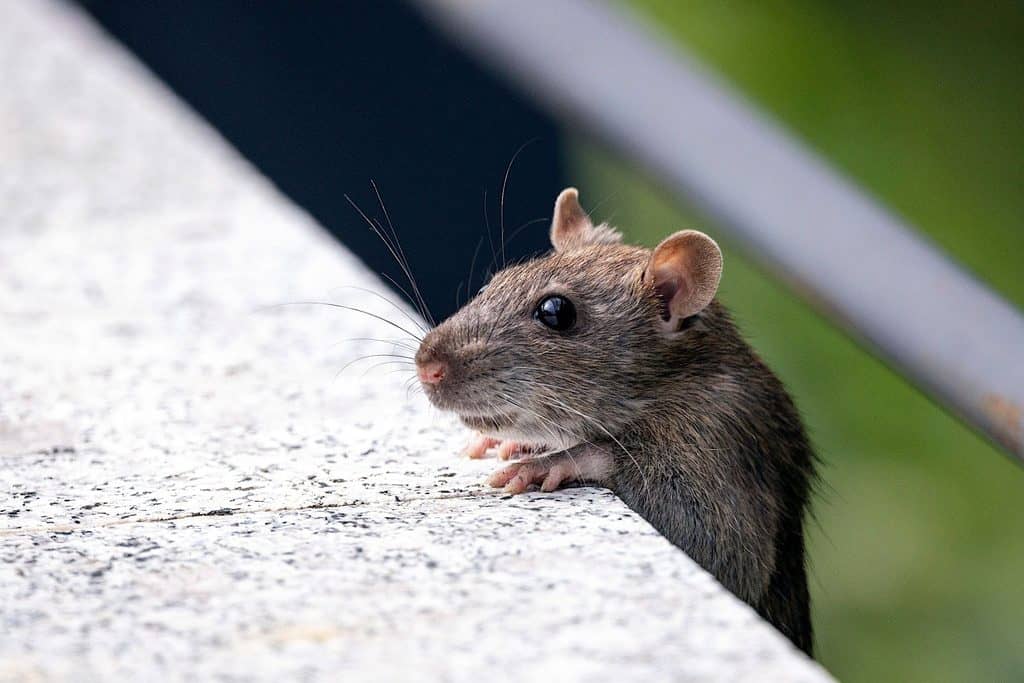
Inspecting Windows and Door Frames
Drafty entryways signal clear openings for creeping bugs seeking shelter. Small fractures near glass panels or frames allow pests easy passage during seasonal changes, much like how timely automotive glass repairs and windscreen replacements protect vehicles against structural wear. Maintaining tight fits stops pests dead in their tracks.
Look closely at every window frame for missing caulk or damaged seals. Cold drafts are typically indicative of open gaps where small insects crawl inside during cooler months. Taking time to inspect each casing prevents structural decay from hidden dampness. Clear silicone sealant works well for filling smaller gaps along glass edges.
Check the bottoms of exterior doors for visible daylight under the sweeps. Replacing worn rubber sweeps keeps creeping critters from sliding inside overnight. Solid door threshold sealing prevents outdoor moisture from seeping into entryways. Adding heavy-duty sweeps creates an extra line of defense against crawl space insects.
Sealing Exterior Walls and Foundations
Tiny foundation cracks give insects direct access to dark basement spaces. Studies show that sealing tiny gaps under a quarter-inch reduces interior pest encounters up to 80 percent. High-quality masonry sealant fills concrete hairline splits efficiently. Repairing foundation cracks keeps basement spaces dry and secure.
Applying caulk along exterior siding seams blocks entry before bugs penetrate inner walls. Federal environmental experts highlight exclusion tactics like caulking as the main defense strategy. Routine perimeter checks stop infestations early before pests establish nests. Inspecting siding quarterly ensures seals remain intact.
Look for gaps where outdoor cables or water lines pierce foundation walls. Filling deep voids with expanding foam creates an airtight barrier against invaders. Proper application prevents pests from carving hidden pathways inside wall cavities. Trimming excess foam flush with siding provides a clean finish.
Protecting Vents and Chimneys
Unprotected attic vents create open highways for flying insects and climbing rodents. Installing durable fine mesh covers over roof vents keeps pests outside interior wall spaces. Sturdy wire mesh prevents animals from chewing through vent covers.
Securing vulnerable entry points requires targeted hardware cloth installations across exterior openings:
- Dryer exhausts and wall vents
- Open chimney flues and caps
- Foundation crawl space openings
Regular checks keep screens clear of leaves and debris. Clean wire mesh maintains proper airflow and keeps home interiors safe. Inspecting mesh screens after heavy storms prevents unexpected damage to home barriers. Prompt screen replacement keeps rodents from finding entry points.
Maintenance of Weather Stripping
Weather stripping degrades after exposure to sun, rain, and temperature fluctuations. Leading home improvement guides suggest replacing worn weather stripping and silicone seals to block common bug routes. Fresh seals maintain strong resistance against tiny crawlers trying to slip inside. Updating old seals keeps pests out and conserves home energy.
Flexible rubber strips form tight barriers along moving window sashes. Worn felt strips leave open spaces where ants march through easily. Choosing high-grade materials extends the lifespan of your repairs and helps keep rooms comfortable. Proper installation prevents windows from sticking during humid weather.
Replacing cracked rubber stripping takes minimal effort using basic hand tools. New stripping lowers winter heating costs by stopping drafty air leaks. Homeowners notice immediate improvements in indoor comfort after updating old seals. Clean surfaces carefully before applying fresh adhesive backing.
Annual Property Inspections
Home maintenance experts recommend annual checks of windows, door frames, and foundation cracks to prevent pest intrusion. Catching small gaps early prevents large structural repairs later down the road. Regular inspections protect property conditions for years to come.
Spring and autumn represent ideal seasons for complete property reviews. Seasonal weather changes cause building materials to shift, creating brand new gaps. Developing a yearly checklist keeps maintenance tasks organized throughout each season. Sharing maintenance duties makes home care easier for families.
Walk around the perimeter with a bright flashlight during evening hours. Interior light shining through exterior cracks highlights hidden openings immediately. Marking problematic spots with painter’s tape ensures quick repairs during daylight hours. Detailed inspection notes help track potential problem areas year after year.
Taking simple steps to seal structural gaps builds a strong defense for your home. Consistent efforts keep your living space safe and comfortable year-round.
Start with high-priority areas like windows and doors today. Small improvements create lasting protection against unwanted pests.