A secure home needs a solid defense from top to bottom. Homeowners think immediately of locking doors and shutting windows to secure their property, yet they often forget about the highest areas of the structure. Wild animals look for shelter in quiet, hidden spaces, and the upper edges of a house provide an ideal spot for wildlife to nest. Protecting these upper areas keeps unwanted critters outside where they belong.
The Vulnerability Of Your Roof Line
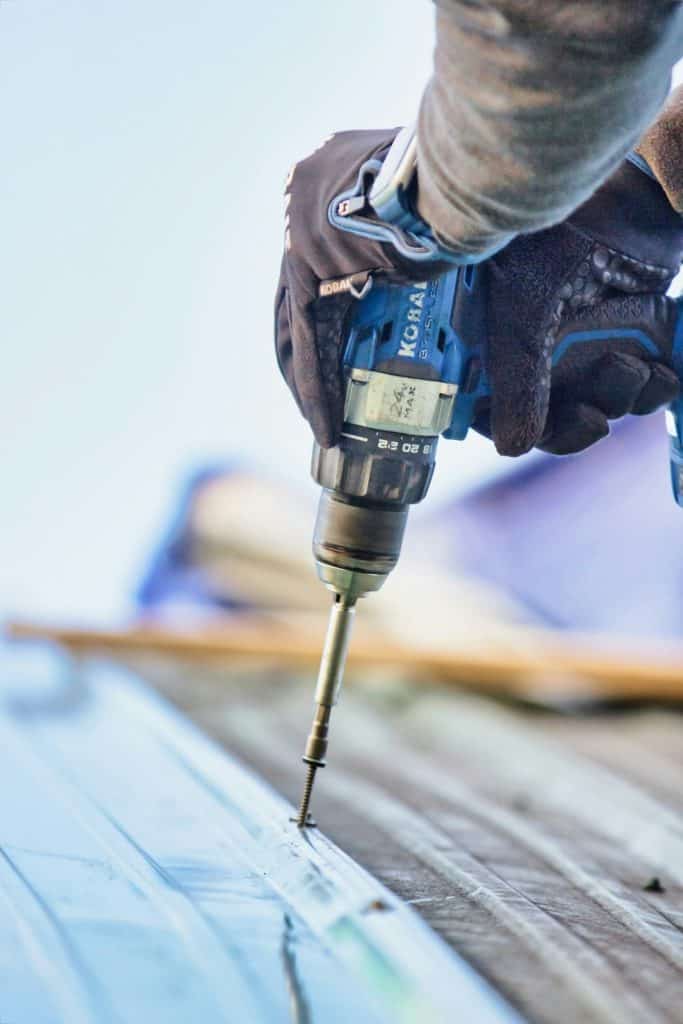
Roof lines contain multiple joints and gaps where different building materials meet. Hiring skilled roofing specialists helps identify tiny structural gaps before wild animals find them. Wind, rain, and heat weaken these areas over the seasons.
Wooden boards can rot when water trapped in gutters overflows. Rotting wood becomes soft and easy to damage. Squirrels and birds easily chew through weakened wood to create large holes. Small openings quickly turn into major structural issues, a problem every owner wants to avoid.
How Small Animals Gain Entry
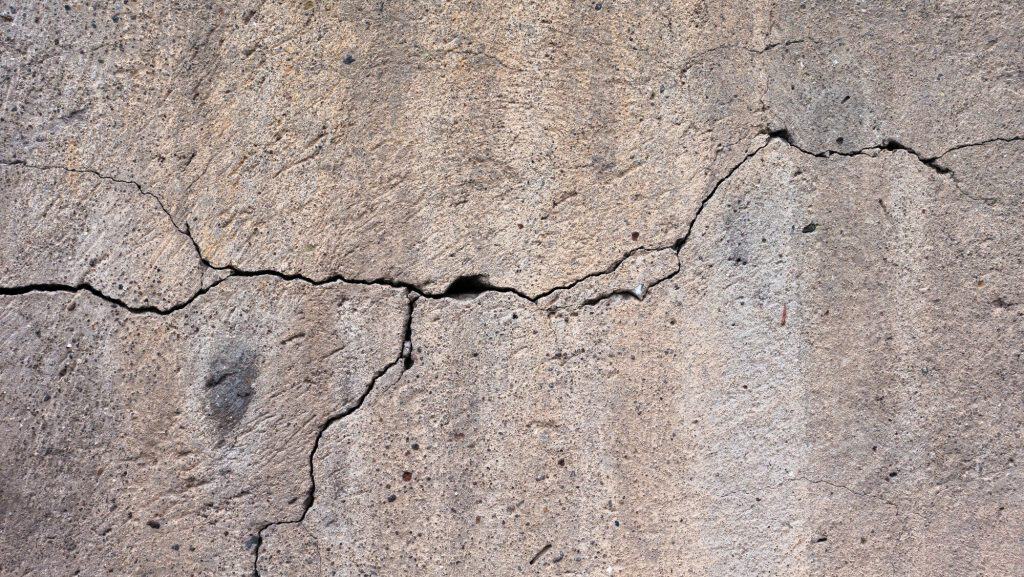
Mice and rats possess incredible flexibility when searching for a way inside. A mouse can squeeze through a gap the size of a dime. Tiny cracks in the fascia board present a massive opportunity for small pests.
Insects require even less space to invade the attic. Ants and wasps enter through spaces that are barely visible to the naked eye. Once a few insects establish a path, others follow the scent trails into the dark utility spaces.
Raccoons and squirrels use their strong paws to tear open small holes. They exploit existing weak spots until the gap becomes large enough for their heavy bodies. Routine maintenance stops these creatures from expanding minor structural flaws.
Cold Weather Shifts Animal Behavior
Seasonal changes alter how local wildlife interacts with residential structures. Dropping temperatures drive rodents and insects to seek warm shelters. A heated attic is an attractive destination for these outdoor creatures during the cold months.
Animals easily detect heat escaping from small cracks along the roof line. They follow the warm air currents directly to the source. Just a single unsealed seam can be an open invitation for an entire pest colony.
Nesting activities pick up speed during the autumn months. Creatures gather insulation material to build comfortable spaces for the winter. Such behavior can damage electrical wiring and ruin expensive building materials.
Common Spots For Roof Line Gaps
Soffits and fascia boards represent the primary defense zones against wildlife. Builders install these components to seal the outer edges of the roof structure. Gaps frequently form where the boards meet the siding of the house.
Roof valleys create another common trouble spot for property owners. Heavy water flows down these intersections and can cause wood rot if shingles shift. Damaged areas invite birds to peck through the soft, damp surfaces.
Chimney flashings and attic vents require close attention during home upkeep. Metal screens over vents can lose their shape as years pass. Small gaps around the chimney base allow bats to slip inside without resistance.
Materials For Long-Term Protection
Choosing the right materials determines the success of an exclusion project. Standard sealants might not withstand the teeth of determined rodents. Homeowners should select durable options designed for outdoor conditions.
- Steel mesh provides a physical barrier that rodents cannot chew through easily
- Heavy-duty flashing reinforces weak joints around chimneys and valleys
- Polyurethane sealant fills small cracks and resists severe weather damage
- Copper stuffing stops mice from squeezing into tight gaps around pipes
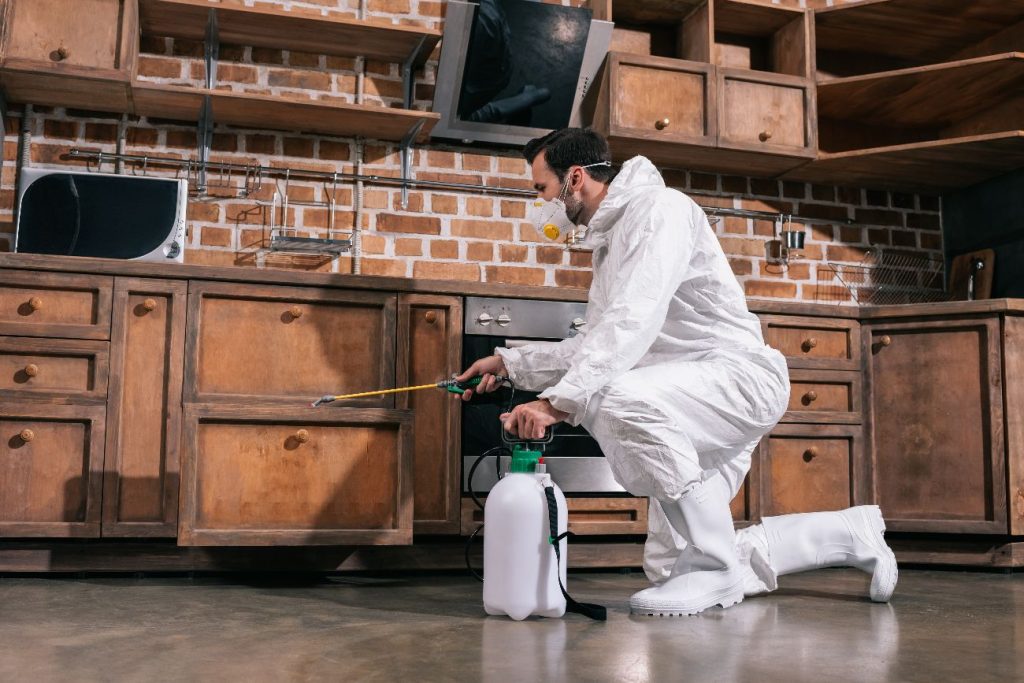
Combining these materials creates a multi-layered defense system. Pests encounter multiple obstacles when trying to enter the structure. The investment in quality products saves thousands of dollars on future extermination fees.
Signs Of A Pest Infestation
Homeowners must recognize the warnings of an animal intrusion early. Strange noises in the ceiling during the late evening often signal trouble. Scratching or scurrying sounds indicate that rodents have breached the exterior perimeter.
Visual clues provide further evidence of an active pest infestation. Droppings near the eaves or attic access doors confirm the presence of unwanted guests. Dark stains on the drywall can mean liquid or animal waste is leaking through.
Chewed insulation represents another clear sign of wildlife activity in the attic. Animals shred fiberglass material to create soft nests for their offspring. Finding these signs means it is time to inspect the outer perimeter.
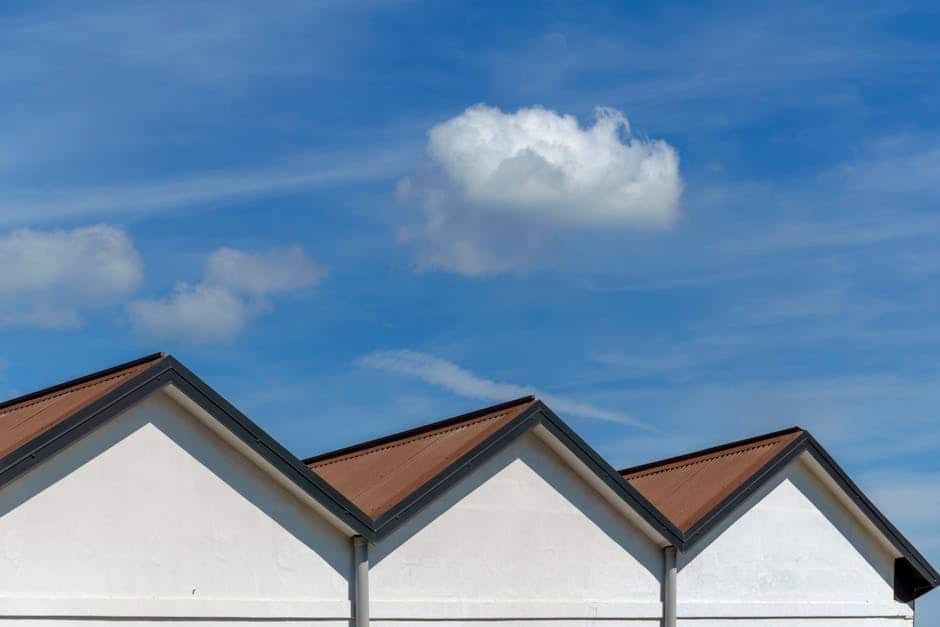
Maintaining a sealed roof line is a continuous process that protects the entire household from external elements. Taking proactive steps prevents expensive structural damage and keeps wild creatures outside. A secure perimeter provides the needed peace for everyone living inside the property.
Consistent effort supports long-term comfort and safety for the household. Reviewing the top sections of a house keeps the home sound for decades.