Wild animals often seek shelter inside warm residential spaces during cold winter months when outdoor conditions worsen. Rooflines provide convenient entry points for small creatures to find cozy nesting areas near insulation.
Small holes can quickly become major highways for unwanted critters searching for food and shelter. Catching structural problems early saves substantial money on residential restoration and cleanups.
Vulnerable Spots On Your Roofline
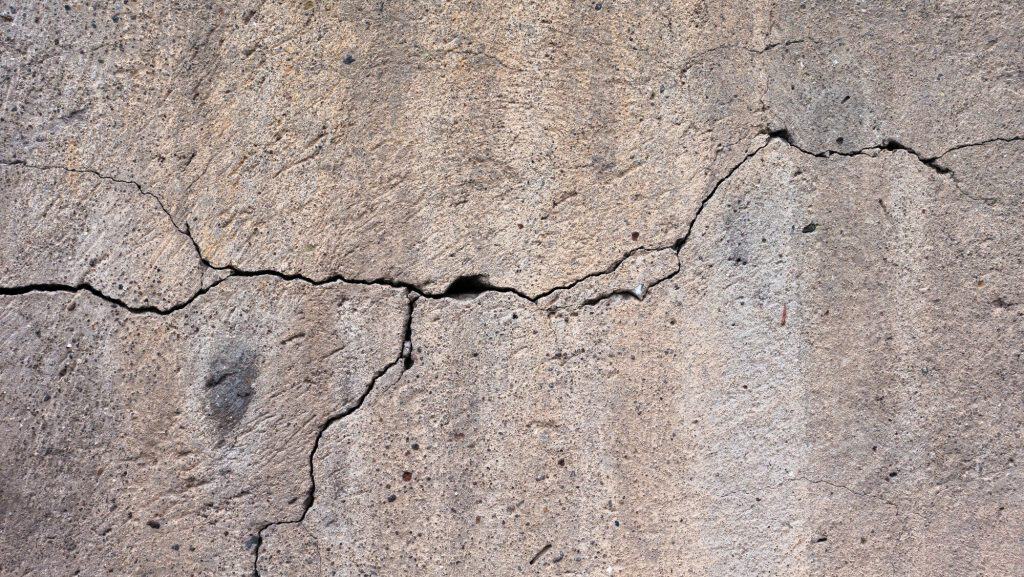
Eaves and fascia boards frequently develop small gaps due to seasonal weather changes. Standard wear opens up tiny pathways that mice can exploit with incredible ease to enter houses. Regular visual inspections reveal minor shifts in your external wooden trim before any bugs find them.
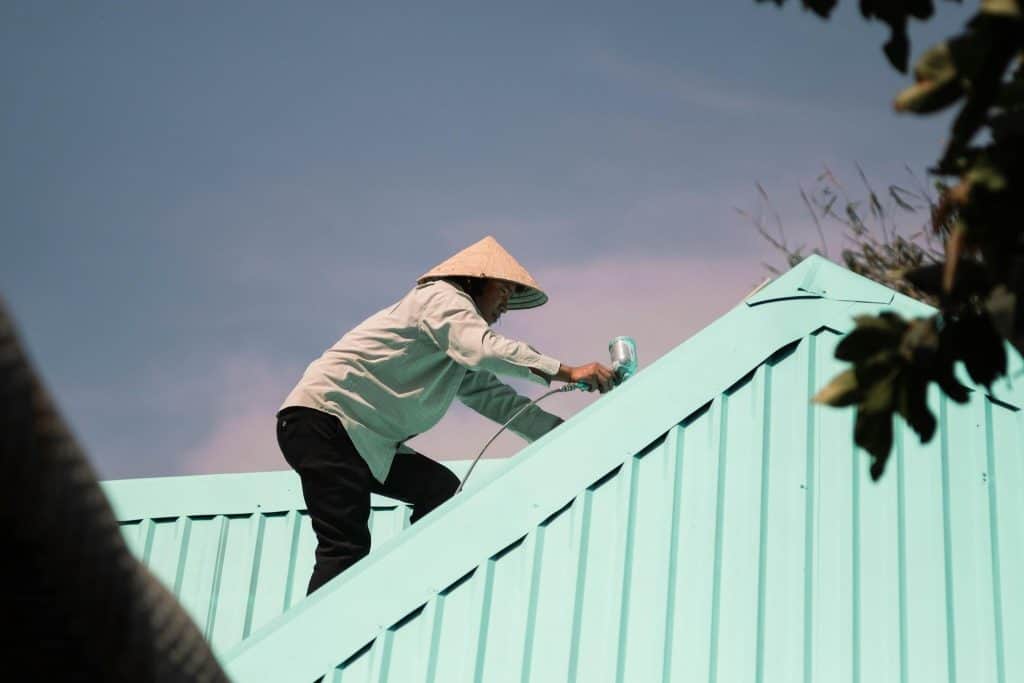
Homeowners often overlook tiny gaps near the upper roof edge during routine yard cleanup and maintenance. Hiring a professional roofing contractor serving Great Falls helps identify hidden vulnerabilities before animals move in. Small critters need only a fraction of an inch to force their way inside your building.
Harsh winter weather makes exposed wooden structures weaken significantly faster each year without proper care. Water rot softens shingles and creates simple entry points for larger pests like raccoons or squirrels.
Common Animals Seeking Shelter
Mice and rats love quiet spaces near the top levels of a comfortable family home. Rodents chew through electrical wires and ceiling insulation throughout the entire calendar year without stopping. Their secret presence creates significant health hazards for everyone living inside the house due to the increased contamination.
Squirrels and raccoons possess incredibly strong claws and sharp teeth for chewing heavy building wood. They easily rip through weakened soffit panels to build comfortable nests for raising their young safely. Heavy pests cause severe structural damage within a few days of arrival if left unmanaged.
Some flying creatures prefer high perches completely away from human daily activity and noisy living rooms. An online home improvement guide notes that attic and chimney screens stop birds and bats from creating massive messes.
Materials For Effective Exclusion
Standard wood caulk completely fails against determined rodents looking for a warm space to sleep. Stronger construction options like steel mesh provide a durable barrier against sharp teeth and claws. Pests cannot chew through tough metal cloth once you fasten it tightly to your eaves.
Sealing roof gaps works best when you actively manage the surrounding residential yard and landscaping. A pest industry journal reports that removing entry points combined with clearing nearby branches stops bugs from multiplying. Trimming tall trees prevents pests from jumping directly onto your shingles from high branches.
Polyurethane sealants block heavy wind gusts and stop tiny insects from crawling inside through tiny cracks. Combining expandable foam with metal mesh creates a double layer of home security against intruders.
Inspecting Roof Vents And Chimneys
Roof vents provide excellent air circulation throughout the entire attic structure during hot summer days. Openings attract wild animals seeking rising heat during freezing winter nights. Unprotected vents act exactly like open doors for neighborhood wildlife searching for a dry shelter.
Inspectors suggest tracking 3 primary zones on your roof during your annual maintenance check:
- Ridge vents along the top peak
- Gable vents on side walls
- Plumbing stacks piercing the shingles
Damaged brick caps leave open chimneys vulnerable to larger woodland creatures looking for dark hollows. Raccoons frequently climb down dark shafts to give birth during the early spring season.
The Impact Of Attic Insulation
Wild animals quickly ruin your insulation with waste and destructive nesting habits within a week. Soiled fiberglass materials lose their ability to trap heat properly inside the rooms located directly below.
Different insulation types require distinct protection methods to keep them functional and clean. A home repair magazine explains that cellulose insulation comes as loose fill or can be sprayed directly into wall cavities.
Replacing heavily soiled insulation requires specialized professional cleanup services to protect your family’s health. Animal waste carries dangerous bacteria that pollute your indoor air supply and create bad odors.
Long-Term Maintenance Plans
Checking your roof 2 times every year prevents major emergency repair bills down the road. Early detection stops minor animal chewing from becoming a full seasonal infestation of multiple critters. Regular updates keep your protective barriers strong against clever woodland pests trying to enter.
Severe storms can easily tear away protective metal screens from your eaves and soffit boards. High winds loosen metal flashing near your chimney and create instant access gaps for rainwater. Inspecting your property after heavy weather keeps the residential perimeter completely sealed against all elements.
Clean gutters prevent standing rainwater from rotting your main roof support wood over several months. Softwood invites destructive insects like carpenter ants to establish large colonies inside the framing.
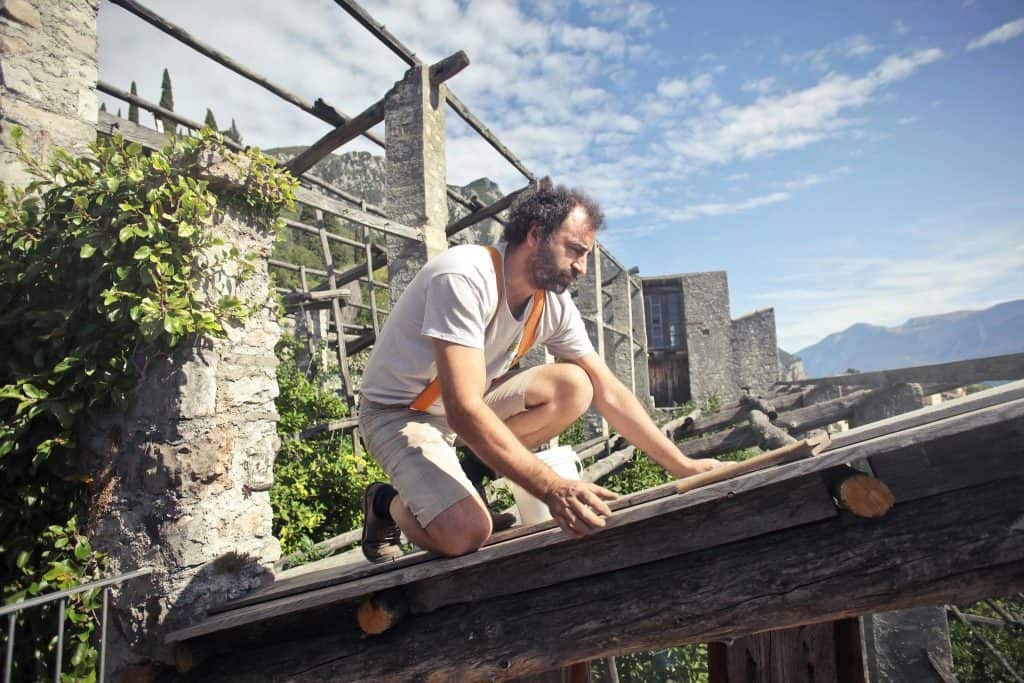
Securing your upper roofline remains the finest way to protect your property value. Regular checks prevent wildlife from finding easy nesting zones in your house before winter arrives. Small repairs completed today stop massive structural headaches from developing later during the year.
Investing in durable exclusion materials keeps your family’s living spaces quiet and peaceful, always. Shielding your home from invaders preserves its value for many years to come. Take swift action now to keep wild animals outside where they safely belong.