

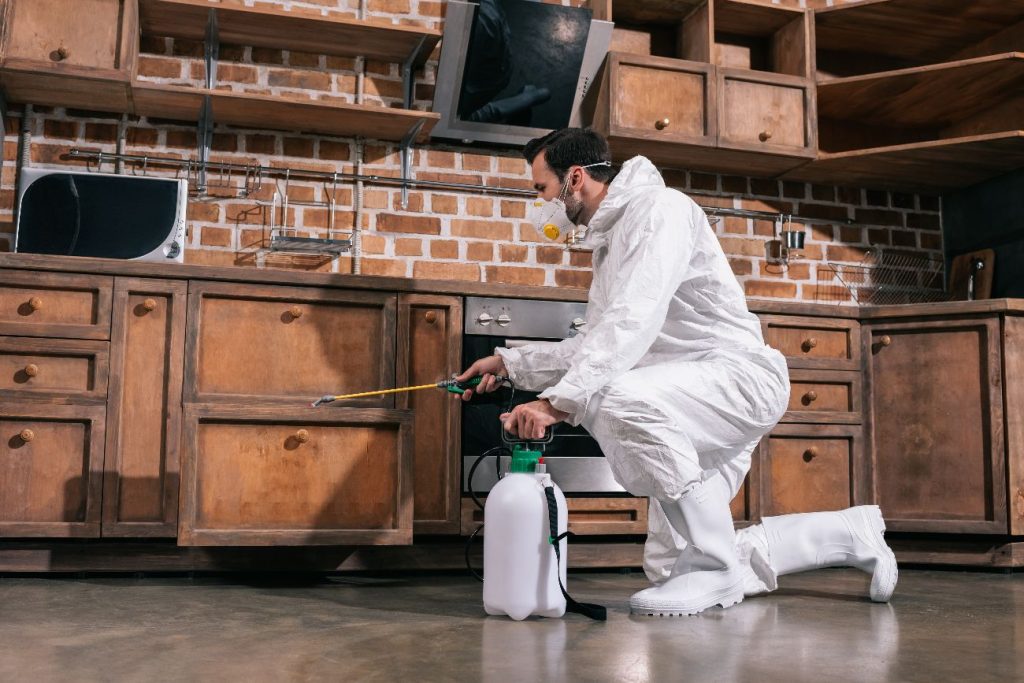
Pests can spread quickly in places where people share walls, hallways, laundry rooms, kitchens, trash areas, or storage rooms. A few small clues, such as droppings near a baseboard or stains on bedding, can mean the problem has already moved beyond one room. In shared spaces, spotting these signs early can help prevent a small issue from becoming a larger concern for cleanliness, comfort, and health.
Why Pests Spread Quickly In Shared Spaces
Shared spaces give pests plenty of ways to move around quietly. A gap under a door, an opening around a pipe, or a gap in a shared wall can allow insects or rodents to travel unnoticed from one area to another.
Food and moisture can make the situation worse. Crumbs in a common kitchen, overflowing trash, damp bathroom corners, or piles of laundry can give pests what they need to stay active. Once they find a steady source of food or water, they’re more likely to settle in.
The hard part is that no one person controls every area. A clean room can still be affected by a nearby trash area, a leaking pipe, or clutter in a shared storage closet. Regular upkeep and early reporting can prevent a small problem from spreading to connected spaces.
Common Pest Warning Signs To Notice
Small pest clues are easy to miss in busy shared areas. A few droppings near a wall, a stain on a sheet, or a faint scratching sound behind a surface may not seem urgent at first. Still, these details can point to activity that needs attention.
In sleeping areas, dark spots on sheets, small bloodstains, shed skins, or unexplained bites may be bed bug warning signs, especially when people use shared furniture, laundry rooms, or nearby living areas.
Kitchens and trash areas often show different signs. Roaches may appear near drains, ants may follow crumbs or spills, and rodents can leave gnaw marks on packaging or droppings inside cabinets. In hallways or storage rooms, shredded paper, nesting material, and scratching noises can also point to rodent activity. The earlier these signs are noticed, the easier it is to contain the problem.
Where To Check First
Start in places where pests can find food, moisture, warmth, or cover. In shared kitchens, check under sinks, behind appliances, inside lower cabinets, and around trash bins. A small leak or a few crumbs near an appliance can be enough to keep pests coming back.
Laundry rooms and bathrooms deserve close attention because damp areas can hide early activity. Look near drains, baseboards, pipe openings, storage shelves, and corners where lint, moisture, or clutter can collect.
Sleeping areas should also be checked carefully, especially in shared housing or care settings. Mattresses, bed frames, upholstered chairs, curtains, and nearby outlets can hide signs that are easy to overlook during routine cleaning.
When Pests Affect Older Or Vulnerable Residents
Shared spaces can create different concerns depending on the climate, building type, and level of upkeep. In Wisconsin, long winters can make indoor pest activity more noticeable because buildings stay closed up and residents spend more time inside. In Florida, warmer weather can keep pest pressure high for much of the year, making repeated sightings seem routine. In densely populated parts of California, pests may move through shared walls, laundry rooms, storage areas, trash rooms, and care settings before one resident, household, or staff member realizes the issue is spreading.
Illinois adds another layer because older buildings, dense housing, seasonal pest pressure, and care needs can overlap in the same environment. In that situation, photos, dates, maintenance requests, complaint records, bedding conditions, sanitation notes, and repeated pest sightings can give relatives, building staff, inspectors, and firms such as Rosenfeld Injury Lawyers a clearer timeline. When those records point to a broader pattern of unsafe conditions, a nursing home injury attorney serving Chicago families may help connect visible conditions with repeated concerns and the questions that may need closer attention. That kind of documentation provides a clearer record of the concern without treating every pest sighting as a legal issue.
Safe Ways To Respond Before The Problem Spreads
Once pest signs appear, the first step is to remove the conditions that allow pests to remain active. Clean food residue, close trash bags tightly, report leaks, seal small gaps when possible, and avoid leaving laundry or clutter in common areas.
Shared spaces are easier to protect when residents report pest activity early and reduce access to food, water, shelter, and entry points. The EPA’s guidance on multi-family housing pest control supports this practical approach before a problem becomes harder to manage.
Keep notes if pest activity keeps returning. Dates, locations, photos, and reports to building staff can help show whether the issue is improving or spreading. Clear records also make it easier for pest-control professionals to understand where activity started and which areas need attention.
Conclusion
Pest warning signs in shared spaces are easier to manage when they’re caught early and handled consistently. Droppings, stains, odors, gnaw marks, bites, or repeated sightings can point to conditions that need attention before the problem spreads. With clear reporting, steady cleaning habits, and timely follow-up, shared spaces can stay cleaner, safer, and more comfortable for everyone who uses them.