
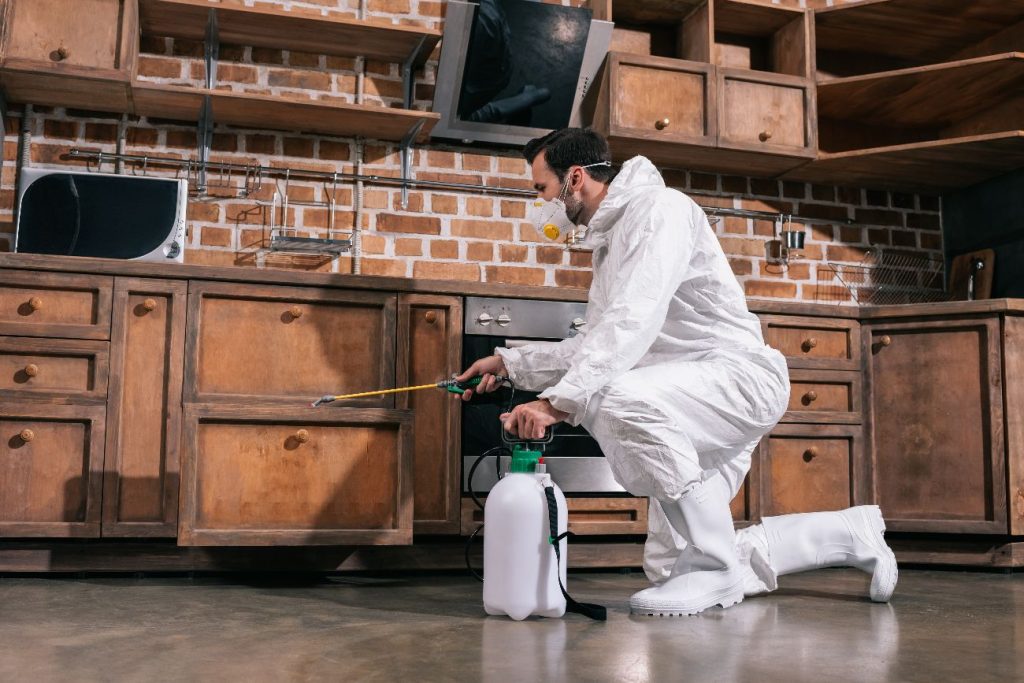
Lone worker safety for pest control field technicians depends on preparing for the specific risks of the job, including bites and stings, chemical exposure, and working alone in crawlspaces, attics, and rural properties without immediate backup. Field technicians spend much of their day away from coworkers and sometimes out of cell range, which means the minutes before help arrives are often managed entirely by the technician alone. Basic first aid and CPR training is one of the more practical tools available to close that gap.
Key Takeaways
- Pest control technicians face a distinct risk profile: insect and animal bites, chemical and pesticide exposure, confined spaces, and rural properties with limited cell coverage.
- Working alone means a technician is often the only person available to manage the first minutes of a bite, sting, fall, or exposure reaction.
- Technicians in the Edmonton area can find First Aid training scheduled around field service hours rather than a standard office workweek. So complete your first aid certification with Coast2Coast in Edmonton any day of the week.
- Basic/Emergency First Aid is often sufficient for mobile technicians, though employers should confirm the right level based on site risk and provincial requirements.
- Recognizing early signs of an allergic reaction or chemical exposure and knowing the correct immediate response can matter more in the field than in a controlled workplace.
What Makes Pest Control Field Work a Distinct Safety Risk?
Pest control field work is a distinct safety risk because technicians routinely enter crawlspaces, attics, sheds, and rural outbuildings where footing, ventilation, and lighting are all worse than a typical worksite. Add exposure to stinging insects, rodents, and the pesticides and chemicals used for treatment, and the risk profile looks different from most office or even many industrial jobs. Technicians are also frequently working solo, driving between properties rather than staying at one site with a crew. This combination, physical hazard plus isolation, is exactly the scenario where basic emergency response training has the most practical value.
How Should a Technician Respond to Bites, Stings, or a Possible Allergic Reaction?
A technician should first recognize the early signs of a serious allergic reaction, such as swelling beyond the sting site, difficulty breathing, or dizziness, and treat these as urgent even if the technician is alone in a remote location. Basic first aid training covers recognizing anaphylaxis symptoms and knowing the immediate steps to take while arranging for further medical help, which is especially relevant for technicians who routinely disturb wasp nests, spider habitats, or rodent burrows. Because reactions can escalate quickly and technicians are often working without another person nearby, knowing the sequence of response before it is needed matters more than in a typical office setting. This is one of the more field-relevant components of a first aid course for this industry.
What Should a Technician Know About Chemical Exposure Response?
A technician should know the basic first response steps for chemical or pesticide exposure, including skin and eye contact scenarios, even though specific product handling procedures are typically covered separately through workplace chemical safety training rather than a general first aid course. General first aid training reinforces the broader response framework, recognizing symptoms, managing the immediate situation, and knowing when and how to seek further medical assistance, which complements product-specific safety data sheet training. Technicians working in rural or remote areas should also factor in longer expected response times from emergency services when deciding how they document and report an exposure incident on-site.
How Does Working Alone in Crawlspaces or Rural Properties Change Emergency Response?
Working alone in crawlspaces or rural properties changes emergency response because a technician cannot rely on a coworker to call for help, retrieve equipment, or assist immediately if something goes wrong. This makes basic self-rescue awareness and knowing how to communicate a location clearly, particularly on rural properties without a formal address, a practical part of field safety planning. Some technicians also carry a basic first aid kit suited to bites, stings, and minor injuries, since prompt initial care can matter more when a paramedic response is delayed by distance. Employers should factor this isolation into which certification level they require and how often refreshers are scheduled.
What Level of First Aid Certification Fits Mobile Pest Control Technicians?
Basic/Emergency First Aid is often an appropriate baseline for mobile pest control technicians, covering core response skills including CPR, AED use, and bite or sting management within a shorter course format that fits around field schedules. Employers with technicians who regularly work in higher-risk or more remote settings may consider Intermediate/Standard First Aid for broader coverage. Coast2Coast First Aid training offers both levels along with on-site group sessions, which can work well for pest control companies looking to certify an entire technician roster without pulling everyone off the schedule at once. Certificates are generally valid for three years, with an annual CPR and AED refresher commonly recommended given how physically demanding and unpredictable field conditions can be.

FAQs
Does a standard first aid course cover pesticide exposure specifically? General first aid courses cover recognizing symptoms and immediate response steps, but product-specific pesticide handling and exposure protocols are typically covered through separate workplace chemical safety training required by the employer.
How often should field technicians renew their first aid certification? Most first aid certificates are valid for three years, though an annual CPR and AED refresher is commonly recommended for technicians working in higher-risk or remote field conditions.
Is Basic/Emergency First Aid enough for a solo pest control technician? It is often sufficient for many field roles, but the right level depends on the specific hazards of the job, including remoteness and site risk. Employers should confirm requirements with their provincial OHS regulator.