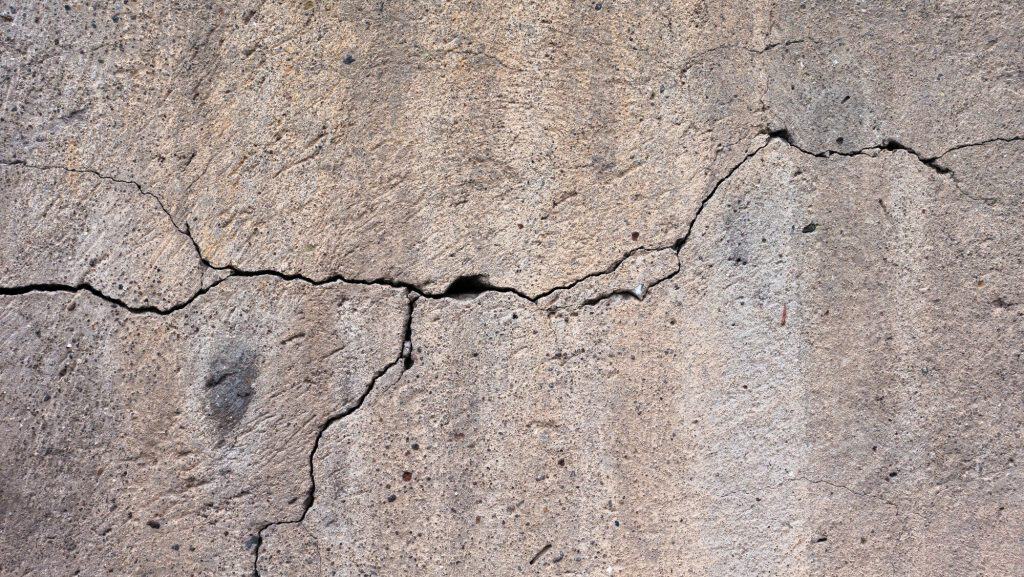
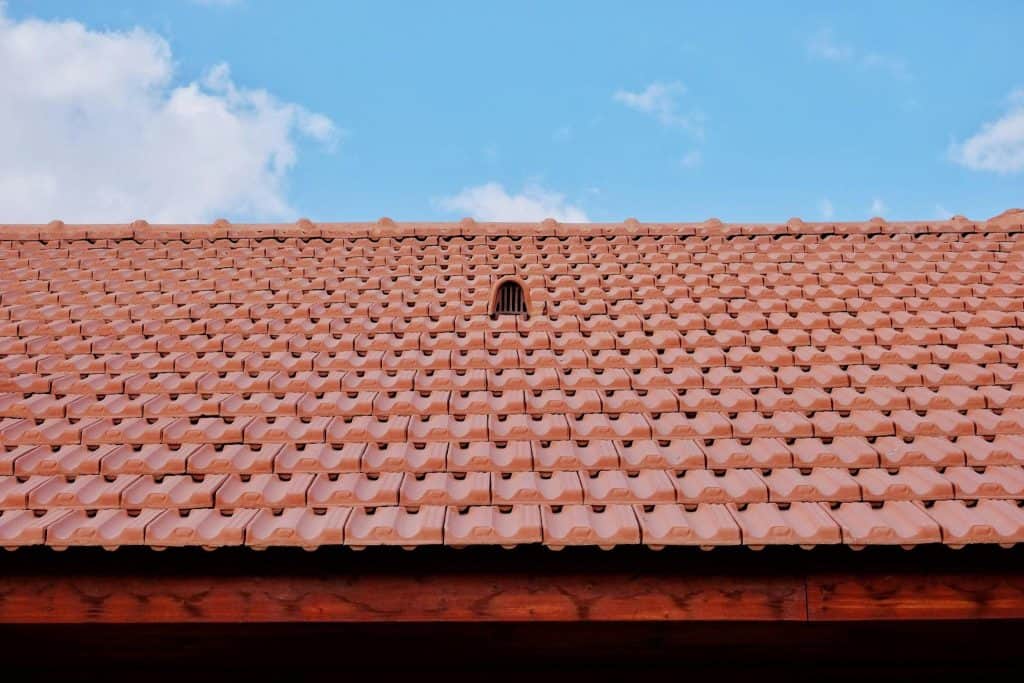
A secure home starts at the very top, but homeowners often overlook the highest points of their property when thinking about pest control. The line where your roof meets the exterior walls is a primary target for wildlife seeking shelter. Small gaps, softened wood, and unprotected vents offer ideal opportunities for invasion.
Once wild birds or rodents discover these tiny structural flaws, they can quickly turn an insulated attic into a destructive nesting ground. Understanding these hidden entry zones is the first step toward maintaining a secure, pest-free household throughout the changing seasons.
The Hidden Mechanics of the Roof Return
The intersection where a roof slope meets an eave section creates a complex structural junction known as the roof return. This area frequently harbors small structural gaps that escape notice from ground level.
A recent industry report noted that rodents are highly adept at locating these hidden geometric vulnerabilities, with squirrels requiring an opening of only 1.5 inches to force entry. Even smaller pests, like mice, can slip through gaps measuring less than 1 inch.
Property owners must inspect these tucked-away junctions closely to identify separations before wildlife exploits them. Working alongside a trusted roofing contractor allows for a comprehensive overhead evaluation to spot these subtle weaknesses. Forcing durable barriers into these tight angles is a critical defense mechanism. When executing repairs on a roof return, expert guidance emphasizes using heavy-duty sheet metal rather than expandable foam or wood, which pests can easily chew through.
Fascia Boards and the Threat of Moisture Decay
Fascia boards run horizontally along the edge of the roof, supporting the gutters and sealing the ends of the wooden rafters. Because this area bears the brunt of heavy rainfall and cascading roof runoff, it remains highly susceptible to moisture retention.
Data from home maintenance studies indicates that water-damaged wood becomes soft and compromised over time, making it incredibly easy for larger rodents to chew directly through the perimeter board. Once a raccoon or squirrel creates a hole in the fascia, they gain instant access to the interior eaves.
Upgrading to Weatherproof Fascia Materials
Standard wooden boards require constant staining and painting to ward off the elements. If inspection reveals rot or active chewing marks, replacing the compromised sections becomes an immediate priority.
Upgrading the perimeter with pressure-treated lumber provides a sturdier foundation. To maximize security, capping the exposed wooden exterior with a heavy-gauge aluminum wrap completely removes the soft chewing surfaces that pests rely on for entry.
Vulnerabilities within Soffit Panels
Directly beneath the fascia boards sit the soffit panels, which cover the underside of the roof overhang. These panels are essential for drawing cool air into the attic space, keeping the home ventilated, and preventing moisture buildup.
Light vinyl or thin, unanchored aluminum panels are common selections for standard construction. Research shows that these lightweight materials are easily shifted by high winds or manipulated by persistent wildlife. A raccoon possesses the physical strength to rip weak panels completely out of their tracks, opening a massive gateway into the home.
Securing the Underside of Your Eaves
Securing the perimeter means evaluating how tightly the panels fit against the exterior siding. If gaps exist along the track, birds will slide inside to construct nests during the spring breeding season.
Homeowners should consider upgrading to thick, heavy-gauge metal panels that resist warping and scratching. Every single panel must be fastened with screws to ensure the entire perimeter remains rigid and unyielding against animal force.
Attic Vents as Open Infiltration Highways
Attic ventilation systems come in various forms, including ridge vents, gable units, and static exhaust caps. While these openings are mandatory for balancing indoor air pressure, they act as immediate entry pathways if left unprotected.
Field observations confirm that wild birds and bats regularly swoop into uncovered bathroom and attic exhaust flues to establish nests inside the warm ductwork. Furthermore, standard plastic vent caps offer zero resistance against the sharp teeth of climbing rats or squirrels.
- Ridge Vents: These long vents run along the peak of the roofline and require internal filters to stop insects and mice from crawling beneath the shingles.
- Gable Vents: Positioned on the exterior vertical walls of the attic, these large openings need external mesh screens that cannot be torn by claws.
- Exhaust Caps: Kitchen and laundry exhaust terminals on the roof slope require specialized metal flapper valves to block entry while letting air escape.
Implementing Galvanized Steel Mesh
Protecting these vital airflow zones requires the installation of heavy hardware cloth. Industry standards recommend backing up or covering existing plastic vents with 1/4-inch galvanized steel mesh.
This specific material is robust enough to stop the strongest chewing pests while maintaining the necessary air exchange rates for the attic space. The mesh screen must be anchored tightly with exterior-grade screws directly into the structural framing.
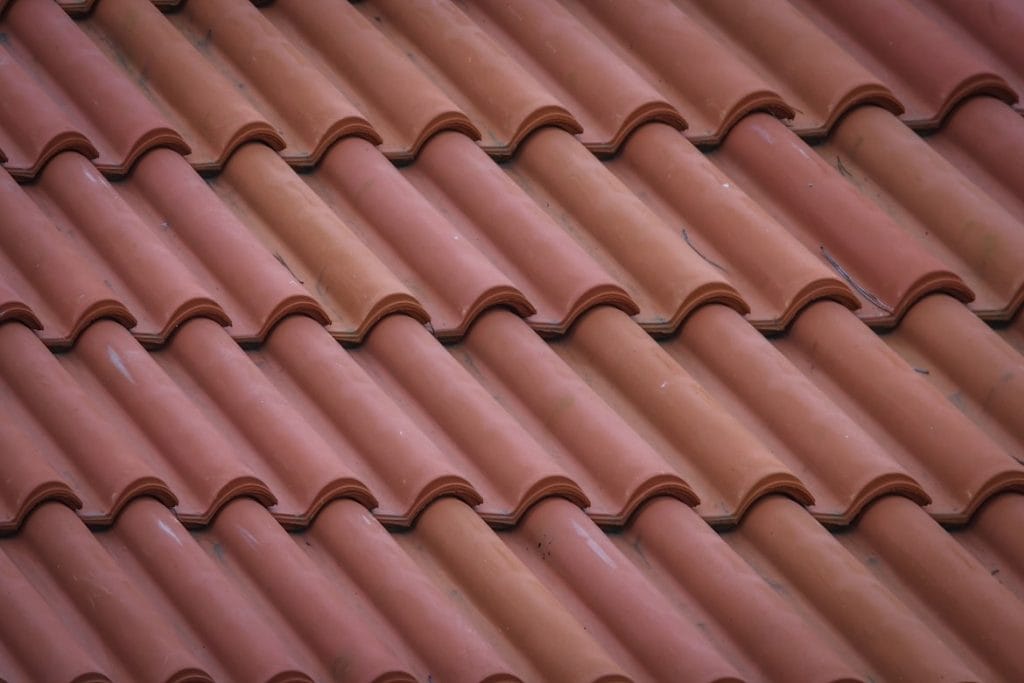
Taking a proactive approach to roofline preservation prevents these severe forms of interior damage before they take root. Homeowners must remain vigilant, inspecting the perimeter eaves and structural returns twice a year to patch minor openings. Fortifying the exterior with galvanized mesh, metal flashing, and sealed soffits creates a lasting defense shield against persistent wildlife. Investing time into maintaining these upper boundaries keeps your attic quiet, efficient, and entirely secure.