
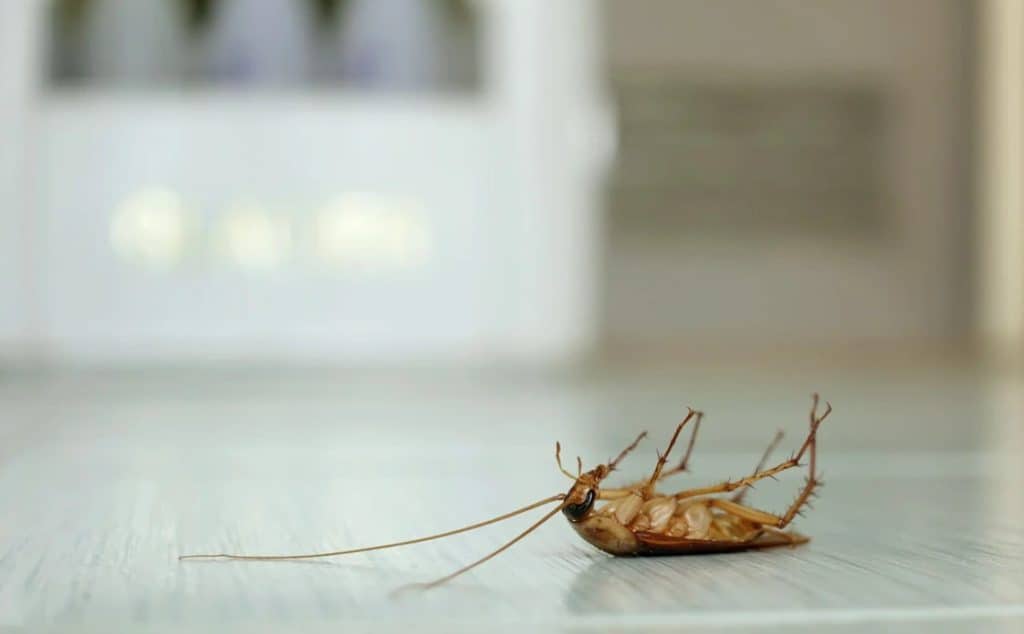
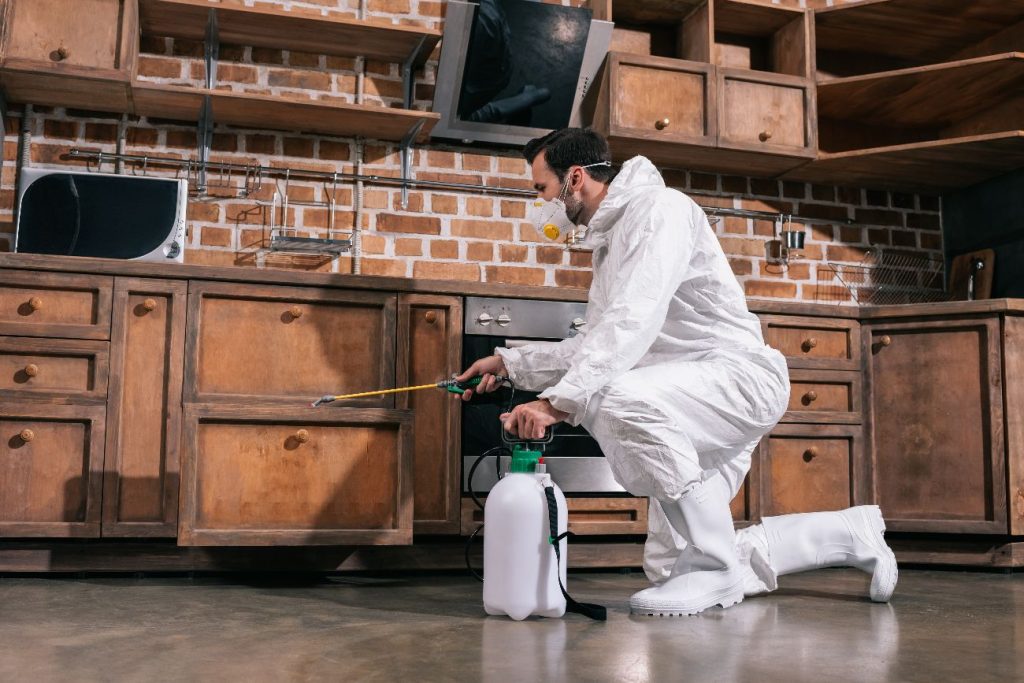
Finding roaches inside a laptop, router, game console, microwave panel, or refrigerator can make any homeowner wonder what to do next.
The wrong move can damage the device, scatter the insects deeper, or create a pesticide hazard around electrical components.
Most homes now depend on connected devices every day, whether for remote work, school, smart appliances, streaming, or entertainment sites such as Winna.
That makes it important to deal with a roach problem carefully instead of spraying vents, shaking equipment, or opening high-voltage appliances without knowing what is inside.
The same advice applies whether you are checking email, managing home security, or using a device for a TON casino.
If roaches are hiding in electronics, the safest plan is to unplug what you can, isolate the item, use bait outside the device, clean nearby food and moisture sources, and call a professional when the infestation reaches appliance control boards or wiring.
Why Roaches Hide Inside Electronics
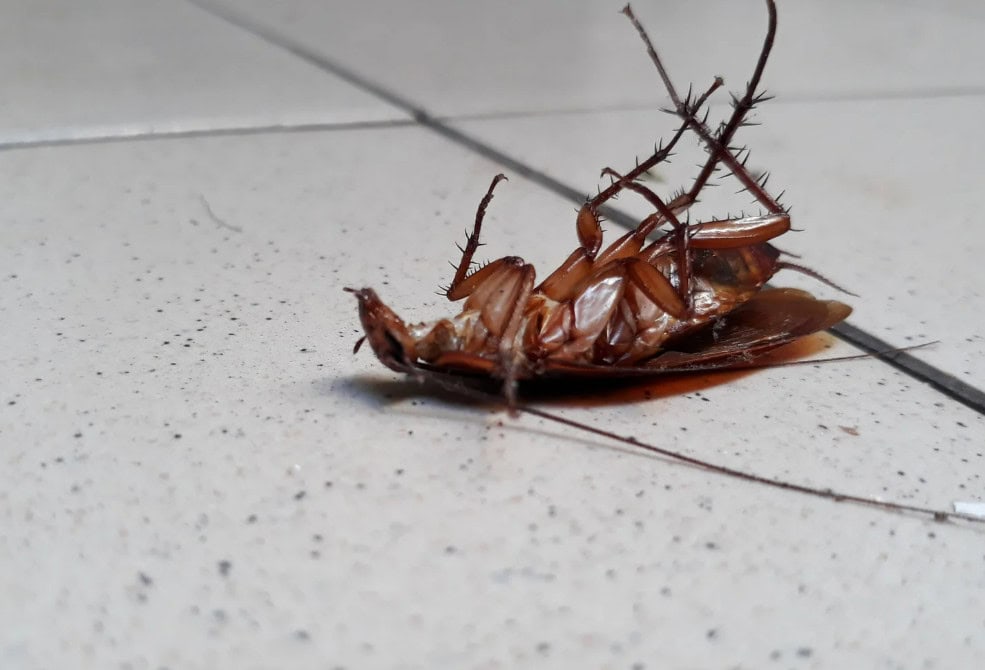
Roaches do not enter electronics because they are interested in the device itself. They move in because electronics often provide warmth, darkness, tight hiding spaces, and protection from people and pets. Vents, seams, cable ports, power supplies, and the area inside the case can feel like safe shelter.
A cockroach infestation usually has a nearby cause. Crumbs under a desk, grease behind a stove, pet food, a leaking pipe, cardboard clutter, or a dirty pantry can attract roaches first. Once they are inside your home, they look for nooks and crannies where they can rest, lay eggs, and avoid light.
German cockroaches are especially common in kitchens and apartments because they multiply rapidly and hide in appliances. Small roaches can slip behind a refrigerator, under a microwave, along a baseboard, or into gaps around cabinets and wall voids before homeowners realize the infestation is spreading.
Electronics At Risk
Any warm device near food, water, dust, or clutter can attract roaches. The most common electronics at risk include laptops, desktop computers, gaming consoles, televisions, printers, Wi-Fi routers, modems, speakers, coffee makers, microwaves, ovens, dishwashers, and refrigerator control areas.
Appliances are especially vulnerable because they combine warmth with food residue and moisture. A refrigerator may have crumbs, condensation, and a hidden drip pan. An oven can collect grease and food particles. A microwave may have splatter near vents or seams.
Roaches can cause damage when they crawl across internal electrical components, leave droppings, shed skins, die inside the device, or create debris that contributes to overheating and short circuits. In serious cases, roach activity can short out your product and lead to costly repairs.
How to Get Roaches Out of Electronics
The safest way to get roaches out of electronics is to treat the area around the device, not the sensitive circuits inside it. Avoid spraying pesticide directly into vents or openings. Aerosol spray can leave residue, damage parts, contaminate surfaces, and push insects deeper into the machine.
Start with these steps.
| Step | What to do | Why it helps |
| Unplug the device | Disconnect power if it is safe to do so | Reduces electrical risk while you inspect |
| Move it carefully | Place the item in a clear area away from food | Limits spread to nearby electronics |
| Isolate it | Use a sealed plastic bag or bin for small devices | Encourages roaches to leave or become trapped |
| Set traps nearby | Place glue traps around the device, not inside ports | Shows where roaches are active |
| Use bait outside | Apply gel bait in cracks near the device | Draws roaches away from electronics |
| Clean dry debris | Use compressed air outdoors on vents and seams | Removes dust, dead insects, and loose material |
| Monitor | Keep checking traps for several days | Confirms whether activity is dropping |
For a laptop, console, router, or printer, place the unplugged device in a large plastic bag or sealed bin with glue traps near the device but not pressed into vents. If roaches are active, they may come out searching for food or water. Afterward, use compressed air outdoors to clear vents and seams, directing debris away from openings.
Do not soak the item with cleaner. Do not pour boric acid into a keyboard or console. Do not put loose insecticide dust inside electronics. Do not use moth balls. These methods can damage the device or create exposure risks without solving the source of the infestation.
How to Get Roaches Out of Appliances
Appliances need a slightly different approach because many are heavy, greasy, and connected to water, gas, or high-voltage components. If the appliance is safe to move, pull it away from the wall and inspect the areas around it. Look for droppings, egg casings, grease, crumbs, water leaks, and entry points around pipes or cords.
For a refrigerator, clean underneath and behind it, check the drip pan if accessible, and place glue traps along the wall and beside the appliance. Use cockroach gel bait in protected cracks nearby, not inside motors, vents, fans, or electrical panels.
For a microwave, unplug it and clean the exterior, counter, cabinet, and nearby crevice areas. If roaches are inside the microwave housing, do not open the unit unless you are qualified. Microwaves can contain high-voltage components even after being unplugged.
For an oven electronics roach infestation, prevention and solutions should focus on cleaning grease, baiting surrounding cracks, sealing gaps, and calling a technician if roaches are reaching control boards. Do not touch high-voltage components or apply pesticide into appliance panels.
Best Products and Methods for Roach Control Near Electronics
The most useful tools are simple and targeted. Glue traps help you inspect activity and find travel paths. Gel bait attracts roaches and can reduce the population when placed correctly. Sealing gaps blocks access. Cleaning removes food and moisture that help roaches survive.
The Environmental Protection Agency describes integrated pest management as a practical approach that combines pest knowledge, monitoring, prevention, and control methods with less hazard to people, property, and the environment. That makes EPA guidance on integrated pest management a better model than relying on random sprays alone.
Cockroach gel bait works best when placed in small dots along cracks, behind appliances, near baseboards, under sinks, and close to roach paths. Do not place gel directly on hot surfaces, food prep areas, or inside electronic devices. Keep bait inaccessible to children and pets, and follow the product label.
Boric acid can work in the right setting, but it should not be dumped into electronics. If used, it belongs in labeled, appropriate areas such as dry cracks and voids where it will not contact people, pets, food, or circuit boards. More homeowners are better served by enclosed bait stations or professional placement.
For more general prevention habits, The Pest Advice also covers how household sanitation helps stop pests in Stop the Spread and why targeted baiting can be better than broad spraying in organic pest control.
How to Keep Roaches Out of Electronics
The best way to keep roaches out of electronics is to make the room around them less inviting. Roaches need food, water, shelter, and access. Remove those conditions and electronics become less attractive.
Keep food away from desks, keyboards, consoles, and entertainment centers. Vacuum crumbs from workstations. Wipe sticky surfaces.
Empty trash regularly. Store snacks and pantry items in sealed containers. Clean under the refrigerator, stove, microwave cart, and coffee station.
Fix leaks under sinks, behind toilets, around dishwashers, and near laundry appliances. Roaches love damp areas, so even a small drip can support a larger cockroach problem. Check gaps around pipes, cabinets, doors, and cable openings, then seal gaps where possible.
Use fine mesh to block openings only where it will not interfere with airflow, heat release, or the device manufacturer’s safety design. Clean dust filters and vents so electronics do not become warm, dusty hiding spots. Avoid storing cardboard boxes near devices because roaches can hide in the corrugation and use clutter as shelter.
Cockroaches in Your Electronics Need More Than One Fix
A common mistake is treating only the device. If roaches are inside electronics, there are usually more roaches nearby. Killing a few insects in a laptop or appliance will not eliminate the problem if there is food under the stove, water under the sink, or a hidden nest behind the wall.
Use glue traps to map the activity. Place them behind appliances, under sinks, along baseboards, beside trash cans, and near cabinets.
If traps keep catching roaches, expand your inspection. Look for droppings, dark smears, egg casings, musty odor, and live insects at night.
A real cockroach control plan includes cleaning, baiting, sealing, moisture repair, and follow-up. This is especially important for German cockroaches because they can multiply rapidly and move from one hiding place to another when disturbed.
When to Call Pest Control Services
DIY solutions can help with a light roach problem, but some situations need pest control services.
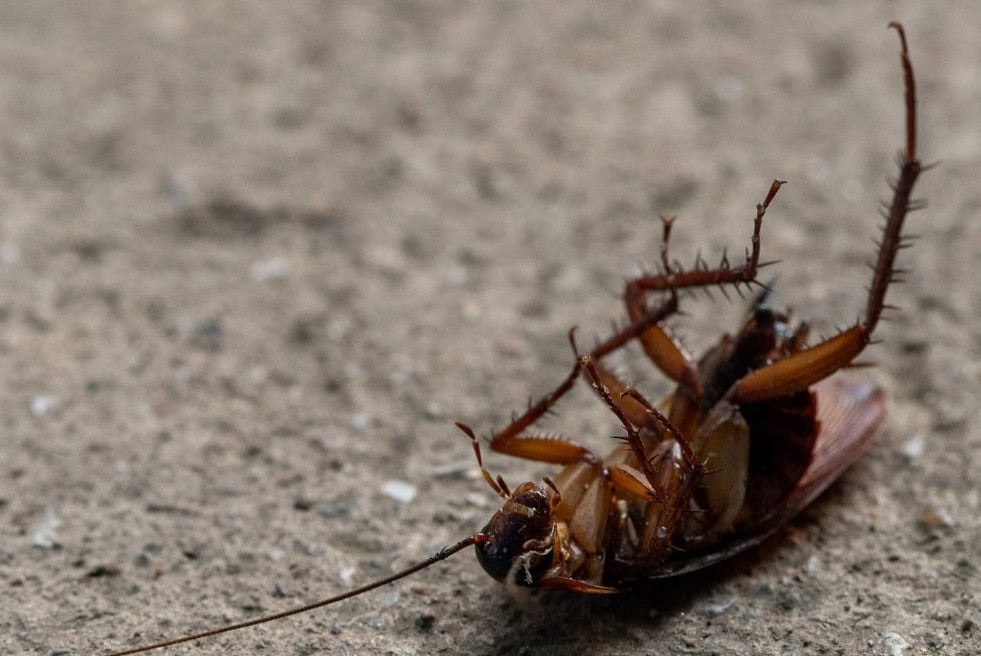
Call an exterminator if you see roaches during the day, find egg casings, notice activity in several rooms, catch roaches in traps after repeated baiting, or suspect they are inside appliance panels.
Professional cockroach treatment is also the safer choice for expensive electronics, oven boards, refrigerator motors, breaker-adjacent spaces, and anything with high-voltage components.
A good technician can inspect entry points, identify the species, place bait correctly, and use products in ways that protect people and pets.
Homeowners comparing pest control services should ask how the company inspects, whether it uses bait and monitoring, how it handles kitchens and electronics, and what follow-up is included. Reviews from other homeowners can help, but the treatment plan matters more than a quick promise to spray.
What About Bed Bugs and Other Pests
Bed bugs and roaches are both stressful, but they require different treatment plans. Roaches look for food, moisture, warmth, and shelter. Bed bugs feed on blood and usually hide around beds, couches, luggage, and sleeping areas.
If you are seeing bites, blood spots, or insects near mattress seams, do not assume the problem is roaches. Start with identification. The Pest Advice has a separate guide to bed bug bites that can help homeowners understand when the pest may be something other than cockroaches.
A Smarter Way to Protect Your Devices
Roaches inside electronics are not just unpleasant. They can contaminate devices, damage appliances, and signal a larger infestation inside your home. The best response is calm and methodical.
Unplug the device, avoid spraying inside it, isolate smaller electronics, place traps and gel bait nearby, clean food and moisture sources, seal entry points, and monitor for new activity. For large appliances or any high-voltage situation, bring in a professional instead of opening panels yourself.
The goal is not only to get roaches out of electronics. It is to make the surrounding space clean, dry, sealed, and unattractive enough that they do not return.
FAQs
Can cockroaches live in your electronics?
Yes. Cockroaches can live inside electronics when the device gives them warmth, darkness, and tight shelter. They are more likely to infest devices near food, water, grease, clutter, or other roach activity.
How do I get roaches out of electronics without ruining them?
Unplug the device, isolate it in a sealed bag or bin, place glue traps nearby, and use gel bait in surrounding cracks rather than inside the device. Clean vents with compressed air outdoors and avoid liquid sprays.
Is there a way to get roaches out of appliances?
Yes. Clean around and behind the appliance, inspect for droppings and egg casings, place traps nearby, and use cockroach gel bait in protected cracks around the appliance. Call a technician if roaches are inside sealed panels or electrical areas.
What will kill roaches immediately?
Contact sprays can kill visible roaches quickly, but they are not the best answer for electronics. Baits, traps, sanitation, and sealing are usually better for long-term control because they target hidden roaches as well as the ones you see.
Why do cockroaches invade electronics and appliances?
They invade electronics and appliances because these areas are warm, dark, tight, and often close to crumbs, grease, moisture, or clutter. Appliances in kitchens are especially attractive because they offer both shelter and food residue.
What are the most effective products or methods to remove roaches from electronics?
The most effective methods are glue traps, gel bait placed near the device, dry cleaning, moisture control, sanitation, and sealing entry points. For serious infestations, professional pest control is safer than dismantling electronics yourself.
Can roaches damage electronics or appliances?
Yes. Roaches can leave droppings, shed skins, and dead insects inside devices. This debris can contaminate surfaces, interfere with airflow, contribute to overheating, and increase the risk of short circuits.
Do roaches lay eggs in appliances?
Yes, roaches can lay eggs in or around appliances if the area is protected and close to food or water. Egg casings near a refrigerator, oven, microwave, or dishwasher are a sign that the infestation needs active treatment.
Are roach gels safe around pets?
Roach gels can be used in homes with pets when the label directions are followed and the bait is placed in inaccessible cracks or bait stations. Never leave gel where pets, children, or food can contact it.
When should I call a professional for roaches in electronics?
Call a professional when roaches are inside large appliances, expensive electronics, oven controls, refrigerator panels, or multiple rooms. You should also get help if traps keep catching roaches after cleaning, sealing, and baiting.