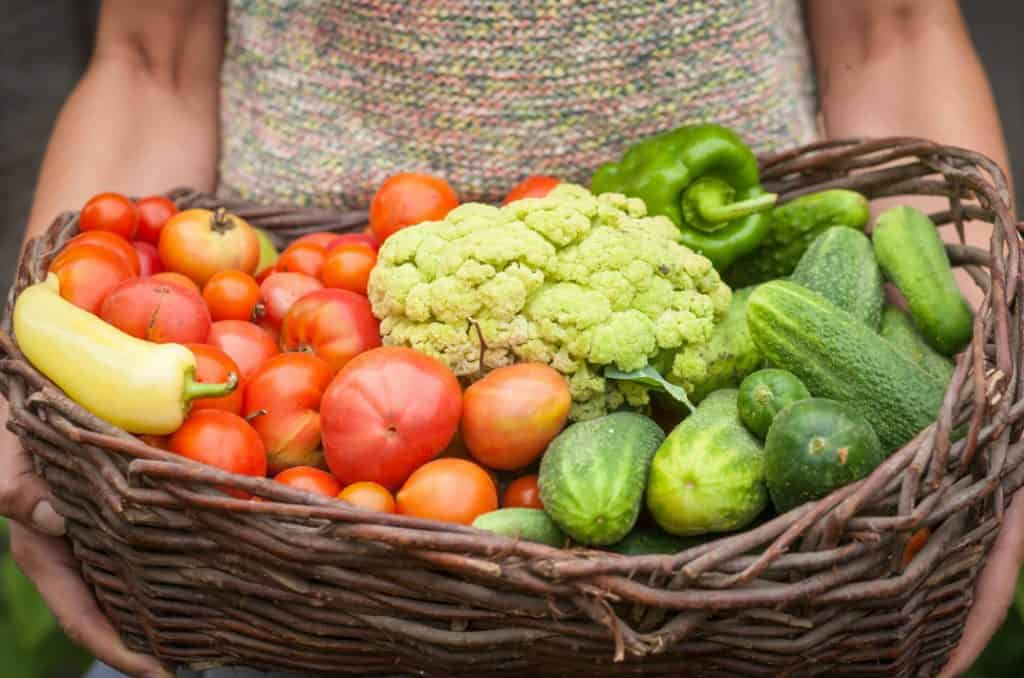
Growing your own food brings an incredible amount of personal satisfaction. Watching tiny seeds transform into a bountiful harvest feels highly rewarding. This practice gives you fresh options right outside your door.
Sharing that harvest with uninvited critters can ruin the experience quickly. Protecting your backyard investment requires a smart strategy and the right tools. Implementing defensive steps early saves your crops.
Know Your Garden Enemies
Identifying the specific insects invading your property stands as the first step toward a permanent solution. Different bugs require completely unique management methods to remove them safely.
Treating every insect identically leads to poor results and wasted time.
Some common insects chew massive holes through the leaves of your favorite vegetable plants. Other microscopic varieties suck the sap directly from the main stems of your crops.
Recognizing the exact damage pattern helps you select the correct defense strategy.
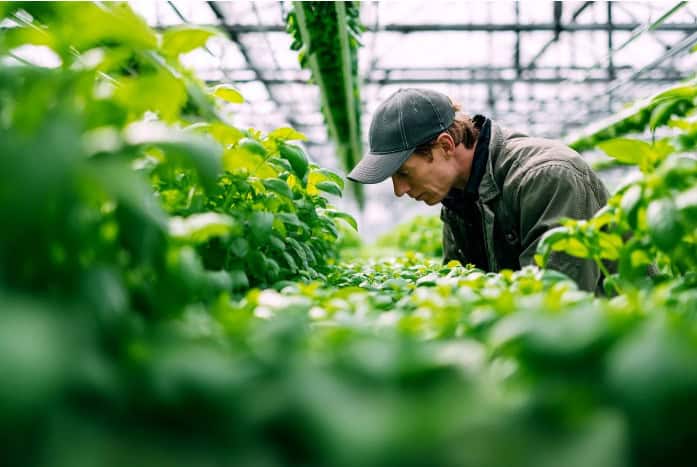
Monitoring your plants on a daily basis helps catch these subtle threats before they spread. Early detection prevents a minor bug issue from transforming into a total crop loss. Spending 5 minutes inspecting leaves every morning makes a massive difference.
Create Physical Barriers
Row covers block airborne insects from landing on your delicate backyard plants. These specialized fabrics permit sunlight and natural rain to pass through without restriction. You can protect long rows of leafy greens with minimal physical effort.
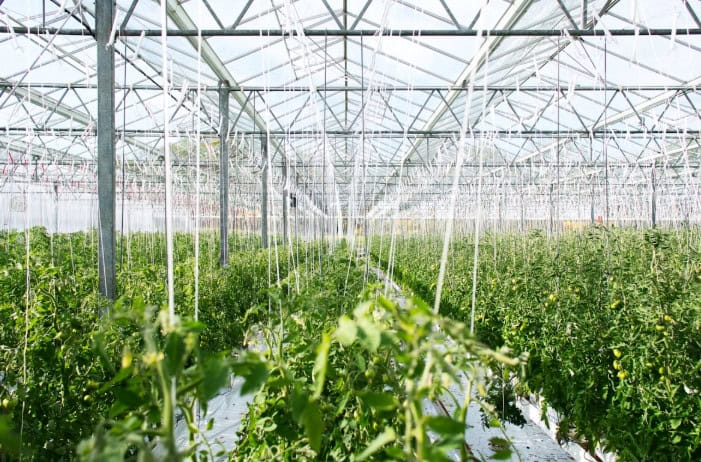
Many commercial growers invest in protective structures to shield sensitive crops from changing elements.
Utilizing greenhouse and high tunnel structures offers an excellent method to exclude airborne insects completely from your growing space. These secure setups keep your valued plants insulated from many outside environmental threats.
Fine mesh netting works wonders for preserving fruit trees and larger berry bushes from hungry birds. Sturdy perimeter fences keep larger animals from chewing on your low-hanging summer vegetables.
Combining different physical blockades creates an impenetrable wall for your harvest.
Use Smart Planting Techniques
Mixing different plant families together throughout your garden beds disrupts typical insect feeding patterns. Planting large blocks of a single vegetable crop invites heavy infestation from specialized bugs.
Diversifying your garden layout confuses searching insects and minimizes seasonal damage.
Strong-smelling herbs frequently confuse searching bugs by masking the scent of their favorite target foods.
Interplanting marigolds and aromatic basil can deter unwanted visitors from eating your main vegetable selections. Nature provides excellent companion options to protect your investments naturally.
Selecting hardy seed varieties helps your entire garden resist natural environmental pressures right from the start.
Stronger plants survive minor insect attacks much better than weaker or stressed varieties. Investing in high-quality seeds pays massive dividends when harvest time arrives.
Support Beneficial Insects
Not every insect crawling through your garden beds causes damage to your growing food crops. Friendly ladybugs and delicate lacewings consume massive quantities of soft-bodied invaders every single day.
Encouraging these natural predators reduces the need for manual insect control.
Creating a friendly environment keeps these helpful predatory bugs living inside your garden perimeter. Avoid utilizing harsh chemical sprays that inadvertently wipe out the entire local insect population.
Natural balance keeps your backyard ecosystem thriving without artificial intervention.
Providing a small, shallow water source keeps these helpful insect allies active during hot summer afternoons. Planting a wide variety of bright flowers offers nectar to sustain them across the full season. These additions turn your yard into a safe haven.
Maintain Clean Garden Beds
Leftover plant debris from previous seasons provides a perfect hiding spot for overwintering insect eggs.
Clearing away dead leaves and old stalks prevents major outbreaks from starting early next spring. Good hygiene remains a foundational rule for successful food production.
Turning the topsoil before spring planting exposes hidden larvae to hungry local birds.
Regular weeding removes alternative food sources and shelter zones for destructive crawling bugs. Keeping the ground clear deprives invaders of the spaces they need to multiply.
Proper spacing between individual plants greatly improves airflow around the dense lower foliage.
Keeping leaves dry prevents damp-loving fungal issues from taking hold during rainy weeks. Healthy spacing allows sunlight to reach every part of the plant structure.
Control Temperature And Moisture
Managing the internal climate inside enclosed growing areas changes your success rate completely.
Excessive humidity inside covered structures creates perfect breeding conditions for various fungal diseases. Regulating air movement keeps your crops dry and less attractive to mold.
A recent report from the University of Vermont Extension indicates that warm-season tunnel crops grow best when temperatures stay between 70 and 75 degrees Fahrenheit.
Maintaining this specific temperature range keeps your vegetable plants robust and productive. Stronger crops defend themselves from outside pressures more easily.
Consistent climate tracking yields excellent results over the long term. Follow 3 simple steps for success:
- Track daily internal temperature highs.
- Adjust mechanical ventilation fans regularly.
- Water your soil early in the morning.
Maximize Yield Quality
Growing under covered structures provides several highly noticeable advantages for your final food harvest.
Protected environments consistently yield cleaner fruits and more uniform sizing across all your plants. Your hard work transforms into beautiful produce you can feel proud of displaying.
An article from Cornell Cooperative Extension highlights that protected environments deliver high-quality fruit and quicker tomato yields.
The published data demonstrates a substantial drop in downy mildew outbreaks. Growers see immediate benefits from using these covered production methods.
Cleaner leaves mean the plant focuses maximum energy on fruit production rather than repairing tissue damage.
Fewer skin blemishes lead to a more marketable and appetizing harvest for your family table. Protecting the foliage preserves the overall longevity of the crop.
Keeping your harvest safe from invaders takes consistent effort and attention throughout the changing season.
Combining multiple physical and biological methods creates the strongest possible defense plan for your backyard crops. Small daily steps yield massive rewards when it comes time to pick your food.
Watch your plants closely every single week and adjust your protective tactics when new challenges appear. A healthy garden rewards your dedication with abundance and provides clean food for your household.
Enjoy the peace of mind that comes from a well-protected growing space.