
A comfortable home is something most people work hard to create. From thoughtful interior design to maintaining the exterior of the property, homeowners invest time and energy into making their living space safe, functional, and welcoming. One issue that can quietly undermine all of these efforts, however, is pest activity.
Pests such as ants, rodents, termites, and other insects are more than just a nuisance. In many cases, they can damage structures, contaminate living spaces, and create ongoing maintenance challenges if they are not addressed early. Understanding how pests enter homes and what homeowners can do to prevent infestations is an important part of responsible homeownership.
Why Homes Attract Pests
Most household pests are drawn to three basic things: food, water, and shelter. Residential properties naturally provide all three, which makes them appealing environments for insects and rodents looking for a place to survive and reproduce.
Food sources are often the easiest attractant. Crumbs in kitchens, uncovered trash bins, or improperly stored pantry items can quickly attract ants, cockroaches, and other insects. Even small food particles can be enough to sustain certain pest populations.
Water is another major factor. Leaky pipes, condensation around appliances, and areas with poor drainage can create the moisture pests need to thrive. Some insects are particularly attracted to damp environments, making bathrooms, laundry rooms, and crawl spaces common locations for infestations.
Shelter is the third component. Attics, wall cavities, garages, and basements provide dark and undisturbed spaces where pests can nest without being noticed for long periods of time.
Common Entry Points Around the Home
One of the reasons pests can be difficult to control is that they often enter homes through openings that are easy to overlook. Even small gaps or cracks can provide enough space for insects or rodents to enter.
Some of the most common entry points include:
- cracks in foundations or exterior walls
- gaps around doors and windows
- openings around plumbing or electrical lines
- attic vents and roofline gaps
- garage doors that do not fully seal
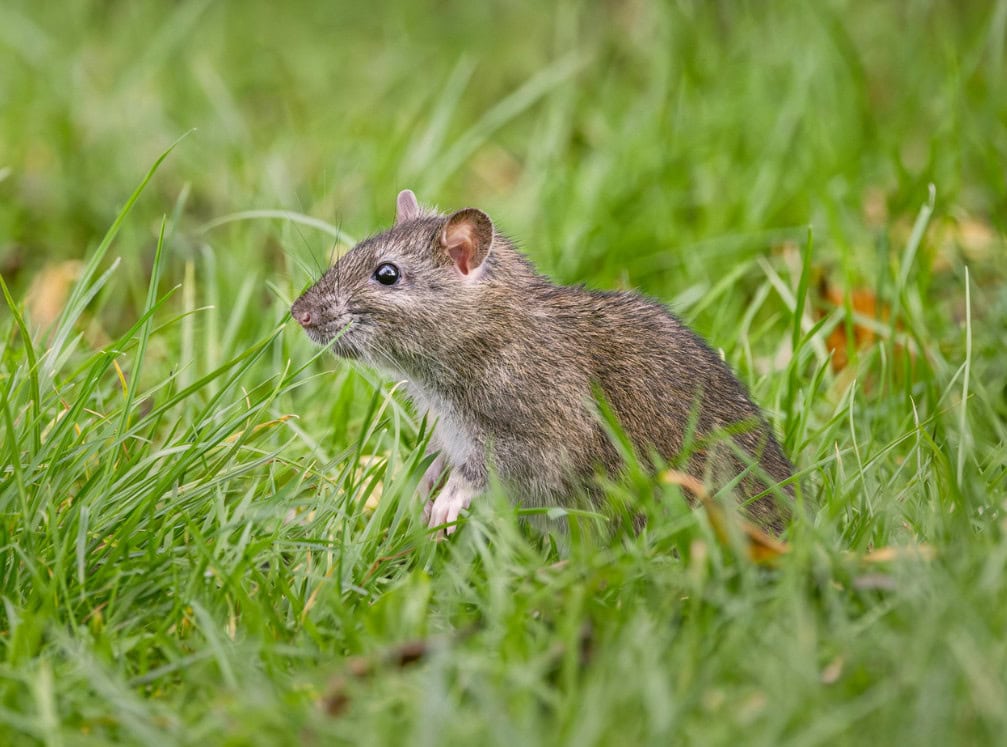
Many pests are surprisingly capable of squeezing through tiny openings. Certain insects can enter through gaps only a few millimeters wide, while rodents are able to compress their bodies to fit through small spaces near foundations or siding.
Because these openings are often hidden or located in areas homeowners rarely inspect, pest activity can begin long before visible signs appear indoors.
Early Warning Signs of Pest Activity
Recognizing early signs of pest activity can help homeowners address problems before they become more serious.
Some common warning signs include:
- small piles of debris or insect droppings
- scratching sounds inside walls or ceilings
- visible trails of ants or insects near food sources
- grease marks or gnaw marks along walls or baseboards
- wood damage or hollow-sounding structural areas
While these signs do not always indicate a severe infestation, they often suggest that pests have begun exploring or nesting somewhere in the home.
The earlier these issues are identified, the easier they are usually to resolve.

Simple Steps to Prevent Pest Problems
Protecting your home from pests often begins with regular maintenance and a few simple household habits.
Keeping kitchens clean and storing food in sealed containers is one of the most effective ways to discourage insects. Regularly wiping down surfaces and vacuuming crumbs removes food sources that attract pests.
Moisture control is equally important. Fixing plumbing leaks, improving ventilation in damp areas, and ensuring proper drainage around the home can reduce the conditions that allow pests to thrive.
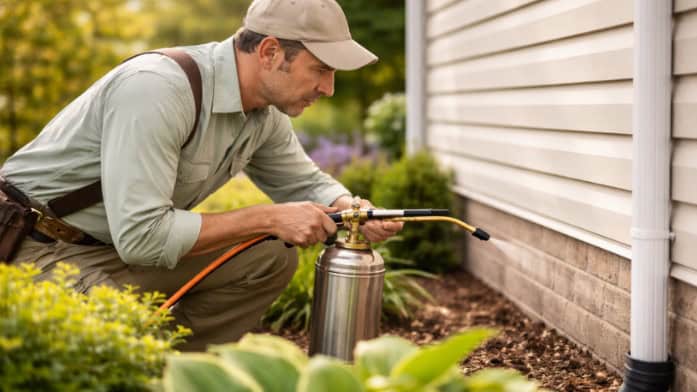
Outdoor maintenance also plays a role in pest prevention. Trimming shrubs and tree branches away from the house can limit access points for insects and rodents. Removing piles of leaves, firewood, or debris near the home reduces potential nesting areas.
In addition, sealing small cracks and gaps around the exterior of the home can significantly reduce the chances of pests entering in the first place.
When Professional Inspections Make a Difference
While many preventative steps can be handled by homeowners, some pest problems develop in areas that are difficult to inspect without professional experience.
Crawl spaces, attics, and wall cavities often allow pests to remain hidden while damage gradually develops. Termites, for example, can feed on wood inside walls for long periods before homeowners notice visible damage.
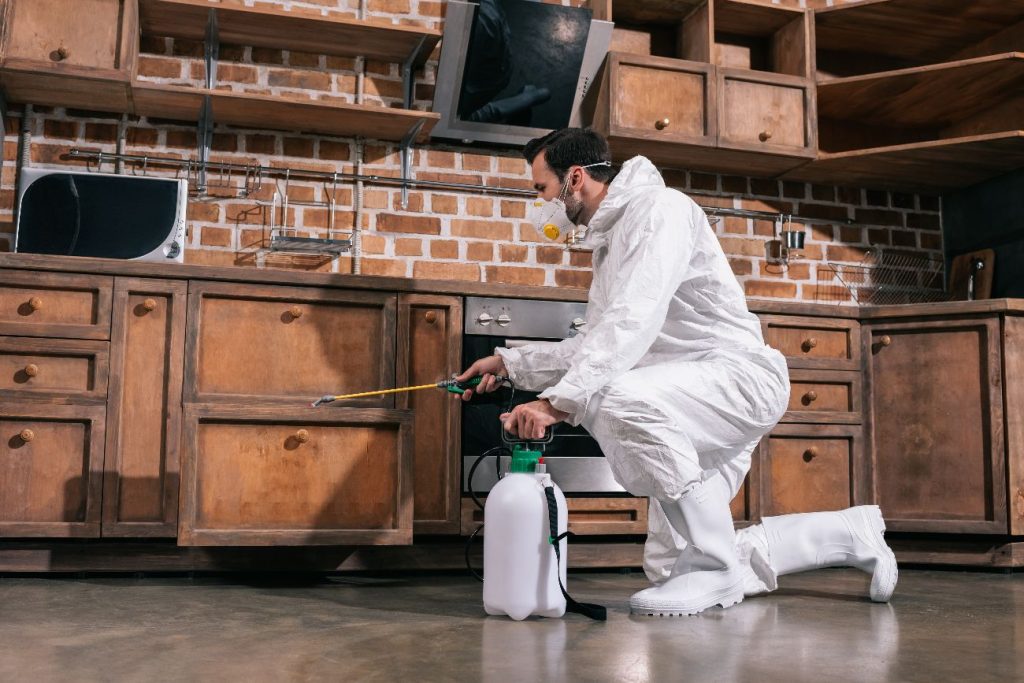
Professional pest inspections can help identify early warning signs that might otherwise go unnoticed. Pest control specialists are trained to recognize structural vulnerabilities, locate nesting areas, and recommend treatments that address the root cause of infestations.
Many modern pest control providers are also shifting toward environmentally responsible solutions that reduce risk to families and surrounding ecosystems. For example, homeowners researching prevention strategies can explore guidance from companies such as Talos Pest Control, which emphasizes eco-conscious treatment methods designed to control pests while remaining safe for people, pets, and the planet. These approaches focus on targeted treatments, preventative strategies, and long-term pest management rather than relying solely on heavy chemical applications.
Maintaining a Healthy Living Environment
A well-maintained home provides comfort, safety, and long-term value. Protecting that environment requires attention not only to visible maintenance issues but also to hidden threats that can develop over time.
By understanding how pests enter homes, recognizing early warning signs, and taking preventative steps, homeowners can greatly reduce the likelihood of infestations. Regular inspections and proactive maintenance help ensure that homes remain clean, comfortable, and protected from the structural and health risks that pests can create.
For homeowners focused on preserving the beauty and function of their living space, pest prevention is an important part of maintaining a home that continues to serve their family well for years to come.