Pest control doesn’t have to mean spraying first and asking questions later. Integrated Pest Management, often called IPM, is a smarter way to protect your home by focusing on inspection, prevention, monitoring, and targeted treatment.
This guide explains what IPM means in a real household setting, why it’s the safer way to protect your home than routine blanket treatments, and how you can use the same approach when dealing with common pest problems.
IPM Starts With Understanding the Pest Problem
Integrated Pest Management is a decision-making process, not a single product or treatment. Instead of treating every pest sighting the same way, IPM asks a few practical questions first: What pest is it? Why is it here? Where is it getting in? What conditions are helping it survive?
That matters because different pests need different responses. A few ants near the kitchen sink may point to crumbs, moisture, or a small entry gap.
Mice in a basement may point to exterior openings, stored food, clutter, or a warm nesting area. Cockroaches in an apartment kitchen may involve sanitation, shared walls, drains, and hidden harbourage areas.
A spray may kill the pests you can see, but it often misses the reason they showed up. IPM looks for the cause. If ants are entering through a gap behind the dishwasher, sealing the gap and removing the food source can do more long-term good than repeatedly treating the countertop. If mice are entering under a garage door, trapping alone won’t solve the problem until the opening is closed.
The safer part of IPM comes from this order of thinking. You inspect first, identify the pest accurately, remove what attracts it, block access, monitor activity, and then use treatment only when it’s needed. Chemical products may still have a place, but they’re not the default starting point.
Prevention Is the Most Important Part of Safer Pest Control
The strongest IPM plans usually look boring at first. They involve cleaning, sealing, drying, storing, trimming, and repairing. Those steps don’t feel as dramatic as treatment, but they often make the biggest difference because pests need food, water, shelter, and access.
In a home, prevention starts with the places pests commonly exploit. Kitchens are obvious because of food residue, pet bowls, trash bins, and crumbs under appliances.
Bathrooms, laundry rooms, and basements matter because many pests are drawn to moisture. Garages and storage rooms can become hiding places when boxes, fabric, and seasonal items sit undisturbed for months.
A practical IPM prevention checklist might include sealing gaps around pipes, keeping pantry goods in tight containers, fixing slow leaks, clearing leaves from foundation edges, trimming branches away from the roofline, and moving firewood away from exterior walls. None of these steps requires harsh treatment, but each one removes an advantage pests use.
This is also where local conditions matter. A homeowner dealing with older New England housing, damp basements, seasonal rodent pressure, and wooded lot edges may need a different prevention plan than someone in a dry climate or newer construction. When comparing professional options such as Massachusetts pest control, it’s worth looking for providers who inspect and explain the pest pressure around the home instead of relying only on repeated applications.
Prevention doesn’t mean your home will never see a pest. It means you reduce the conditions that allow a small issue to become a larger one. That’s the real value of IPM: it makes the home less inviting before treatment becomes urgent.
Monitoring Helps You Avoid Unnecessary Treatments
One reason homeowners overuse pest products is uncertainty. You see one bug and wonder whether it’s a one-time visitor or the start of an infestation. IPM uses monitoring to answer that question before choosing a response.
Monitoring can be simple. Sticky traps behind appliances can show whether cockroach activity is isolated or ongoing. A small amount of rodent activity near a garage wall can be tracked with traps and follow-up inspections. Ant trails can be observed to find where the insects are entering and where they’re travelling. For pantry pests, checking flour, cereal, rice, pet food, and stored goods helps narrow the source.
The point isn’t to ignore pests. It’s to avoid guessing. If you treat without knowing where the activity is coming from, you may expose your household to products unnecessarily and still leave the root problem untouched.
Monitoring also helps you measure whether a fix worked. Suppose you seal a gap under a door and clean a pantry shelf where ants were active. If the trail stops and no new activity appears, you may not need additional treatment. If activity continues, the monitoring tells you where to look next.
This step is especially useful in homes with children, pets, older adults, or anyone sensitive to odours and residues. IPM doesn’t assume that “more treatment” means “better protection.” It looks for the least disruptive option that can reasonably solve the problem.
Targeted Treatment Works Better Than Blanket Pest Control
IPM is not anti-treatment. That’s a common misunderstanding. It simply treats pest control products as one tool within a larger plan, not the whole plan.
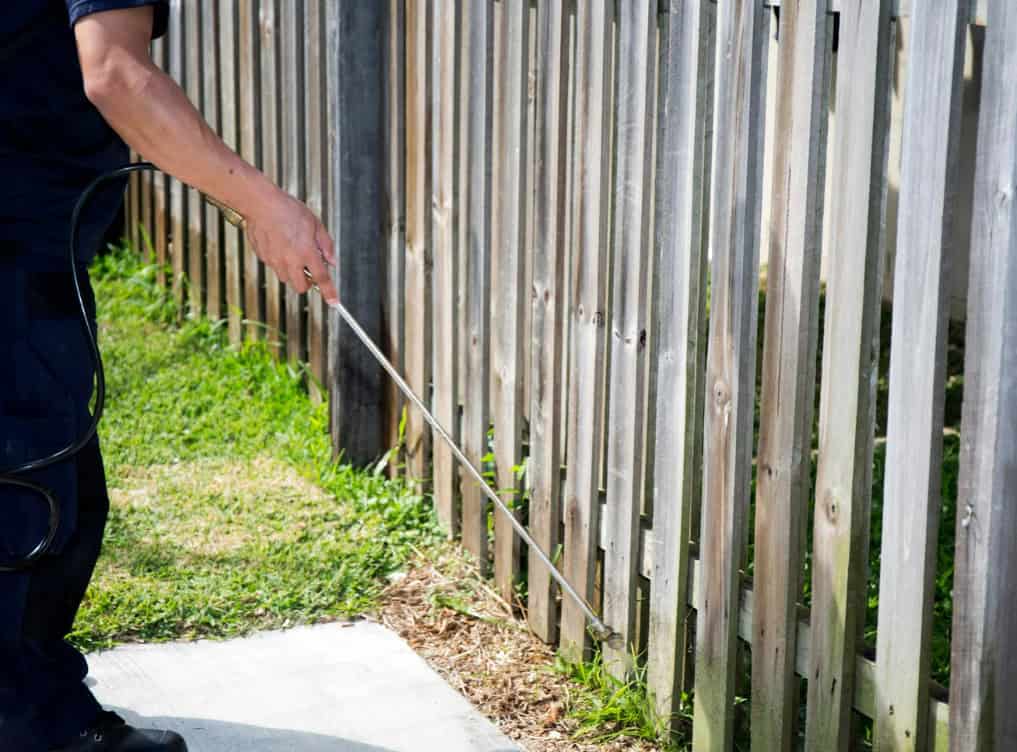
When treatment is needed, IPM favours targeted methods. For ants, that may mean using bait near the trail so the colony is addressed more effectively than spraying visible workers. For mice, it may mean placing traps along known travel routes while sealing entry points. For cockroaches, it may mean combining sanitation, exclusion, monitoring, and precise bait placement in cracks and harbourage areas.
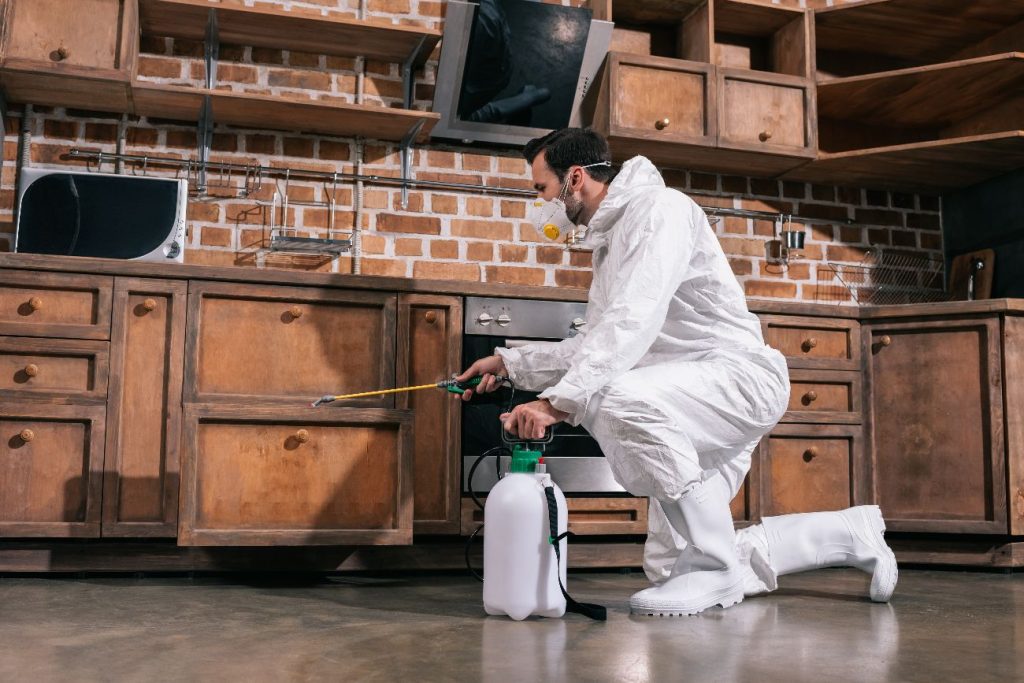
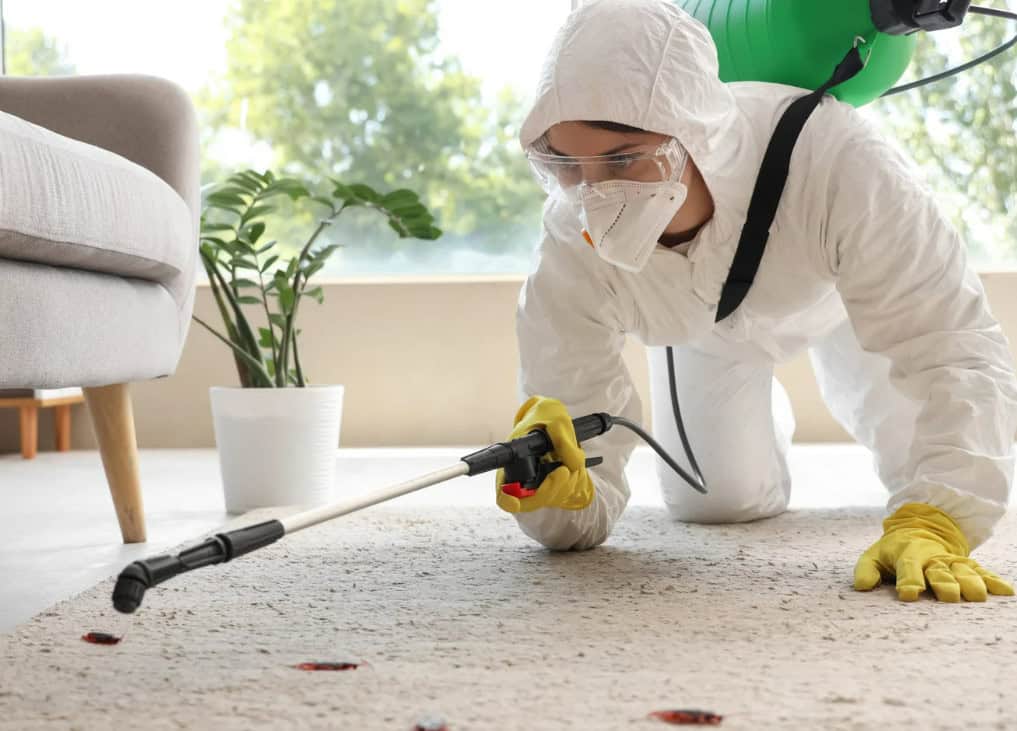
This approach is safer because it reduces unnecessary exposure. A blanket spray across baseboards may feel thorough, but it can be less useful if the pest is nesting behind an appliance, entering from an exterior gap, or feeding from a source that remains untouched. Targeted treatment asks where the pest actually lives, feeds, travels, or enters.
It also respects product labels and limits. Homeowners should never assume that using more product will create better results. Overuse can create safety concerns, waste money, and sometimes make pest problems harder to manage. With IPM, the goal is to use the right method, in the right place, at the right time.
A good example is a recurring ant issue in a kitchen. A spray may stop the visible trail for a day, but the ants may return from another gap. An IPM response would identify the ant type, follow the trail, remove food residue, fix moisture if present, seal entry areas where practical, and use bait if colony control is needed. The result is a more complete response with less unnecessary treatment.
IPM Changes How You Respond to Common Household Pests
Integrated Pest Management becomes easier to understand when you apply it to real household scenarios.
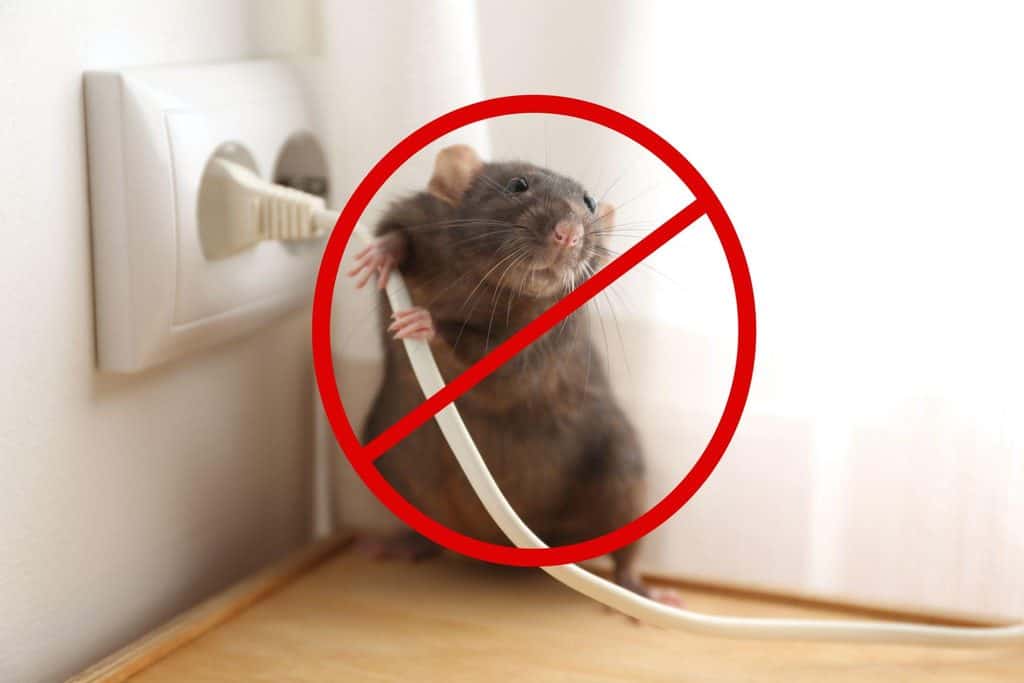
For rodents, IPM starts outside. Mice can squeeze through very small openings, so the first job is to inspect the foundation, garage door seals, utility penetrations, vents, and gaps near siding. Indoors, the focus shifts to food storage, clutter reduction, and safe trap placement. Treatment without exclusion usually leads to repeat activity because the home remains accessible.
For cockroaches, the first step is identification and location. Seeing one roach in a bathroom doesn’t always mean the same thing as seeing several in a kitchen at night. IPM looks for moisture, grease, food residue, cardboard, cracks, appliance voids, and nearby units in shared housing. Baits and monitoring tools often make more sense than broad sprays because they target behaviour and hiding places.
For ants, the key is to resist wiping out the trail before learning where it leads. Watch the direction of travel. Check window frames, doors, plumbing penetrations, and exterior vegetation touching the house. Clean the food source, seal what you can, and choose treatment based on the ant type and location.
For occasional invaders like stink bugs, spiders, or centipedes, prevention may matter more than treatment. Door sweeps, screens, attic vents, foundation gaps, humidity control, and outdoor lighting habits can all influence how often these pests appear indoors.
Each example shows the same pattern: identify, inspect, prevent, monitor, and treat only where needed. The pest changes, but the process stays consistent.
When a Homeowner Should Call a Professional
IPM includes plenty of steps homeowners can do themselves, but there are times when professional help makes sense. A single ant trail may be manageable. A recurring cockroach problem, rodent activity in walls, termite concerns, stinging insects near entryways, or pests in hard-to-access areas should be handled more carefully.
A professional IPM-based inspection should give you more than a treatment receipt. You should understand what pest was found, where activity was present, what conditions are contributing to it, what non-chemical steps are recommended, and what treatment is being used if treatment is necessary.
Ask practical questions before agreeing to service. What pest are we dealing with? Where is it entering or nesting? What can I change in the home to reduce activity? Is treatment needed now, or should we monitor first? What should I expect to see after service?
Good pest control is not just about removing pests today. It’s about making repeat problems less likely. A provider who takes time to explain entry points, moisture issues, sanitation concerns, and monitoring steps is usually working closer to an IPM mindset than one who only discusses products.
Why IPM Is Safer for the Home Long Term
The biggest advantage of Integrated Pest Management is that it treats your home as a system. Pests don’t appear randomly. They respond to openings, shelter, food, water, temperature, and opportunity.
By improving those conditions, you reduce reliance on repeated treatments. That can be better for people, pets, beneficial insects, indoor air quality, and the surrounding environment. It can also make pest control more effective because you’re not just reacting to symptoms.
IPM also helps homeowners make calmer decisions. Instead of panicking after one sighting, you have a process. Identify the pest. Look for the source. Remove attractants. Block access. Monitor activity. Treat only when the situation calls for it.
That process won’t make every pest issue simple, and it won’t replace professional help in more serious cases. But it gives you a safer and more thoughtful way to protect your home without treating every pest problem like an emergency.
Final Thoughts
Integrated Pest Management works because it focuses on causes, not just visible pests. When you understand what pests need and remove those conditions, your home becomes harder for them to enter, feed, nest, and multiply. Safer pest control isn’t about doing nothing. It’s about doing the right things in the right order.