Garage upgrades bring modern power and utility into your home, but they can face unexpected threats from wildlife. Mice and rats constantly seek warm spaces with materials they can chew.
Unprotected wires present an attractive target for these creatures, leading to costly system damage or safety hazards. Taking proactive steps keeps your electrical system operating safely throughout the year.
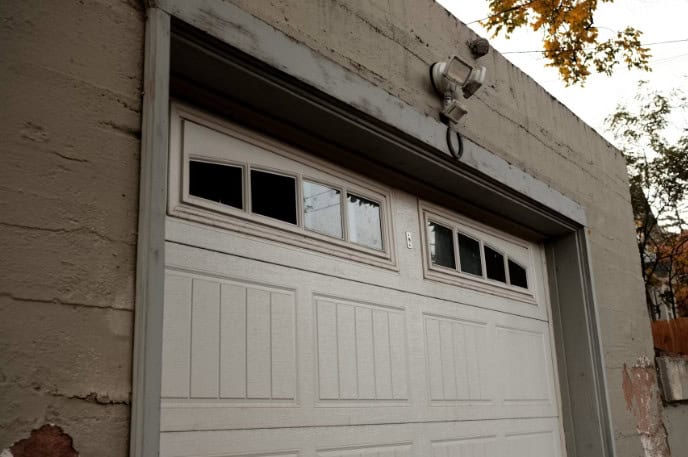
Why Garage Electrical Systems Attract Rodents
Garages offer warmth and shelter during colder seasons of the year. Small creatures often look for dark spaces where they can build nests undisturbed.
Your electrical panels and plastic wire casings provide perfect materials for their chewing habits. Unprotected zones become prime targets for nesting wildlife.
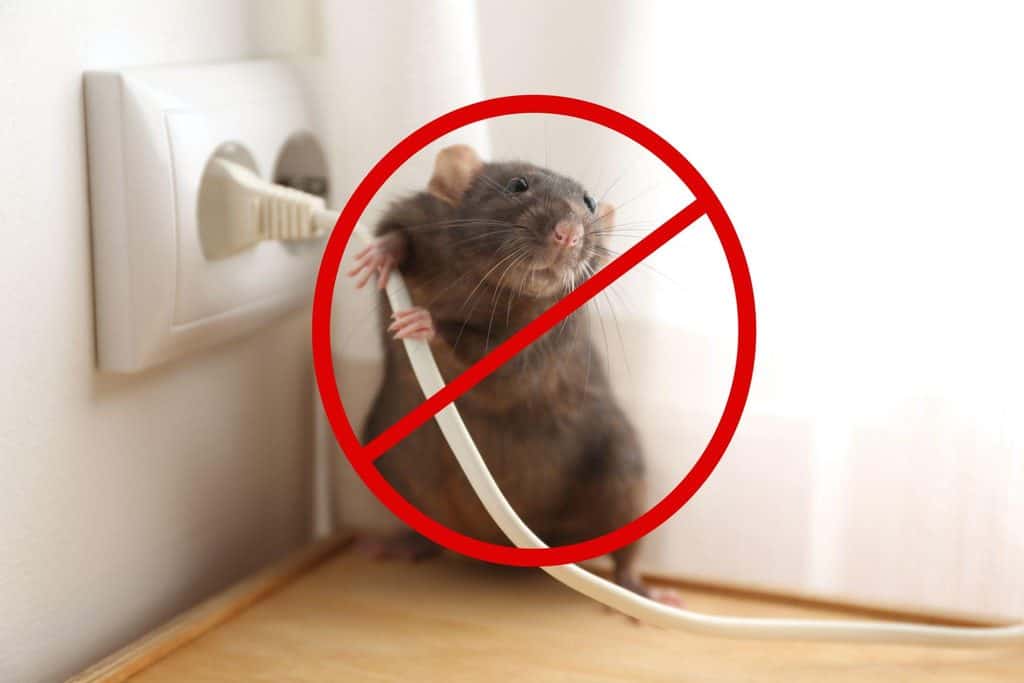
Animals have teeth that grow constantly throughout their lives. They gnaw on hard objects to keep their teeth sharp and short.
This chewing behavior creates major risks of short circuits and power failures. Safe enclosures prevent these small animals from turning your expensive garage wiring into chew toys.
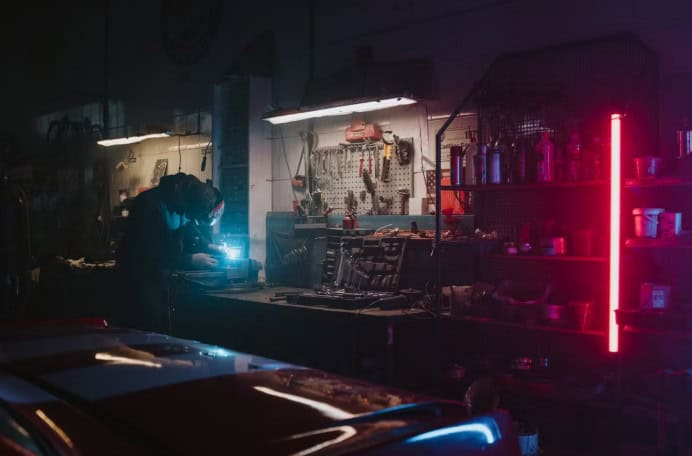
Designing Safe EV Chargers
Upgrading your garage power supply provides excellent convenience for modern driving needs. Many homeowners choose EV charger installations at home to keep their vehicles ready for daily travel. This setup requires heavy cables that need proper physical protection from small animals. Professional layout planning minimizes exposure to typical household pests.
High-voltage lines generate mild warmth that pests can easily detect through walls. Mice frequently gather near these warm conduits to escape chilly drafts.
Shielding these specific lines prevents critters from damaging your expensive equipment. Robust conduit choices keep your high-capacity charging station running without interruption.
Recognizing Early Signs Of Pest Activity
Homeowners must stay alert for indicators of animal intrusion near their power systems. Small droppings or shredded insulation near your panels signal immediate trouble.
Finding these clues early allows you to fix vulnerabilities before major harm occurs. Regular monthly checkups protect your equipment from unexpected chew damage.
Scratches on wall surfaces or unusual sounds behind drywall point to unwanted guests. Rodents leave distinct smudge marks along baseboards from the oils in their fur.
Inspecting these paths helps identify where critters travel near your power lines. Quick action keeps minor rodent issues from becoming large structural hazards.
Sealing Entry Points Around Your Wiring
Small gaps around your conduits allow mice to move freely between your walls and your main garage space. A guide from a national energy research laboratory suggests filling every crack around wiring penetrations and covering them with metal flashing.
These sturdy metal barriers stop animals from chewing through the gaps. Adding these components blocks common highway systems used by small pests.
Exterior walls require the same level of attention as your interior drywall. Recommendations from an environmental protection agency advise closing holes on both the interior and exterior of the structure to block pest access completely.
Simple patches prevent wildlife from establishing permanent paths into your electrical infrastructure. Closing external gaps forms your primary line of defense.
Selecting The Best Protective Materials
Standard materials like expanding foam alone cannot stop determined rodents. Advice from a national health protection agency recommends stuffing small gaps with steel wool and holding it fast with caulk or spray foam.
Combining these materials creates an effective barrier against sharp teeth. Heavy materials provide long-lasting security for your delicate home hardware.
Using the correct supplies protects your investments from damage. Property owners can choose from several reliable options to secure their garage utilities against invasive pests:
- Rigid metal conduits that resist gnawing
- Heavy-duty steel mesh for ventilation openings
- Industrial silicone sealant for small structural seams
- Solid metal junction boxes that keep circuits enclosed
- Heavy galvanized hardware cloth to protect larger vents
Maintaining a pest-free garage requires regular inspections of your walls and conduits. Catching early signs of animal activity protects your electrical components from severe destruction. A secure system gives you long-lasting peace of mind and keeps your property operating smoothly.