
Healthy grass rarely declines overnight. In many yards, damage develops slowly through changing outdoor conditions that weaken the lawn beneath the surface long before visible patches begin appearing. Grass may continue looking green for weeks while roots struggle with heat exposure, compacted soil, trapped moisture, or inconsistent airflow. By the time thinning sections become obvious, the lawn has often been under stress for a considerable period.
Many homeowners naturally focus on watering schedules, fertilizers, or mowing patterns when trying to maintain healthy grass. While those habits matter, environmental conditions around the property frequently have a greater long-term effect on lawn stability. Hard surfaces, drainage patterns, shade coverage, and seasonal weather changes all influence how well grass tolerates stress throughout the year. Small environmental problems repeated consistently over time can gradually weaken even well-maintained lawns.
Heat Reflection From Outdoor Surfaces
Large outdoor surfaces can significantly affect nearby grass during warmer months. Concrete driveways, stone walkways, brick patios, and metal fencing absorb heat throughout the day and continue releasing warmth into the surrounding area long after temperatures begin cooling down. Grass positioned near these surfaces often dries faster and experiences more stress than other sections of the lawn.
This becomes especially noticeable during long periods of direct sunlight when certain areas struggle to retain moisture evenly. Exterior surfaces covered in buildup, dirt, or seasonal residue may also affect how water drains across the property after rainfall or irrigation. Some homeowners who regularly maintain larger outdoor spaces keep equipment from hotsyhouston.com/ near the rest of their exterior cleaning supplies during heavy seasonal cleanup periods.
Keeping the grass short reduces the likelihood of moisture getting trapped near the soil surface, which can cause fungal growth or pest issues. Homeowners are frequently browsing garden lawn mowers to find reliable machinery capable of maintaining neat yard boundaries without putting undue stress on the turf.
Consistently managing the height of the lawn ensures that sunlight can penetrate evenly down to the root system for healthier development. Implementing a steady trimming schedule ultimately leads to a more uniform and resilient outdoor landscape throughout the peak growing seasons.
Repeated heat exposure usually creates uneven lawn conditions over time. Certain sections remain dense and healthy while nearby grass slowly loses color, softness, and resilience because of the surrounding environment rather than obvious neglect.
Soil Compaction Can Quietly Weaken Roots
Healthy lawns depend on strong root systems beneath the surface. When soil becomes compacted, roots lose the space needed to expand properly and absorb nutrients efficiently. This commonly happens in areas exposed to frequent foot traffic, outdoor gatherings, parked equipment, or repeated pressure from seasonal activity around the yard.
Compacted soil also changes how water behaves underground. Instead of soaking evenly into deeper layers, moisture may remain close to the surface or run off too quickly. Grass growing in compacted areas often develops shallow roots that struggle once temperatures rise or rainfall becomes inconsistent.
The problem develops gradually because the lawn may still appear healthy for some time. Many homeowners only notice the damage during hotter months when stressed areas begin thinning much faster than the rest of the yard. By then, the roots have usually been struggling for an extended period.
Poor Drainage Creates Long-Term Stress
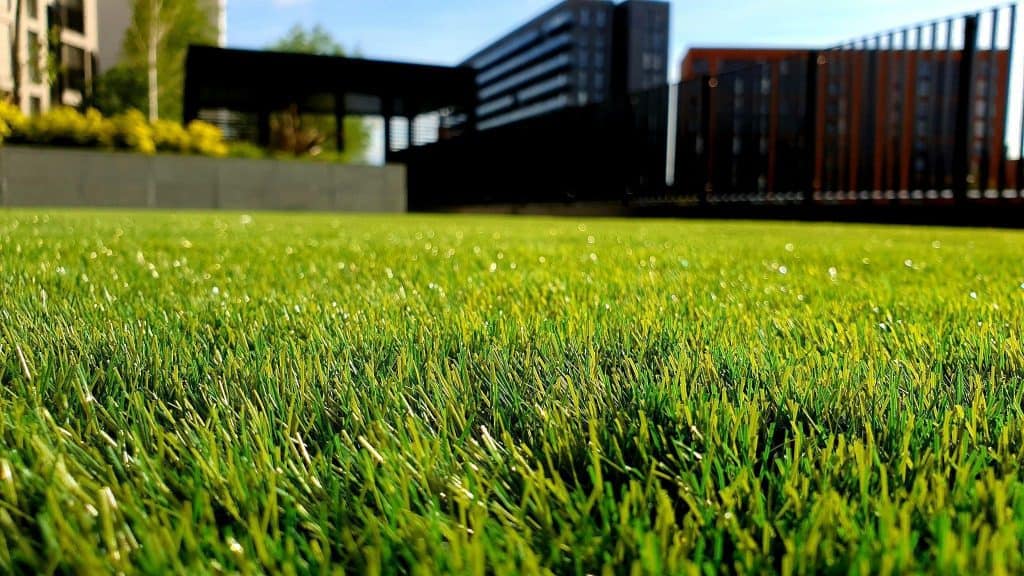
Photo by Petar Tonchev on Unsplash
Excess moisture can damage healthy grass just as easily as drought conditions. Water that repeatedly pools in the same areas limits oxygen movement beneath the soil and gradually weakens root systems over time. Even shallow puddles that disappear after a few hours may signal larger drainage problems underneath the surface.
These conditions often develop near downspouts, sloped yards, clay-heavy soil, or sections of the lawn where runoff consistently collects after storms. Grass exposed to recurring oversaturation usually becomes softer, thinner, or discolored compared to surrounding areas. Moist soil also creates conditions where fungal growth spreads more easily during humid weather.
Drainage issues become more difficult during seasonal transitions when rainfall patterns change quickly. A lawn that handles moisture well during spring may struggle significantly once summer heat and humidity combine with poor airflow and compacted ground.
Shade and Humidity Often Work Together
Grass growing beneath trees or beside dense landscaping faces a different type of environmental pressure. Shade alone does not necessarily damage lawns, but reduced sunlight combined with trapped humidity often creates difficult conditions for healthy turf. Certain sections remain damp much longer after rain or morning dew because airflow becomes limited near the ground.
Over time, these shaded areas may begin thinning gradually while sunnier sections remain healthy. Fallen leaves, dense shrubs, and crowded landscaping can increase the problem by holding moisture near the surface throughout the day. In many neighborhoods, homeowners trying to restore patchy grass during humid seasons eventually spend more attention on soil balance and lawn density after hearing tips and tricks from companies like Lawn Synergy.
Humidity-related lawn stress tends to build slowly because the damage is rarely dramatic at first. Grass simply becomes weaker over time and struggles to recover fully during seasonal weather changes.
Seasonal Debris Can Slowly Suffocate Grass
Leaves, fallen branches, pollen, and organic debris may seem harmless at first, but repeated buildup can slowly damage healthy lawns. Thick layers block sunlight, trap excess moisture, and reduce airflow around the grass below. This creates an environment where fungal problems and surface decay become more likely during damp weather.
Wet leaves are especially harmful because they compress tightly against the lawn and prevent the grass from drying properly. Areas near fences, gutters, and tree lines often collect the heaviest buildup after storms or windy conditions. Even smaller amounts of debris can gradually weaken grass if moisture remains trapped underneath for extended periods.
Many lawns recover temporarily once debris is removed, but repeated seasonal stress often leaves the turf thinner and less resilient each year. Over time, affected sections become more vulnerable to drought, heat, and inconsistent weather patterns.
Homeowners dealing with persistently stressed or patchy sections sometimes shift toward low-maintenance ground cover options rather than continuing seasonal repair cycles. Synthetic turf has become a practical consideration in high-stress areas of the yard — particularly where heat reflection, poor drainage, or heavy shade have made it difficult to sustain natural grass over time.
Wind Exposure Can Dry Out Lawns Faster
Wind exposure is another outdoor condition that gradually affects lawn health without drawing much attention. Properties near open land, large paved areas, or elevated terrain often experience faster moisture loss because wind continuously dries the soil surface throughout the day.
This creates uneven growing conditions across the yard. Some areas remain healthy while exposed sections lose moisture far more quickly between watering cycles. Grass dealing with constant drying conditions may eventually develop shallow roots that cannot tolerate prolonged heat or dry weather.
When wind combines with reflected heat and compacted soil, lawns become even more vulnerable to long-term stress. The damage usually develops slowly, which makes it harder for homeowners to recognize the environmental conditions affecting healthy grass before visible decline finally appears.