
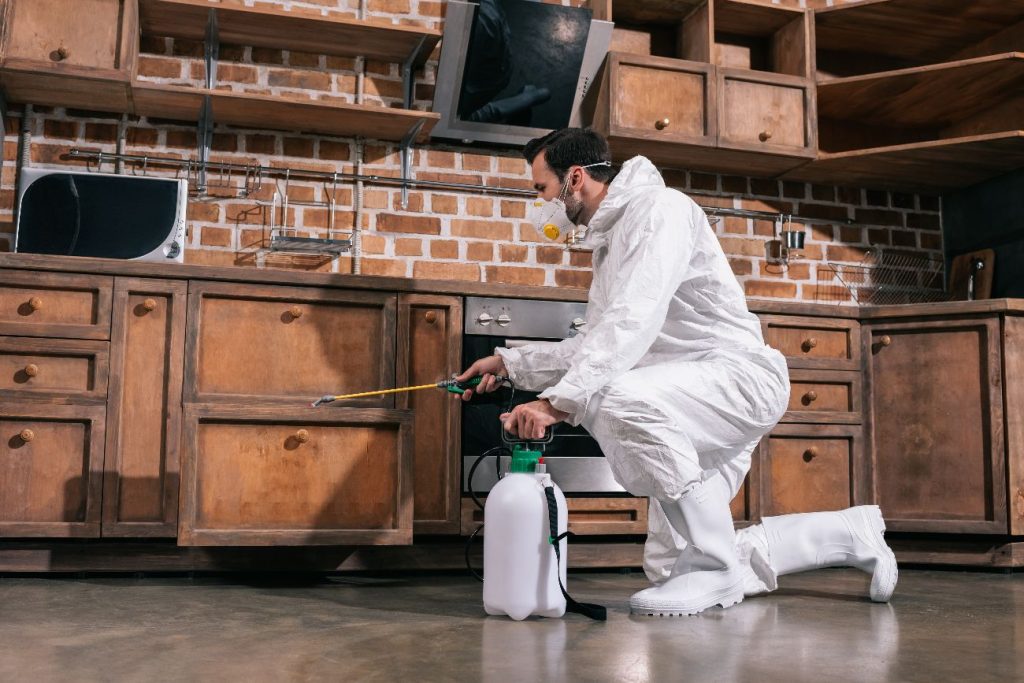
Packing up belongings for storage requires a lot of effort. People worry about theft or water damage during the process. Creepy crawlers can quietly ruin fabrics, wood, and paper products.
Nobody wants to unpack a collection of boxes only to find holes chewed through family memories. Taking proper precautions prevents unwanted insects from taking over your storage space. Here are six simple adjustments you can incorporate.
Choose the Right Storage Environment
Finding a clean and secure location stands as the first line of defense. Selecting flexible month-to-month storage units offers renters great control over their timeline and space needs. Look for facilities with solid concrete floors and well-maintained perimeters. Gaps under doors or cracks in walls invite trouble.
Good lighting around the facility discourages nocturnal pests from nesting near your unit. Walk around the property during the day to look for cleanliness. Well-managed properties rarely suffer from severe infestations.
Inspect the Facility Thoroughly
Before moving heavy boxes into a space, incorporate a careful walkthrough. Check for signs of insects and choose climate-controlled spaces to reduce humidity. Moisture attracts many species of beetles and silverfish.
Walk around the corners and look for tiny droppings or webs. Small traps placed near the entrance can show if anything crawls inside. Run your hand along the walls to feel for damp spots. Damp environments cause mold, a food source for certain bugs.
Look closely at the floor for dead insects or small piles of sawdust. Sawdust indicates wood-boring insects like termites or carpenter ants. Catching these signs early prevents a major disaster for your wooden furniture.
Monitor the Timeline of Your Belongings
Bugs multiply much faster than most people realize. The most common storage pests take about 30 days to develop fully. Leaving boxes unchecked for months gives colonies time to grow.
Regular visits disrupt the quiet environment that insects prefer. Shaking out blankets or moving boxes around ruins their hiding spots. A quick monthly check lets you catch an issue before it turns into a major problem.
Set a reminder on your phone to visit the site regularly. Spending just 15 minutes checking your inventory keeps pests from settling down. Bring a flashlight during your visits to peer into dark corners. Moving a few boxes around verifies that no hidden nests are forming.
Check All Openings and Seals
Tiny entry points allow small animals and insects to breach a unit. Rodents can squeeze through gaps as small as 1.5 centimeters. Examine the rubber seals around the main door to make sure they fit tightly. Sweeping the area clear of debris helps the door close flat against the ground.
Weatherstripping can fix small gaps easily: a quick fix that saves $100s in structural damage.
Look at the ceiling joints and corners for any light filtering in from outside. Inform the facility manager immediately if you spot any structural holes.
Check the ventilation grates to see if they have fine mesh screens. Missing screens let flying insects like moths and wasps to enter freely. Small repairs to seals block out unwanted visitors effectively.
Ditch Cardboard for Plastic Containers
Cardboard boxes act like magnets for silverfish and crickets since they love the glue and paper. Upgrading to heavy-duty plastic totes keeps your items secure. Consider these advantages of plastic storage bins:
- Heavy plastic blocks teeth and claws from chewing through
- Tight lids seal out moisture and dust
- Stackable designs maximize vertical space safely
Plastic bins cost more upfront but save money by preventing ruined clothes. Clear bins make finding specific items fast and simple. Spending a few extra dollars on bins protects expensive electronics and heirlooms.
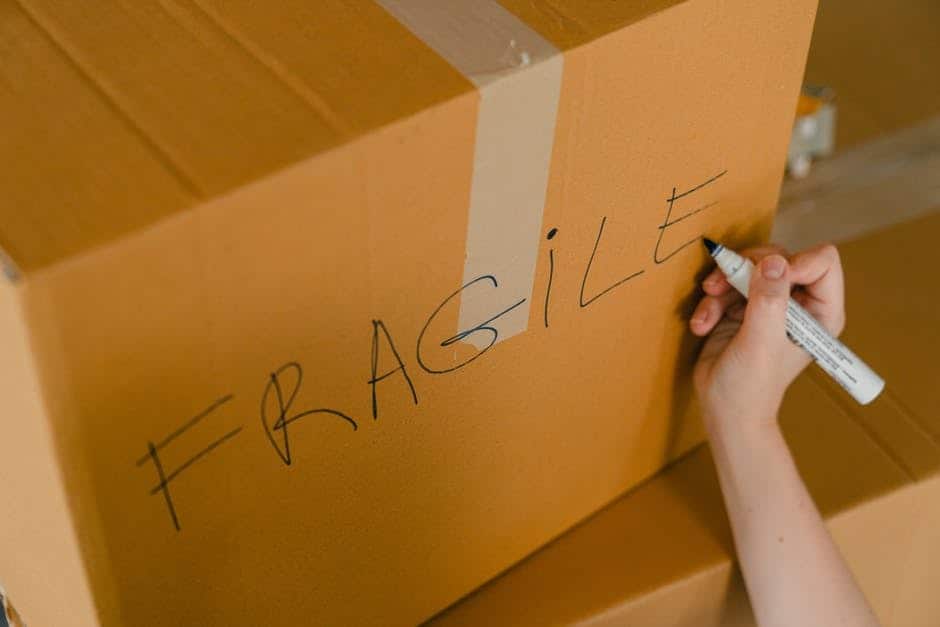
Label each bin clearly with a waterproof marker on the outside. Labeling helps you locate items without opening every single lid. Keeping lids sealed tight maintains a strong barrier against bugs.
Clean Items Before Packing Them Away
Food crumbs and stains draw ants and roaches from miles away. Wash all clothing and blankets before folding them into bins. Leftover scents of sweat or food invite pests to feast on natural fibers.
Vacuum upholstered furniture and wipe down table surfaces with vinegar. Never store perishable goods, pet food, or cardboard grocery boxes. Clean items remain safe and odor-free throughout their stay.
Wrap cleaned mattresses and couches in protective plastic sheathing. Seal the edges with packing tape to block bugs completely. Avoid using cardboard boxes from grocery stores to pack your goods, as these boxes may carry hidden insect eggs or residual food odors. New packaging materials prevent the introduction of pests into your clean unit.
Protecting stored items from bugs takes a little planning and effort. Combining the right packing materials with a clean facility keeps your belongings safe.
Regular inspections prevent surprise infestations from ruining family keepsakes and furniture. Taking these steps gives you confidence that your goods remain intact. Safe storage practices save money and protect valuable memories.