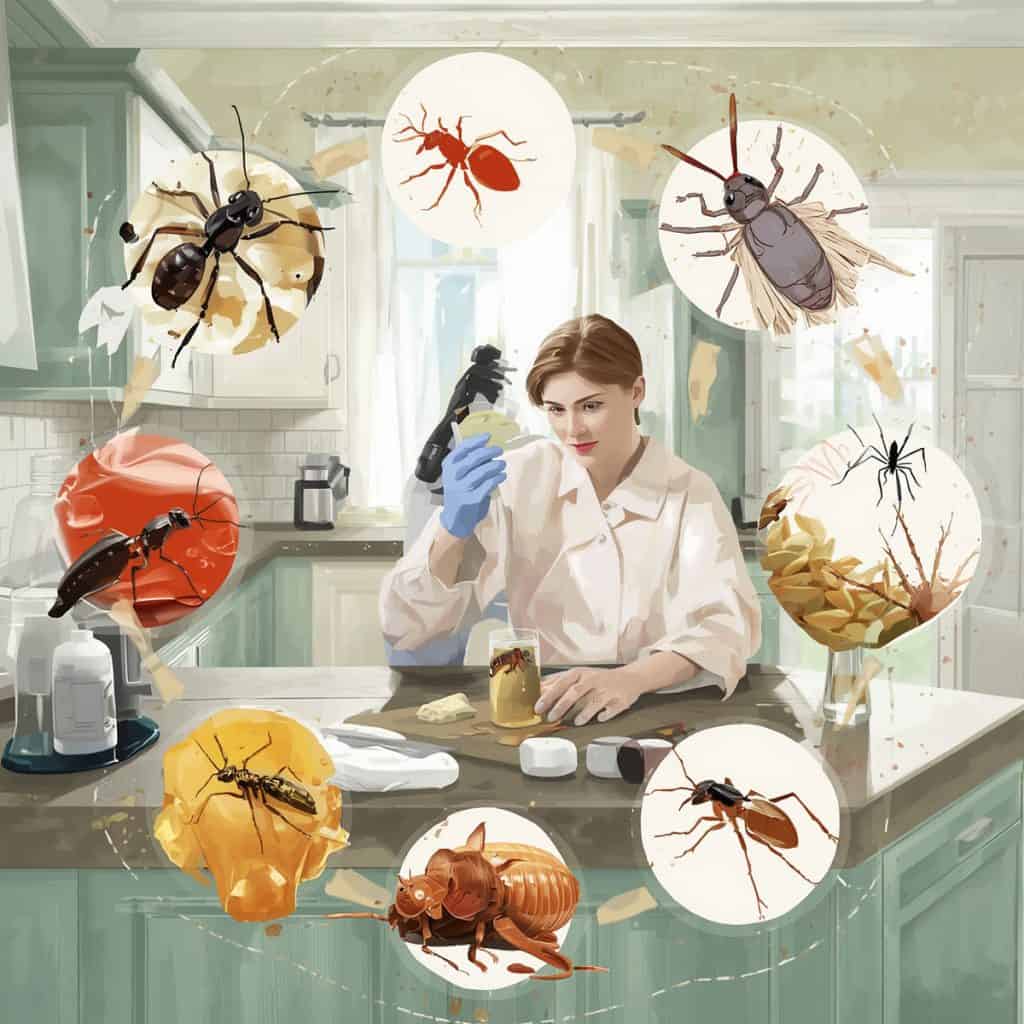

Moth infestations are a common household pest issue that can damage clothing, carpets, upholstery, and stored food products. While adult moths may appear harmless, their larvae can cause significant damage to natural fibers and pantry goods if infestations are left untreated.
Understanding how moth infestations develop, and how they can be eliminated or prevented, is essential for homeowners and businesses. This article provides an in-depth overview of moth infestations, the risks they pose, treatment methods, prevention strategies, and the role of professional moth exterminator services and pest advice platforms in managing these problems.
Understanding Moth Infestations
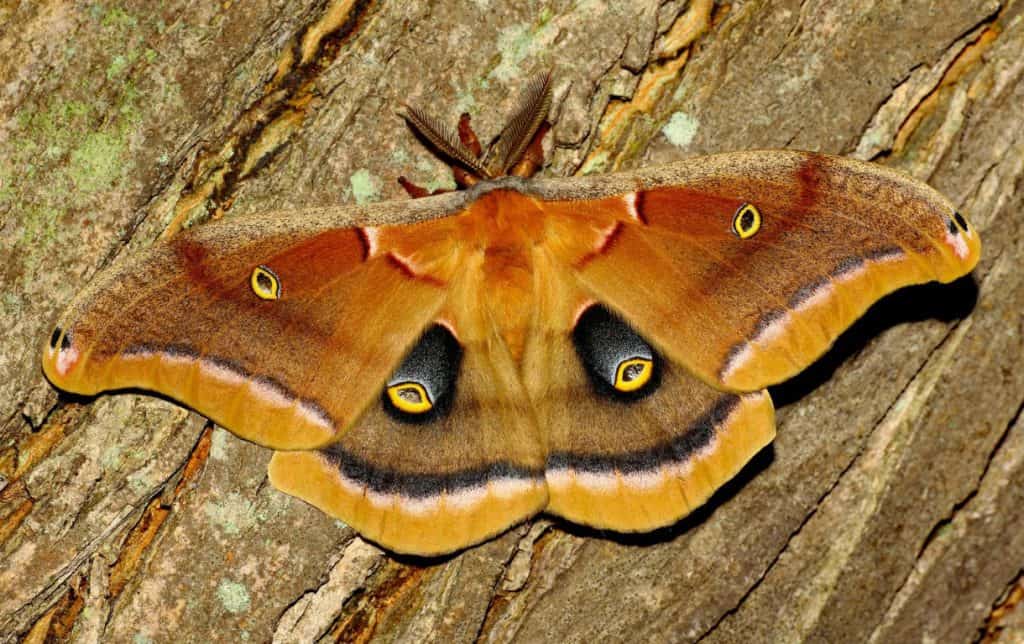
Moths are insects belonging to the order Lepidoptera, which also includes butterflies. While many moth species live harmlessly outdoors, several types are considered pests when they invade homes or commercial buildings. Two of the most common indoor moth pests include clothes moths and pantry moths.
Clothes moths typically target natural fibers such as wool, silk, fur, feathers, and certain carpets. The larvae feed on keratin-containing materials found in these textiles, causing holes and structural damage. Pantry moths, on the other hand, infest stored foods such as grains, flour, nuts, dried fruits, and cereals.
Many people first notice a moth infestation only after seeing damage to fabrics or discovering larvae in stored food products. Signs of infestation may include irregular holes in clothing, larvae casings attached to fabrics, silky webbing, or adult moths flying around indoor spaces.
Once moths establish themselves inside a property, they can spread to other areas if left untreated. Because adult moths lay eggs in hidden locations such as closets, carpets, or pantry shelves, the infestation may grow unnoticed until it becomes widespread.
For homeowners dealing with persistent infestations, professional pest control services can help identify the source of the problem and apply targeted treatments to eliminate moth populations effectively.
Professional Moth Exterminator Services
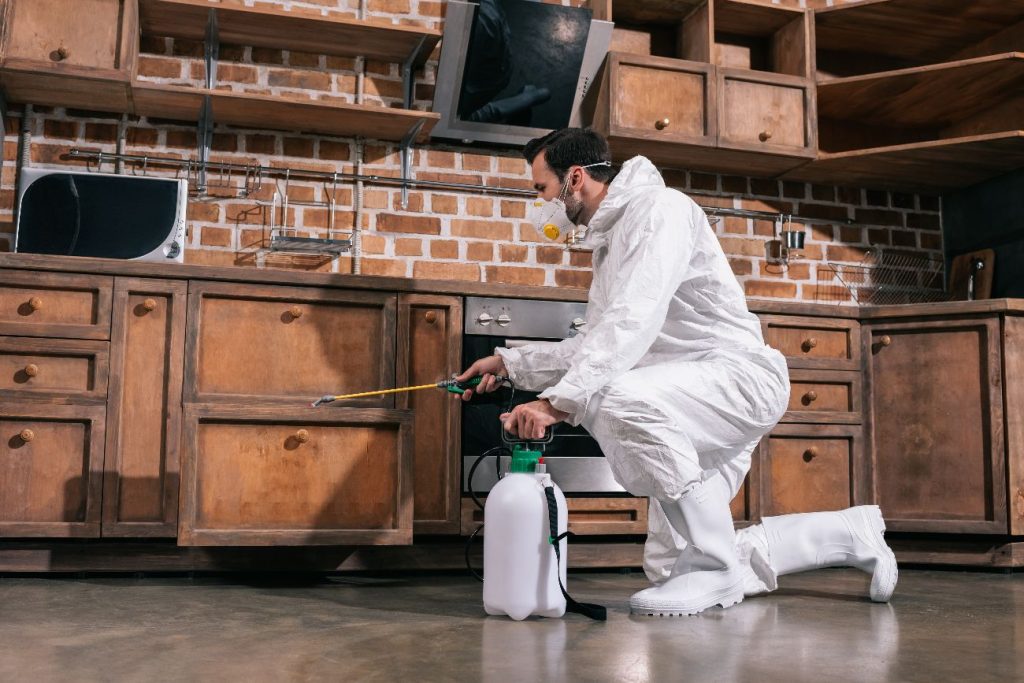
Professional pest control companies specialize in identifying, treating, and preventing pest infestations. Moth Exterminator services focus specifically on eliminating moth infestations through specialized treatment methods. The process typically begins with a property inspection to determine the extent of the infestation and identify the species involved. Once the assessment is complete, technicians recommend appropriate treatment options.
Professional treatments may include heat treatment, fumigation, or a combination of approaches, depending on the severity of the infestation.
Check this out: mothexterminator.co.uk
The Life Cycle of Moths and Why Infestations Spread
Understanding the life cycle of moths is key to controlling and eliminating infestations effectively. Most moth species go through four stages of development:
- Egg
- Larva
- Pupa
- Adult
Female moths can lay up to several hundred eggs during their lifetime. These eggs hatch into larvae that actively feed on fabrics, food sources, or organic materials, depending on the species.
The larval stage is responsible for most of the damage associated with moth infestations. As larvae feed and grow, they leave behind webbing, debris, and characteristic holes in materials. Eventually, they form cocoons and enter the pupal stage before emerging as adult moths that continue the cycle.
The entire life cycle of certain moth species may last between 60 and 90 days under favorable conditions. This relatively short cycle allows populations to grow rapidly if the infestation is not addressed promptly.
Environmental factors such as warmth, humidity, and the presence of undisturbed fabrics or food sources can accelerate infestation growth.
Common Types of Moth Infestations
Clothes Moths
Clothes moths are among the most destructive indoor pests affecting fabrics and textiles. These moths are attracted to natural fibers that contain keratin, a protein found in wool, fur, feathers, and hair.
Larvae feed on these materials to obtain nutrients required for development. As a result, infested clothing, carpets, and upholstery may develop irregular holes or thinning areas.
Clothes moths tend to prefer dark, undisturbed environments such as wardrobes, closets, and storage boxes. Regular disturbance, sunlight exposure, and ventilation can help discourage them from settling in these areas.
Pantry Moths
Pantry moths infest stored food products rather than fabrics. These pests lay eggs in food packaging, especially in grains, flour, cereals, nuts, and dried foods.
Once the eggs hatch, larvae feed on the food supply and leave behind webbing and debris. Contaminated food products often must be discarded to prevent the infestation from spreading.
Proper storage of food in airtight containers is one of the most effective preventive measures against pantry moth infestations.
Signs of a Moth Infestation
Detecting an infestation early can help reduce the amount of damage caused by moth larvae. Some of the most common warning signs include:
- Small holes appearing in clothing or textiles
- Larvae casings attached to fabrics
- Silky webbing in clothing, carpets, or pantry items
- Adult moths flying or crawling indoors
- Crusty deposits or debris on fabrics
These signs often appear after the infestation has already begun spreading. Because moth larvae are small and may hide deep inside fabrics or pantry items, infestations can develop unnoticed for weeks or months.
DIY Moth Control Methods
Before seeking professional moth exterminator services, some homeowners attempt to address moth infestations using do-it-yourself methods. While these approaches may help manage minor infestations, they are not always sufficient for severe cases.
Heat Treatment
Heat can be used to kill moths at various life stages. Washing clothing or fabrics in hot water at temperatures above approximately 49°C can destroy larvae and eggs.
Clothes dryers on high heat settings can also achieve similar results.
Freezing Infested Items
Freezing is another commonly recommended method for killing moths and their eggs. Infested items can be sealed in plastic bags and placed in a freezer for at least 72 hours to ensure effective elimination of larvae and eggs.
However, the temperature must be sufficiently low, around −18°C or below, to be effective.
Sunlight and Ventilation
Moths prefer dark and undisturbed environments. Regularly airing out closets, exposing fabrics to sunlight, and improving ventilation can make storage areas less hospitable for moth populations.
Natural Repellents
Natural repellents such as lavender, cedar, rosemary, and cloves are often used to deter moths from settling in closets or drawers.
While these scents may discourage moth activity, they do not kill larvae or eliminate existing infestations.
Limitations of DIY Moth Control
Although DIY methods can help manage minor infestations or prevent new ones from forming, they often fail to eliminate severe infestations completely.
Moth eggs and larvae may hide deep inside carpets, upholstery, or structural materials where household treatments cannot reach. Even if visible moths are removed, hidden eggs can hatch later and restart the infestation.
Because of these limitations, professional pest control services are often necessary when infestations become widespread.
Heat Treatment for Moth Control
Heat treatment is considered one of the most effective methods for eliminating moth infestations.
During this process, specialized heating equipment raises the temperature of affected areas to levels that are lethal to moths at every stage of their life cycle, including eggs, larvae, and adults.
Temperatures are typically maintained at approximately 50–60°C for a set period to ensure thorough extermination.
One advantage of heat treatment is that it penetrates areas that chemical insecticides may not reach, such as beneath carpets or inside furniture.
Another benefit is that heat treatment usually requires fewer chemicals, which can be preferable for households concerned about pesticide exposure.

Fumigation and Chemical Treatments
In some cases, chemical fumigation may be used alongside other treatment methods to eliminate remaining pockets of infestation.
Fumigation involves the use of insecticides that target adult moths and larvae in hidden areas. After treatment, occupants are typically required to vacate the property for several hours while the chemicals settle.
Chemical treatments may also provide a residual effect that helps prevent reinfestation.
However, these treatments must be applied carefully by trained professionals to ensure safety and compliance with pest control regulations.
Preparing a Property for Moth Treatment
Before professional treatment begins, property owners may need to take several preparatory steps.
These preparations often include:
- Vacuuming carpets and rugs
- Removing clutter from treated areas
- Moving furniture away from the walls
- Washing clothing and fabrics, if necessary
- Removing food products in cases of pantry infestations
Proper preparation helps ensure that extermination treatments reach all affected areas effectively.
Preventing Future Moth Infestations
After eliminating an infestation, preventive measures are important to avoid future problems.
Some of the most effective strategies include:
- Regular cleaning and vacuuming
- Storing clothing in sealed garment bags
- Using airtight containers for storing food
- Inspecting stored textiles periodically
- Maintaining proper ventilation in closets and storage areas
Keeping storage areas clean and organized can also make it easier to detect early signs of moth activity.
The Role of Pest Advice Websites
In addition to professional moth exterminator services, informational websites can help homeowners understand pest problems and choose appropriate solutions.
For example, The Pest Advice provides guides, reviews, and recommendations related to pest control. The platform offers educational content about identifying pests, comparing pest control products, and choosing effective treatment options.
The website also promotes an approach known as Integrated Pest Management (IPM), which focuses on solving pest problems while minimizing environmental risks.
Integrated Pest Management (IPM)
Integrated Pest Management is a widely used strategy for controlling pests through a combination of prevention, monitoring, and targeted treatment.
Rather than relying solely on chemical pesticides, IPM encourages a balanced approach that includes:
- Identifying pest species accurately
- Eliminating food sources and entry points
- Monitoring pest populations
- Using targeted treatments only when necessary
This approach aims to reduce environmental impact while maintaining effective pest control.
Educational platforms such as The Pest Advice often promote IPM principles because they provide long-term solutions rather than short-term fixes.
Choosing a Professional Pest Control Provider
When selecting a pest control company, homeowners should consider several factors.
Important considerations include:
- Licensing and certifications
- Experience with specific pest types
- Treatment methods used
- Safety procedures
- Customer reviews or recommendations
Moth exterminator services typically hold certifications from industry organizations and follow regulatory guidelines to ensure treatments are safe and effective.
Companies specializing in moth control often have specialized knowledge of moth biology and behavior, which can improve treatment outcomes.
The Importance of Early Intervention
One of the most important lessons in pest management is that early intervention can significantly reduce the cost and complexity of treatment.
A small infestation may be manageable with simple cleaning and preventive measures, while a larger infestation may require professional treatment and multiple visits.
Because moth populations reproduce quickly, delaying treatment can allow the infestation to spread throughout the property.
Regular inspections of clothing storage areas, pantry shelves, and carpets can help detect problems before they become severe.
Environmental Considerations in Pest Control
Modern pest control practices increasingly emphasize environmental responsibility.
Many pest control companies aim to minimize chemical usage by combining multiple treatment methods such as heat treatment, monitoring, and targeted insecticides.
This approach reduces environmental impact while maintaining effective pest elimination.
Conclusion
Moth infestations can damage clothing, textiles, carpets, and stored food if left untreated. Early detection, proper storage practices, and regular cleaning can reduce the risk of infestations.
When infestations become established, professional moth exterminator services and reliable pest advice resources can help homeowners identify effective treatment options and prevent future problems.