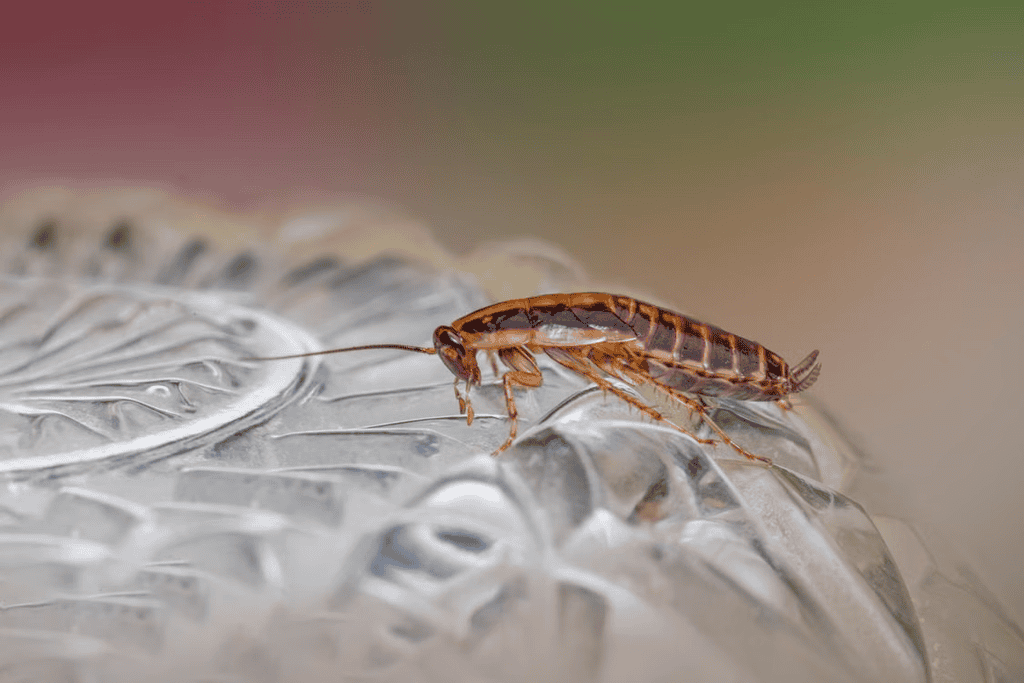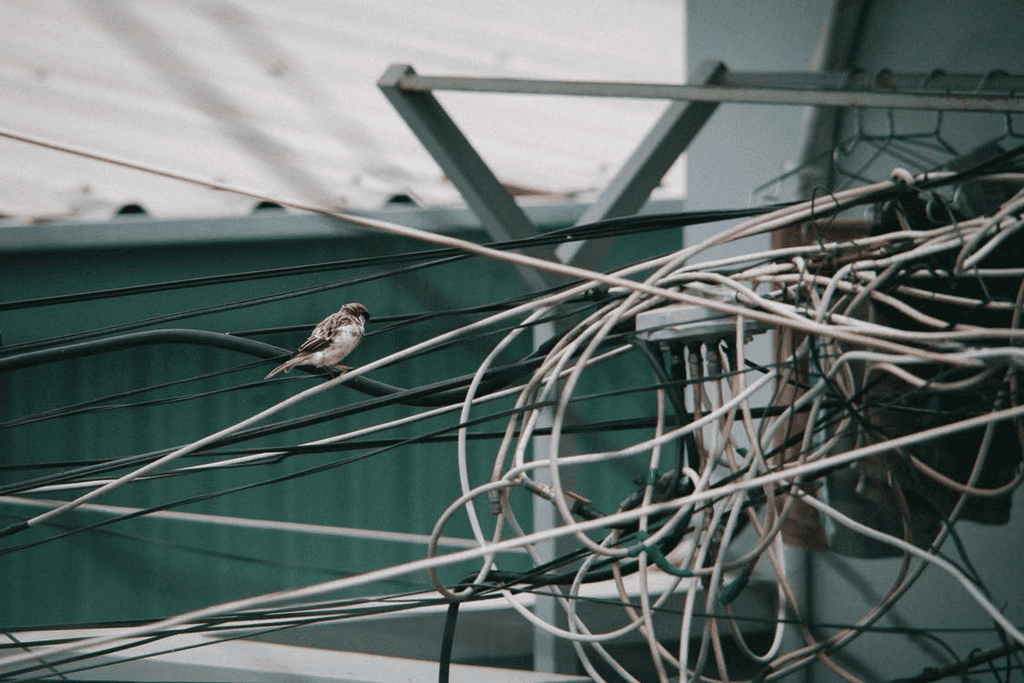
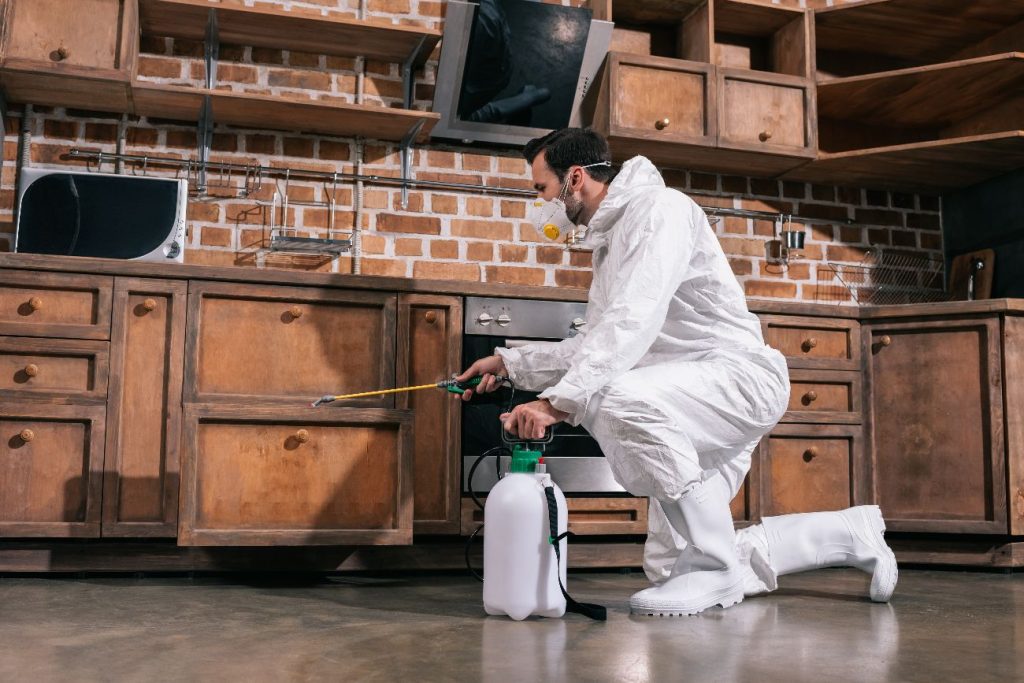
Unwanted critters searching for shelter often find their way inside home heating and cooling units. These hidden spaces offer warmth, protection, and dark corners where insects or rodents can thrive unnoticed. Small pests can create major problems for home equipment over time.
Taking simple preventive steps keeps your indoor air clean and protects expensive machinery. A few basic home updates will block bugs before they create big repair bills. Consistent care keeps your entire system running without unexpected breakdowns.
Seal Cracks Around System Components
Homeowners often overlook small gaps near their ductwork and exterior line sets. Working with local air conditioning specialists helps identify hidden entry points before critters take over. Sealing those tiny spots stops unwanted pests right at the border.
A regional heating and cooling team suggested checking equipment for loose fittings or small holes, then patching them using caulking or durable metal tape. Regular checks keep unwanted visitors out. Taking action early prevents pests from building nests inside dark duct walls.
Small gaps around pipes allow mice or insects into duct networks. Spending 15 minutes with a flashlight and a tube of sealant prevents costly repairs later. Inspecting cabinet seams every season keeps tiny invaders outside.
Clean Attic and Crawl Spaces
Attics and crawl spaces often store hidden mechanical parts that attract insects. Dark environments with high humidity levels lure spiders, beetles, and rodents into home vents. These neglected areas give critters safe pathways into central living spaces.
An air duct maintenance guide noted that keeping attics and crawl spaces dry and well-ventilated reduces moisture that attracts unwanted bugs. Dry environments discourage nesting. Running a dehumidifier in damp spaces protects nearby equipment.
Clearing cardboard boxes and old debris near ductwork removes easy hiding spots. Regular sweeping around indoor equipment keeps the area clean. Clean floor surfaces make it easy to spot pest droppings early.
Install Fine Mesh Screen Covers
Open vent pipes offer an easy path directly into interior living areas. Unprotected flues and exhaust ports draw mice and nesting birds seeking shelter during cold months. Unscreened openings leave your system open to unwanted animal activity.
An industry blog mentioned covering exterior vents with fine mesh screens to block larger animals like birds and squirrels. Heavy-duty wire prevents chewing. Secure metal caps fit tightly over roof vents and side exhaust ports.
Check mesh covers twice every year to clear away leaf buildup or dirt. Sturdy covers maintain steady airflow without letting animals crawl through. Proper airflow keeps your machinery running efficiently all year long.
Maintain Clear Ground Clearances
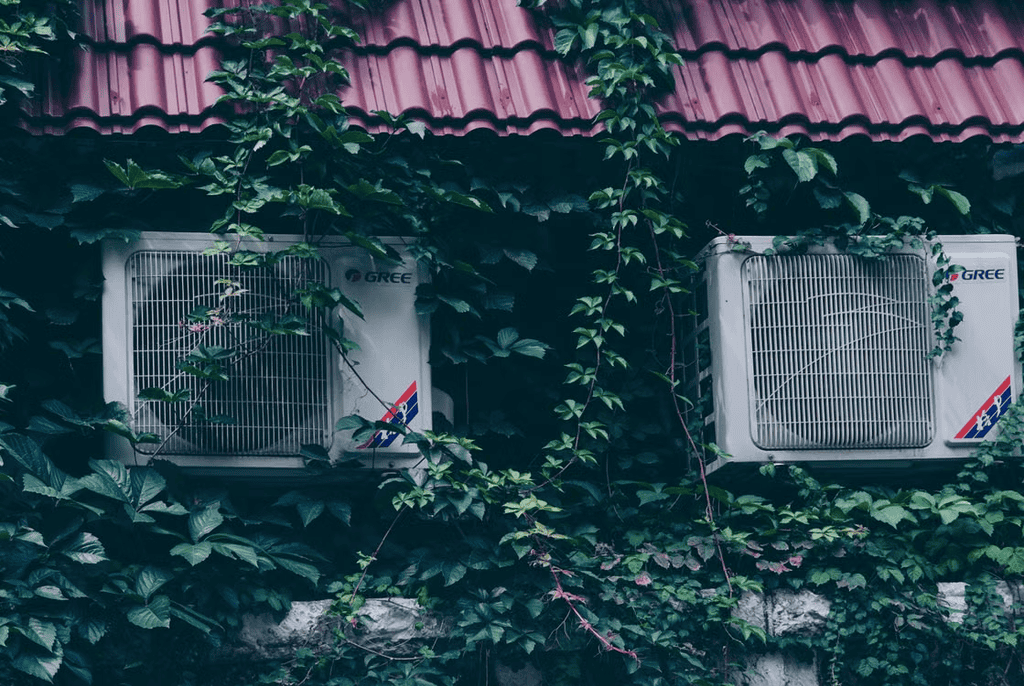
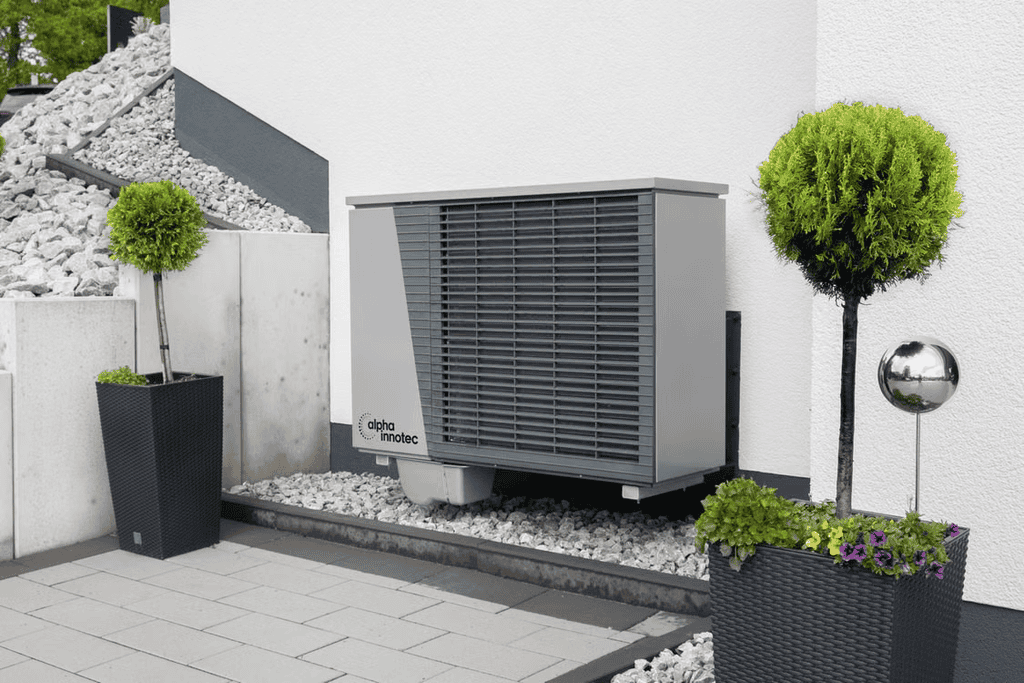
Outdoor condenser units need breathing room to operate efficiently without attracting insects. Tall grass, thick weeds, and fallen leaves give bugs easy access to system cabinets. Pests quickly build nests when plant growth touches metal panels.
Keeping a clear border around outdoor units stops pests from building nests near electrical wires. Simple yard chores lower pest risks around your home exterior. Here are 3 quick yard tasks to protect exterior units:
- Trim bushes back at least 2 feet from metal cabinets.
- Rake away dead leaves and damp mulch every fall.
- Cut long grass around concrete pads weekly.
Maintaining clean borders around ground equipment removes natural bridges for insects. Clean spaces around outdoor boxes lower pest risks significantly. Clear ground clearance keeps air circulating around coils smoothly.
Change Air Filters Regularly
Clogged filters create airflow restrictions and trap organic debris that bugs love. Dust, hair, and pollen accumulation create feeding grounds for tiny dust mites. Dirty filter media provides cover for insects trying to move deeper into ductwork.
Replacing standard filters every 1 to 3 months keeps airflow moving freely. Clean filters capture stray bugs before they enter main duct lines. Routine filter changes protect sensitive components from dust buildup.
Upgrading to pleated filters with a higher MERV rating offers better filtration power. Fresh filters improve household air quality and protect internal coils. High-quality filter materials stop tiny particles and small bugs alike.
Schedule Routine Professional Inspections
Professional maintenance checks detect early signs of pest activity that homeowners might miss. Technicians spot chewed wires, nest materials, or droppings hidden deep inside air handlers. Trained eyes locate problems long before major damage occurs.
Catching small infestations early saves thousands of dollars in potential system repairs. Expert technicians possess special tools to clean hard-to-reach blower assemblies safely. Comprehensive tune-ups eliminate hidden debris from delicate electronic controls.
A spring tune-up keeps cooling systems running smoothly before summer heatwaves. Annual inspections guarantee long equipment lifespans and clean indoor air. Regular service visits keep all system components operating at peak efficiency.
Protecting home cooling and heating units requires small efforts throughout the year. Simple habits like sealing gaps, trimming yard growth, and replacing filters keep pests outside. Small updates today prevent expensive emergency repairs tomorrow.
Taking fast action when you spot early warning signs prevents damage to electrical wiring and ductwork. Clean systems run better and deliver fresh air to every room in your home. Consistent attention preserves home comfort across all 4 seasons.