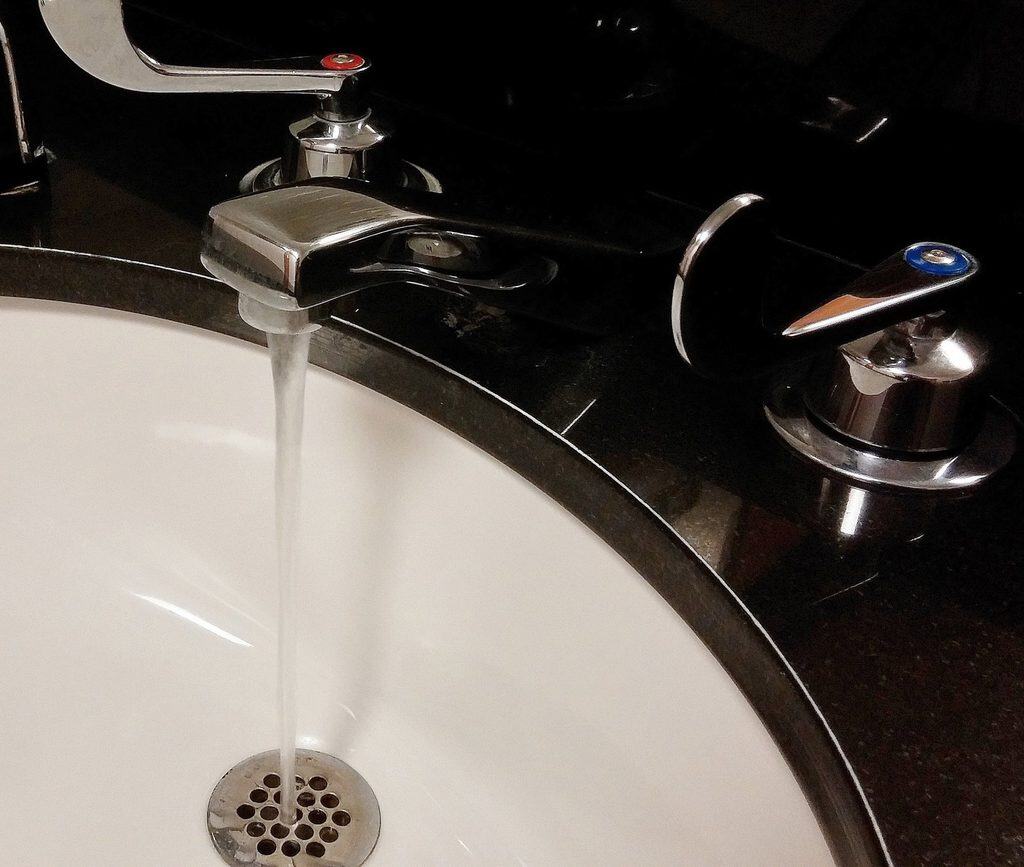
Unpleasant smells around kitchen sinks or shower stalls point to blockages hidden beneath the drain cover. Plumbing obstructions do more than slow down wastewater flow. Dark, restricted pipes create ideal living quarters for unwanted creatures seeking food, shelter, and water.
A better understanding of how blocked plumbing lures pests inside makes it easier to protect your living spaces. Taking simple preventive steps keeps your plumbing clean and prevents common pests from invading your kitchen and bathroom fixtures.
Standing Water Offers Constant Hydration
Standing pools of liquid sit behind dense blockages inside sink traps and branch lines. Pests need reliable water sources to survive, and clogged plumbing supplies consistent moisture right inside your walls. Standing water in hidden plumbing fixtures can sustain entire colonies of pests without detection.
Kitchen debris collects along pipe walls month after month and stops water from flowing freely. Homeowners who notice slow drainage can reach out to drain cleaning experts in Pittsburgh or in their area to clear out stubborn blockages before infestation risks grow. Removing these heavy build-ups eliminates the dark grease layers that insects use for shelter.
Pipes that stay filled with stagnant water create easy drinking access for crawling bugs. Eliminating those standing pockets deprives pests of the liquid they require to thrive indoors.
Trapped Food Waste Supplies a Continuous Food Source
Kitchen sinks handle grease, coffee grounds, and small food particles every single day. As these materials settle inside drainage lines, they build up thick layers of organic sludge. The sludge clings to pipe joints and traps organic matter that would otherwise flush away easily.
Standard clogs containing food debris, coffee grounds, hair, and grease form an ideal habitat for flies. Organic film lining pipe interiors offers a prime breeding habitat for drain flies and acts as a highway for cockroaches. Regular clearing removes this rich food supply before insect populations multiply.
Damp Pipe Walls Provide Ideal Egg-Laying Sites
Insects seek dark, humid spaces to deposit eggs safely away from predators. Clogged drains offer high humidity and protection from household cleaning routines. Damp environments inside restricted pipes protect delicate eggs from drying out before hatching.
A pest management reference explained that female drain flies lay eggs inside damp, clogged pipes, meaning simple swatting cannot fix infestations. Eradicating these pests requires treating the deep blockage itself.
Rapid Fly Reproduction Cycles
Insects reproduce rapidly inside dirty drain lines. A female drain fly can lay up to 300 eggs within 48 hours. Routine pipe scrubbing disrupts these breeding cycles and keeps fly populations under control. Frequent inspections prevent sudden pest surges in household plumbing.
Blocked Drainage Pathways Create Hidden Pest Highways
Pipes connect living spaces directly to municipal sewer systems and outdoor soil lines. When clogs restrict flow, wastewater backup gives pests direct routes into kitchen sinks and bathroom tubs. Unprotected drains open doors for sewer-dwelling organisms searching for fresh food.
Cockroaches frequently enter homes through damp or poorly sealed drains, making regular cleaning and drain covers critical. Sealed covers stop bugs from climbing past traps into living quarters.
Crawling Invasions Beyond Bugs
Insects are not the only pests using plumbing passages. A regional exterminator article listed drain flies, cockroaches, rats, centipedes, and silverfish as common invaders traveling through plumbing systems.
Centipedes and silverfish hunt smaller insects living in clogged sludge. Clearing pipe blockages starves these secondary predators and keeps them out of your home. Removing these food sources discourages larger predators from nesting near plumbing fixtures.
Decaying Matter Produces Strong Odors That Lure Rodents
Food, grease, and hair trapped in pipes break down over days and weeks. Decomposition emits strong odors that drift up through drain openings into home interiors. Warm indoor air pulls these scents upward, advertising food sources to nearby pests.
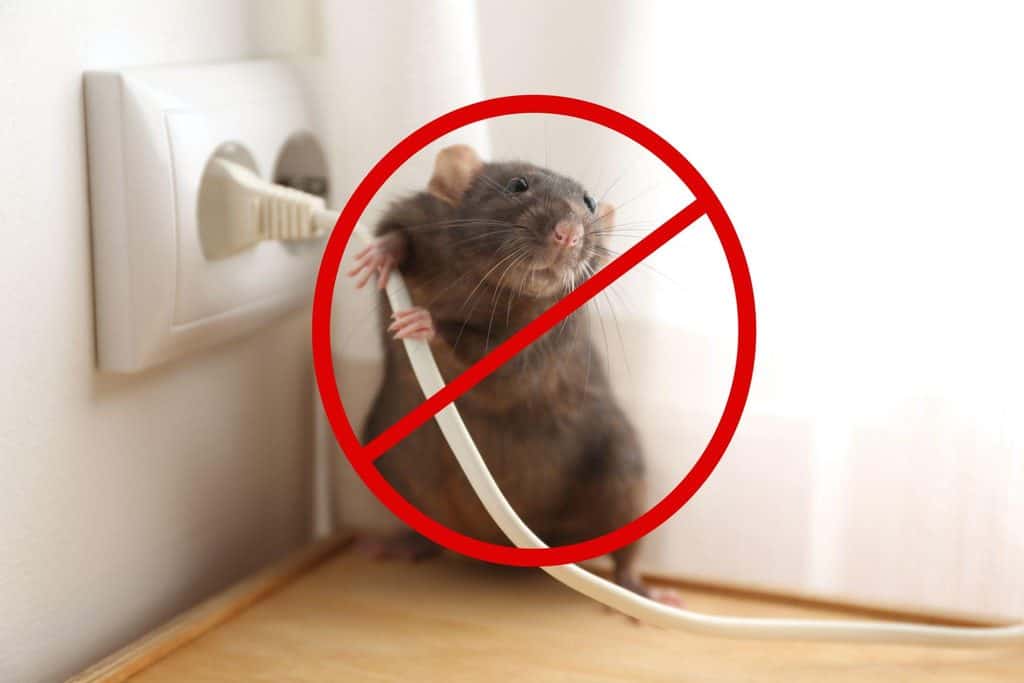
Neglected drains create dark, damp environments rich in organic matter that attract both insects and rodents. Odors are scented trails guiding rats and mice straight toward pipe openings. Rodents can chew through worn plastic pipes or squeeze through minor gaps around drain connections. Keeping drains clean removes smell signals that draw wildlife toward your home foundations.
Simple Maintenance Steps to Protect Your Home Drains
Preventing pest infestations involves basic drain maintenance routines. Taking action before heavy clogs form saves time and protects home sanitation. A simple maintenance checklist includes:
- Flushing kitchen sinks with boiling water every seven days to break down fresh grease buildup
- Installing mesh drain covers across all shower and bathtub outlets to catch loose hair
- Using a bio-enzymatic drain cleaner once every month to dissolve organic slime without damaging pipes
- Scraping food leftovers into compost bins rather than washing scrapings down garbage disposals
Applying these steps stops organic material from collecting inside branch lines. Clean pipes remain dry and clear, leaving pests without food or shelter inside your home. Maintaining proactive cleaning routines minimizes the need for harsh chemical treatments later.
Maintaining clean plumbing lines protects living spaces from unexpected pest problems. Using drain guards, flushing pipes, and scheduling professional drain clearings keep pest attraction factors low. A clean drainage system supports a healthier, pest-free home.