A strong roof keeps weather outside where it belongs. Wild animals and climbing bugs constantly seek warm shelters inside attics. High rooflines offer shelter from ground predators.
Small cracks around shingles give pests direct access to interior spaces. Unsealed openings create nesting spots for squirrels and insects. Taking preventative measures keeps your home secure year-round.
Identifying Common Pest Access Points
Roof lines contain tiny vulnerabilities that attract wild creatures. Small openings under shingles or vents offer easy paths for pests searching for shelter. Unchecked openings quickly become main highways into living spaces.
Rotted decking strips create weak points near roof edges. Small rodents gnaw through softened trim boards within days. Identifying these spots early prevents animal entry.
Homeowners must check their property lines routinely for structural damage. Hiring local roofing services helps spot hidden gaps near the ridge caps before pests enter. Early detection saves homeowners thousands of dollars in structural repairs.
Regular roof inspections can help homeowners find small openings before they become larger problems. Pay close attention to damaged vents, loose flashing, cracked seals, and gaps around chimneys.
Trimming tree branches away from the roof can reduce easy access for squirrels and other climbing animals.
Keeping gutters clear can protect roof edges from moisture damage that creates weak spots. Simple preventive maintenance can help keep unwanted wildlife outside where it belongs.
Trimming Overhanging Tree Branches
Tree branches touching the roof act as direct pathways for invaders. Subterranean termites can use branches as bridges to access structures. Overhanging limbs allow insects to crawl past physical barriers on the ground.
Low branches shade roof tiles and trap damp air. Damp conditions attract insects that feed on moist wood. Cutting back dense branches keeps shingles dry.
Trimming tree limbs back 6 feet creates an open gap. Clear space stops pests from jumping onto roof tiles. Regular tree care keeps branches well away from delicate building materials.
Repairing Damaged Shingles And Fascia
Broken shingles and rotting fascia boards invite destructive pests into the home. Pest control experts note that homeowners should repair fascia and rotted roof shingles since some insects are drawn to deteriorating wood. Weakened timber creates easy entry points for burrowing pests.
Loose shingles allow driving rain to soak underlying plywood. Soaked plywood quickly becomes soft enough for pests to chew through. Regular roof maintenance prevents soft spots from developing.
Replacing damaged wooden boards strengthens the outer defense line. Strong materials keep pest colonies from invading attic spaces. Quick repairs keep moisture from softening roof supports further.
Sealing Gaps And Attic Vents
Small cracks along roof edges provide entry routes for flying animals. A university publication explains that eliminating openings and sealing cracks before bats move in represents the most critical step to prevent entry. Closing open cracks keeps wild animals from nesting in rafters.
Attic spaces offer quiet environments for wildlife to build nests. Unsealed gable vents allow birds and squirrels to enter attic spaces. Installing durable barriers keeps wildlife outside where it belongs.
- Installing wire mesh over attic vents stops bats and squirrels.
- Sealing gaps near chimney flashing stops small insects.
- Covering soffit openings prevents birds from building nests.
Checking sealed gaps twice a year maintains solid protection. Strong seals withstand heavy winds and heavy rain. Keeping vents covered shields indoor spaces without stopping airflow.
Cleaning Gutters And Removing Debris
Clogged gutters hold standing water, dead leaves, and organic matter. Wet organic matter provides ideal breeding conditions for crawling insects. Stagnant water attracts pests directly to the lower roof edge.
Heavy organic debris blocks water flow during heavy rainstorms. Overflowing water runs behind fascia boards and rots roof decking. Rotten decking allows pests to burrow directly into rafters.
Cleaning gutters twice a year keeps rainwater flowing freely into downspouts. Clearing leaves prevents pests from hiding beneath roof edges. Clean drainage channels protect fascia boards from rot and decay.
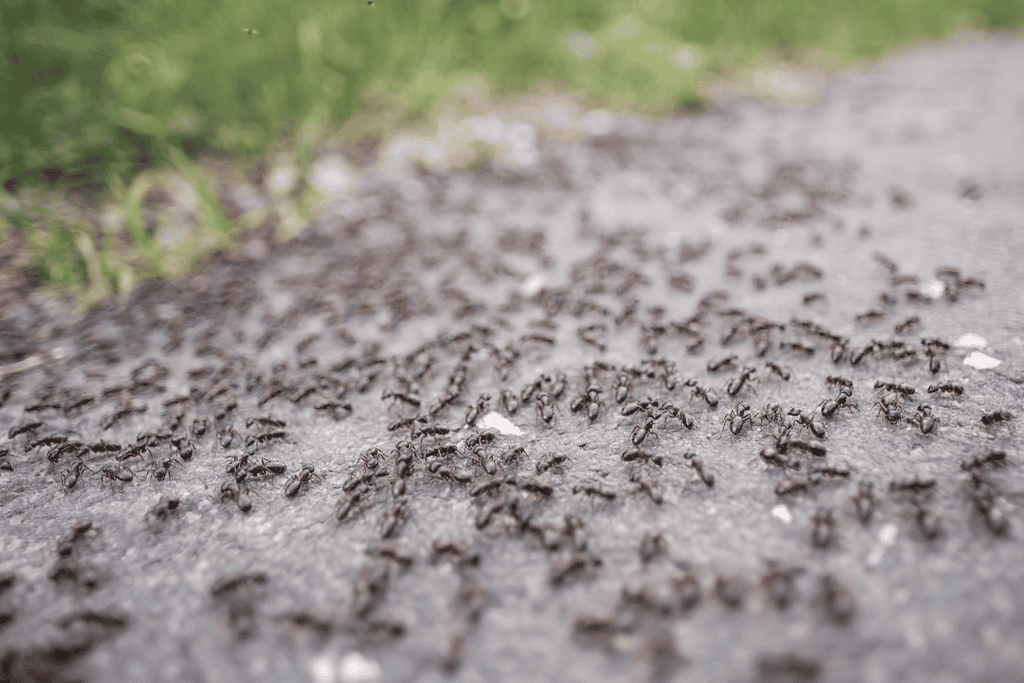
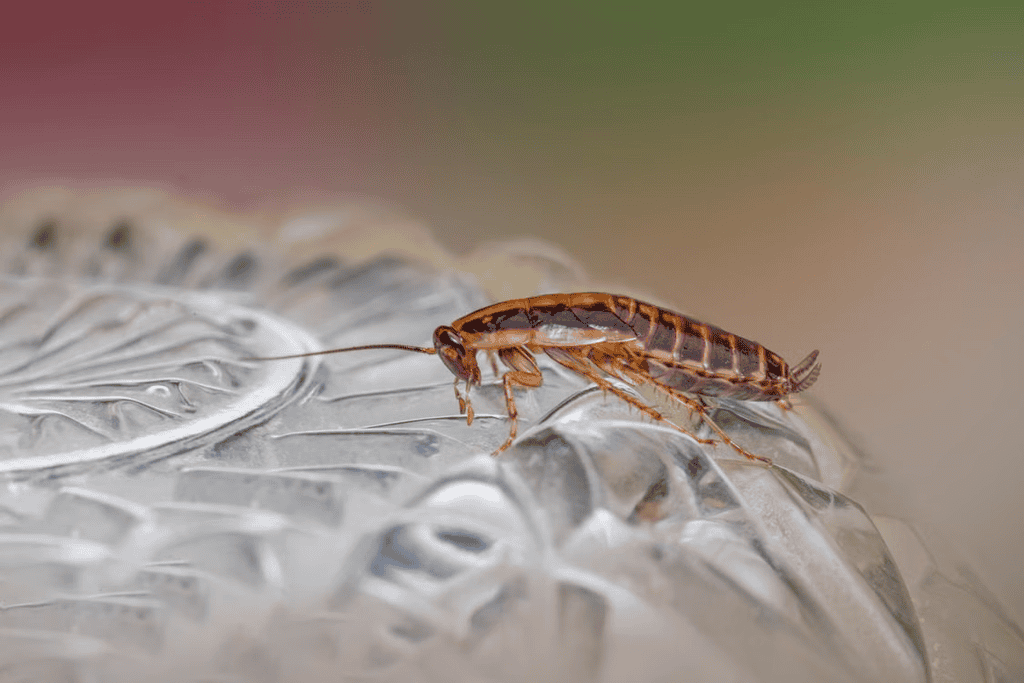
Image source:https://unsplash.com/photos/a-lot-of-bugs-that-are-on-the-ground-yaK5It0P0Gc
Scheduling Professional Roof Inspections
Professional roofers recognize minor structural damage before pests discover it. Experienced technicians inspect hidden corners, soffits, and ridge vents thoroughly. Early repairs prevent small defects from turning into major infestation points.
Roofing experts possess specialized tools to detect hidden moisture under shingles. Trapped moisture signals early rot before visible damage appears on ceiling drywall. Fixing hidden rot keeps wood-destroying insects away.
Regular inspection schedules save property owners money over many years. Professional maintenance preserves roofing materials and keeps indoor spaces clean. Staying proactive keeps wild pests outside permanently.
Proactive maintenance protects your entire home from pest damage. Sealing entry points and repairing weak spots keeps unwanted animals outside.
Routine care preserves your property value and keeps indoor spaces safe. Simple maintenance habits stop costly pest problems before they begin.