

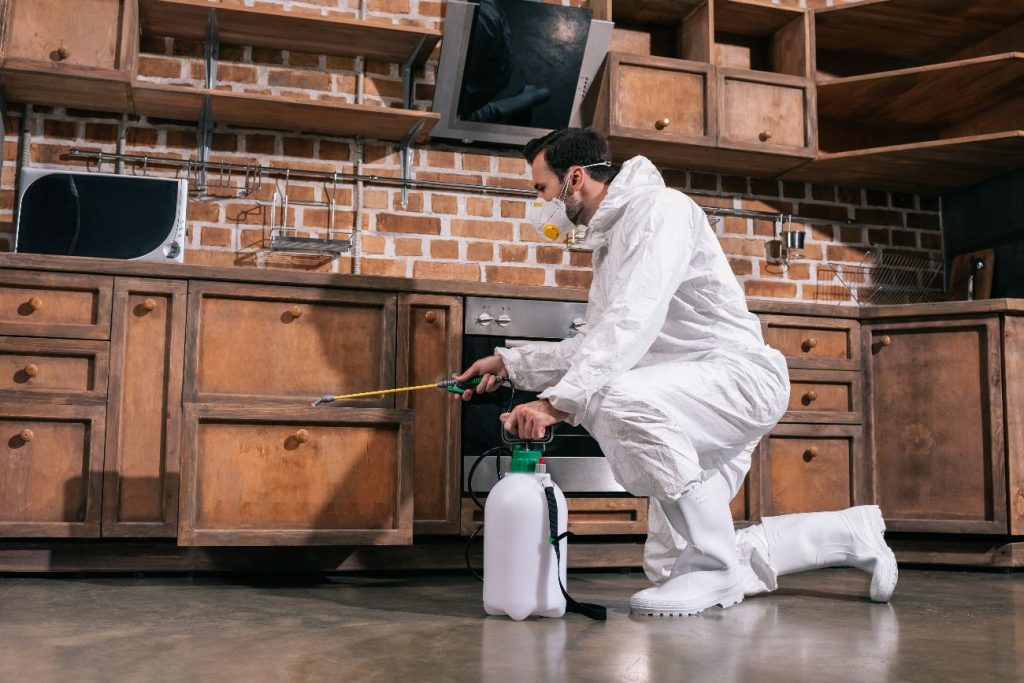
Managing environmental hygiene across commercial properties and corporate complexes in Southeastern Wisconsin involves overcoming severe lacustrine weather fluctuations, chemical deicing salt tracking, and recirculated indoor air contaminants. Throughout winter freeze intervals, high-density corporate facilities operate within sealed building envelopes to conserve thermal energy, inadvertently concentrating respirable particulates and biological pathogens inside indoor breathing zones. Shared commercial touchpoints—including elevator buttons, access keypads, conference room tablets, and breakroom fixtures—rapidly accumulate microbial films that accelerate cross-infection and elevate workplace absenteeism. Concurrently,pedestrian traffic tracks corrosive calcium chloride brine and abrasive quartz aggregate across building vestibules, grinding into luxury vinyl tiles, etching terrazzo, and matting carpet pathways. Superficial janitorial routines that merely empty wastebaskets and push dry mops fail to neutralize chemical brines or interrupt microscopic pathogen transmission. Resolving these operational hurdles requires shifting toward structured,commercial-grade surface decontamination and substrate care protocols.
When seeking to protect capital flooring investments and maintain sterile work environments, contracting specialized commercial cleaning services milwaukee ensures that corporate facilities undergo systematic decontamination tailored to high-density occupancy demands. Experienced facility hygiene technicians from Badger Luxe Cleaning deploy industrial sealed HEPA particulate extractors, color-coded microfiber containment protocols, and neutral-pH chelating detergents to systematically restore commercial environments across diverse business sectors.
Establishing disciplined sanitization intervals prevents abrasive mineral soils from degrading protective architectural coatings while interrupting continuous microbial transmission chains. Methodical facility governance safeguards expensive interior substrates, optimizes indoor air purity, and supports employee wellness across demanding corporate environments.
High-Contact Touchpoint Decontamination and Cross-Contamination Barrier Systems
Commercial corporate environments contain hundreds of interconnected touchpoints that serve as high-risk transmission vectors for viral and bacterial pathogens. Workstation peripherals, telephone handsets,conference table panels, and vending machines accumulate cutaneous lipids and respiratory droplets throughout operational shifts. Conventional cleaning routines using dry rags or low-efficacy cleaners merely distribute these microbial bio-burdens across larger surface areas. Professional pathogen mitigation requires applying hospital-grade, EPA-registered disinfectants formulated with certified kill claims against enveloped viruses, norovirus, and bacteria.
Achieving complete microbial destruction requires strict adherence to manufacturer-specified chemical dwell periods. Surface disinfectants must remain visibly wet on non-porous surfaces for designated contact windows—typically between two and ten minutes—to denature viral capsid structures and lyse bacterial cell walls. Furthermore, commercial sanitation protocols implement rigorous color-coded microfiber systems to prevent biological cross-contamination between functional facility zones. Technicians isolate red microfiber textiles strictly for restroom sanitary fixtures, blue cloths for administrative workstations, and green cloths for employee dining spaces. Densely woven synthetic microfiber filaments carry an electrostatic charge that locks microscopic contaminants inside internal capillary networks, preventing the mechanical transfer of enteric microbes onto culinary surfaces.
Industrial Particulate Extraction, Road Brine Neutralization, and Air Quality Governance
In addition to biological mitigation, managing heavy dry mineral soils is critical for preserving commercial flooring assemblies and supporting pulmonary wellness. Low-pile carpet tiles and resilient vinyl installations sustain relentless physical trauma from tracked-in road gravel, crystalline salts, and pulverized quartz dust.Without deep mechanical extraction, hard crystalline edges slice into carpet fibers under rolling office chair casters, causing irreversible fiber unraveling and traffic-lane shading.
Standard commercial vacuum units frequently rely on unsealed housings that vent sub-micron respirable dust back into ambient room air, aggravating workplace allergies and settling across office electronics.Commercial-grade sealed vacuum systems equipped with certified High-Efficiency Particulate Air (HEPA) filters capture 99.97 percent of microscopic particles down to 0.3 microns, extracting abrasive particulate matter from deep within carpet backing structures without compromising ambient air purity.
Following dry soil removal, resilient flooring and architectural stone require damp-cleansing with balanced neutral-pH chelating formulations. Traditional alkaline mopping solutions or acidic descalers dissolve protective floor waxes and etch delicate stone binders. Neutral-pH chelators chemically bind with dissolved calcium and magnesium ions, removing white road-salt haze without compromising floor sealers or degrading underlying commercial adhesives.
Ultimately, establishing comprehensive commercial facility maintenance requires balancing chemical precision, advanced particulate extraction, and disciplined execution. Implementing structured sanitation standards protects architectural investments, minimizes occupational health hazards, and ensures pristine commercial presentation through every seasonal transition.