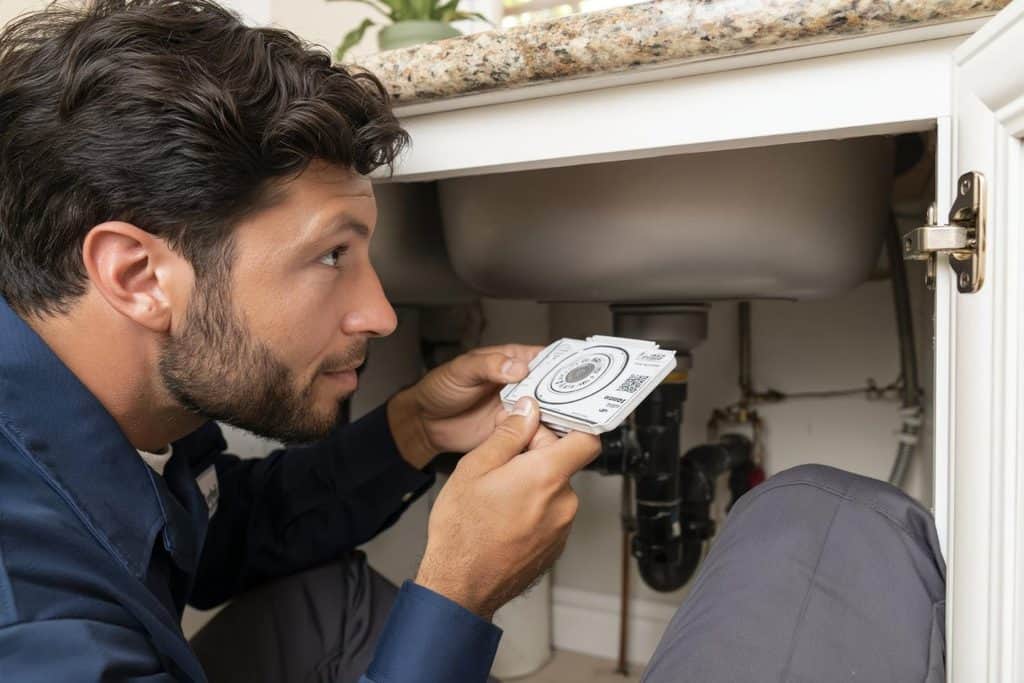
Image by talexey on Magnific
When homeowners think about keeping pests out, they picture sealing gaps, setting traps, and keeping things clean. What they rarely think about is their plumbing. Yet drains and pipes are among the most common routes pests use to enter a home, and plumbing problems can roll out the welcome mat for unwanted visitors. Understanding how plumbing serves as a frontline in pest control helps homeowners close off entry points they might never have considered, and appreciate that their plumbing plays a bigger role in keeping pests out than they realised.
Drains as Entry Points
Drains connect the inside of a home to the world outside, and this makes them a potential entry route for pests. Some pests can travel through drainage systems and pipes, using them as pathways into a home. A drain that is not properly maintained or protected can become an unwitting doorway, allowing pests to enter from outside through the plumbing system.
This is an entry point that many homeowners overlook entirely. While people carefully seal doors, windows, and visible gaps, the drains that lead into their home may go unconsidered as a pest route. Yet for certain pests, drains and pipes are a genuine pathway inside. Understanding that drains can serve as entry points is the first step toward addressing this often-overlooked vulnerability. Keeping drains properly maintained and in good working order helps close off this route, denying pests one of the pathways they might otherwise use to get into a home. Awareness of this hidden entry point is valuable for anyone serious about pest control.
How Plumbing Problems Create Openings
Beyond drains as natural pathways, plumbing problems can create additional openings and conditions that pests exploit. Damaged or deteriorating pipes can create gaps and cracks that pests use to enter or move through a home. Blocked drains can create the standing water and organic buildup that attract certain pests. And the moisture from plumbing issues creates conditions that draw pests seeking dampness.
These plumbing-related openings and conditions can significantly affect a home’s vulnerability to pests. A plumbing system in poor repair, with damaged pipes, blockages, or leaks, offers pests both pathways and attractants, making the home more accessible and appealing to them. When homeowners in the inner Melbourne area address such issues, a Plumber Fitzroy can repair the damaged pipes and clear the blockages that might otherwise give pests a way in. Addressing plumbing problems closes these openings and removes these attractants, strengthening the home’s defences against pests. Sound plumbing, by contrast, denies pests the openings that a compromised system would offer.
Maintenance as Pest Defence
The connection between plumbing condition and pest vulnerability points to a valuable insight: plumbing maintenance is a form of pest defence. Keeping drains clear and properly maintained, ensuring pipes are in good repair, and addressing plumbing problems promptly all help close off the routes and remove the conditions that pests exploit. In this way, routine plumbing care contributes directly to keeping pests out.
This gives homeowners another compelling reason to maintain their plumbing beyond the obvious goal of avoiding water problems. Well-maintained drains and pipes are not just about smooth water flow; they are about denying pests entry and eliminating attractants. Consumer guidance from Consumer Affairs Victoria encourages homeowners to engage licensed plumbers for plumbing work, which helps ensure such maintenance is done properly. Approaching plumbing maintenance with pest defence in mind adds value to a task homeowners should be doing anyway, protecting the home against pests as well as water problems. Maintenance thus serves as a quiet but effective part of a home’s overall pest-control strategy.
Closing the Gaps Pests Exploit
An effective approach to pest control involves closing off the various ways pests can enter and the conditions that attract them, and plumbing is an important part of this. By ensuring drains are protected and maintained, pipes are in good repair, and plumbing problems are addressed, homeowners close off plumbing-related entry points and remove plumbing-related attractants, strengthening their overall pest defences.
This plumbing dimension complements the other measures homeowners take against pests. Sealing visible gaps, maintaining cleanliness, and taking other pest-prevention steps are all valuable, and attending to plumbing adds another important layer by addressing routes and conditions that these other measures might miss. A comprehensive approach to pest control recognises that pests can exploit many vulnerabilities, including plumbing, and addresses them all. Understanding the role of plumbing in this bigger picture helps homeowners close gaps they might otherwise leave open, making their pest-control efforts more complete and their homes more effectively protected against unwanted visitors.
Plumbing’s Role in a Pest-Free Home
Plumbing is a frontline in pest control that many homeowners overlook. Because drains and pipes can serve as entry points, and because plumbing problems create openings and attractants, keeping plumbing in good order is an important part of keeping pests out. Recognising this helps homeowners address an often-neglected aspect of pest defence.
The practical lesson is to include plumbing in a comprehensive approach to pest control. Keeping drains maintained, pipes in good repair, and plumbing problems promptly addressed closes off routes and removes conditions that pests would otherwise exploit, all while serving the ordinary goals of good plumbing. By appreciating plumbing’s role in keeping pests out, and engaging skilled professional help to keep their plumbing sound, homeowners strengthen their defences against pests in a way they might never have considered. A well-maintained plumbing system turns out to be a quiet ally in the effort to keep a home pest-free.