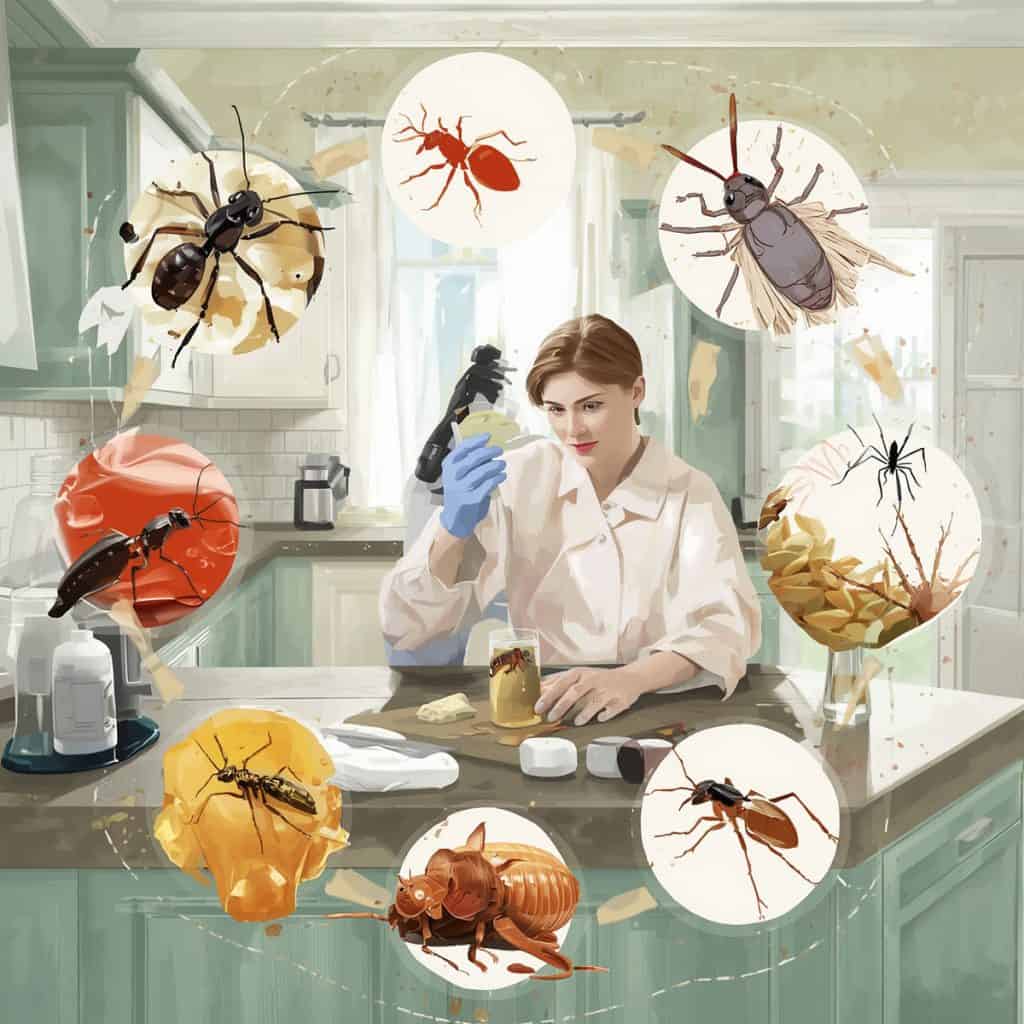

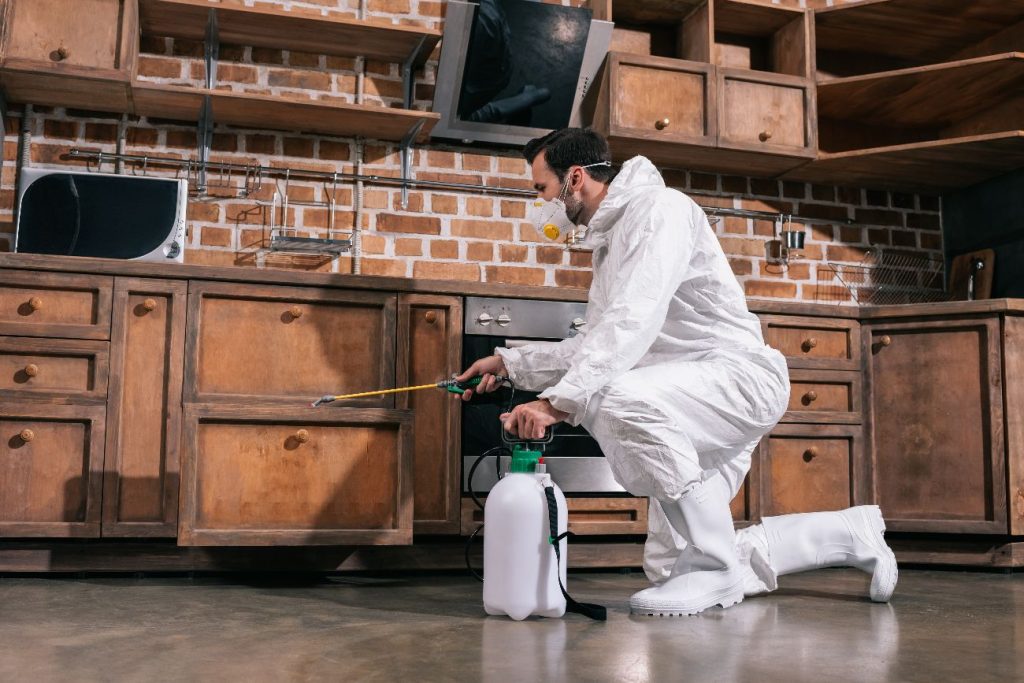
Discovering an infestation in your home can be overwhelming. Whether the issue involves insects, rodents, or another type of pest, most homeowners immediately focus on identifying the source of the problem and finding a solution as quickly as possible.
Between scheduling inspections, cleaning affected areas, and coordinating treatment plans, it is easy for attention to remain fixed on the practical side of the situation.
What often receives less consideration is the impact these disruptions can have on household pets. Dogs and cats rely heavily on routine, familiarity, and a stable environment.
Sudden changes to their surroundings can create confusion and anxiety, especially when unfamiliar smells, noises, and people become part of daily life.
While addressing the infestation remains the top priority, supporting pets throughout the process can help make the experience less stressful for every member of the household.

Why Household Changes Affect Pets So Strongly
Pets experience their environment differently than humans. They depend on familiar scents, predictable routines, and established territories to feel secure. An infestation often disrupts all three at once.
New odors introduced by pests, cleaning products, and treatment methods can make familiar spaces feel unfamiliar.
Furniture may be moved, rooms may become temporarily inaccessible, and service professionals may enter and leave the home throughout the process. While these changes seem manageable to people, they can feel significant to animals.
Some pets react by becoming clingy and seeking constant reassurance. Others may hide more frequently, become unusually vocal, or show changes in sleeping and eating habits.
Understanding these responses helps owners recognize that behavioral changes may be signs of stress rather than simple disobedience.
Maintaining Familiar Routines Matters
When dealing with an infestation, it is easy for normal schedules to fall apart. Unfortunately, pets often notice these changes immediately.
Consistent feeding times, regular walks, play sessions, and bedtime routines provide a sense of stability during uncertain situations. Even if parts of the home become temporarily inaccessible, maintaining familiar daily patterns can help reduce anxiety.
Pet owners often focus first on removing the infestation itself, but supporting an animal’s emotional comfort can be equally important during periods of disruption.
While researching products intended specifically for pets, some households may come across https://medterracbd.com as they evaluate different approaches to pet wellness and daily care.
Animals often respond positively when they know what to expect. Keeping routines predictable creates a reassuring sense of normalcy while larger household problems are being addressed. For many pets, familiarity is one of the strongest sources of comfort available during stressful periods.
Creating a Safe Space During Treatment
Pest control treatments sometimes require temporary adjustments to a pet’s environment. Depending on the type of treatment being performed, certain rooms may need to remain off-limits for a period of time.
Creating a dedicated safe space can help reduce anxiety. This area should contain familiar bedding, favorite toys, water, and anything else that helps the pet feel comfortable. The goal is to provide a predictable environment where the animal can retreat whenever household activity becomes overwhelming.
Many pets cope more effectively when they have a consistent location that remains largely unchanged throughout the treatment process.
A quiet room can provide a sense of security even when other parts of the home are temporarily disrupted.
The more stable the environment feels, the easier it may be for animals to adjust to temporary changes.
Watch for Subtle Signs of Stress
Not every anxious pet displays obvious symptoms. While some animals become visibly restless, others respond more quietly.
Changes in appetite, increased sleeping, decreased interest in play, excessive grooming, pacing, or unusual vocalization can all indicate elevated stress levels. Because these signs sometimes develop gradually, they are easy to overlook when homeowners are focused on resolving the infestation itself.
Observing pets closely throughout the process allows owners to recognize potential concerns early. Small behavioral changes can provide valuable insight into how an animal is coping with environmental disruptions.
Addressing stress early often helps prevent larger behavioral challenges from developing later.
Exercise Can Help Reduce Anxiety
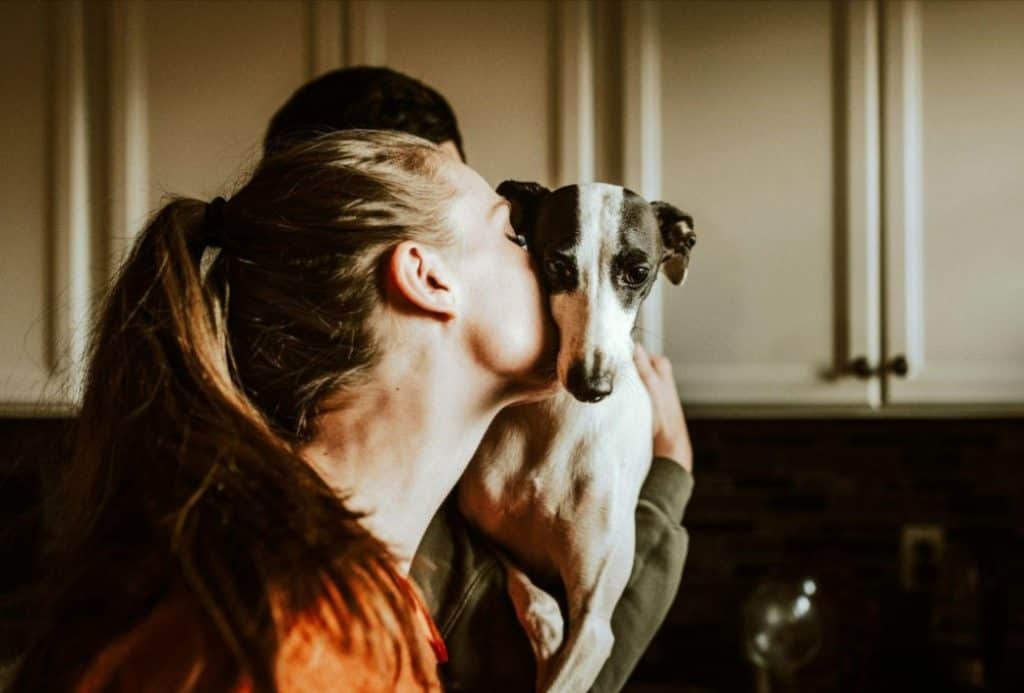
Physical activity serves as a valuable outlet for stress and nervous energy. During periods of household disruption, regular exercise becomes even more important.
Dogs may benefit from additional walks, outdoor play sessions, or opportunities to spend time away from the home environment. Cats can benefit from interactive toys, climbing structures, puzzle feeders, and games that encourage movement and mental engagement.
Exercise provides both physical and psychological benefits. It creates positive experiences during a stressful period and helps redirect attention away from environmental changes that may be causing anxiety.
Even modest increases in daily activity can contribute to improved mood and relaxation for many pets.
Helping Pets Adjust After Treatment Ends
Many homeowners expect life to return to normal immediately after the infestation is resolved. Pets, however, may require additional time to fully readjust.
Rooms that were previously restricted may suddenly become available again. Furniture may return to its original location, and household activity may gradually settle into familiar patterns.
Allowing pets time to explore and reacclimate at their own pace often leads to a smoother transition.
Patience is important during this stage. Most animals gradually regain confidence once routines stabilize and their environment becomes predictable again.
The recovery process serves as a reminder that infestations affect more than physical spaces. They influence the daily experiences of every member of the household, including pets who depend on consistency to feel safe and comfortable.
Small Steps Can Make a Big Difference
Supporting an anxious pet during an infestation does not necessarily require complicated solutions. Consistency, patience, reassurance, and attention to routine often provide the greatest benefits.
By maintaining familiar schedules, creating safe spaces, encouraging exercise, and paying attention to behavioral changes, pet owners can help reduce stress while larger household issues are being resolved.
These efforts not only support pets during the infestation itself but can also help strengthen trust and comfort long after the problem has been eliminated.