For decades, conventional American homebuilding practices were based on the belief that the space beneath a home required continuous ventilation. Architects and builders installed small, grated vents along the foundation perimeter, operating under the assumption that outdoor air currents would sweep through the crawlspace and carry away any subterranean moisture. Unfortunately, this building philosophy failed to account for basic psychrometrics, the science of how moisture behaves in relation to shifting air temperatures. Instead of drying out the foundation, traditional vented crawlspaces act as massive humidity traps, particularly across the diverse and punishing climates of the United States. This design flaw creates a silent, dark, and damp subterranean ecosystem directly beneath the feet of homeowners, serving as an ideal nursery for some of the most destructive wood-destroying organisms on the planet.
The structural and biological battle against multi-legged invaders is often won or lost in this forgotten zone beneath the floorboards. When warm, moisture-laden air enters a cool crawlspace, it reaches its dew point, causing water droplets to condense continuously onto wooden joists, subflooring, and metal structural elements. This perpetual dampness lays out a literal welcome mat for moisture-dependent insects. To break this destructive cycle, modern building science has turned away from passive ventilation in favor of complete crawlspace encapsulation paired with active mechanical dehumidification. By isolating the home from the raw earth and strictly managing the subterranean climate, property owners can permanently disrupt the reproductive and survival mechanisms of pests while safeguarding the structural integrity of their investment.
The Seasonal Dynamics of the Subterranean Moisture Trap
To truly understand how a vented crawlspace becomes a thriving pest habitat, one must observe the dramatic seasonal transitions that characterize weather patterns in the United States. Consider the arrival of a sweltering American summer, especially in the East Coast, the Midwest, or the deep South. During these months, ambient outdoor humidity soaring above eighty percent is commonplace. As this heavy, hot air drifts through foundation vents into the crawlspace, it encounters an environment that is naturally cooled by the thermal mass of the earth, which typically maintains a temperature between fifty-five and sixty-five degrees Fahrenheit.
This dramatic temperature drop forces the air to contract, causing its relative humidity to spike rapidly to one hundred percent. The resulting condensation saturates the wooden framing of the house. For wood-boring beetles, subterranean termites, and carpenter ants, this summer environment represents absolute paradise. The wood absorbs the moisture, softening the cellulose fibers and making the timber infinitely easier to chew, tunnel through, and digest. Furthermore, the high humidity prevents the pests from dehydrating, which is their primary vulnerability when foraging above ground.
As the calendar turns toward a crisp American autumn and drops into a freezing winter, the dynamic shifts but the biological threat persists. In cold weather, homeowners activate their heating systems, warming the floors and the upper boundaries of the crawlspace. Pests seeking refuge from the freezing outdoor elements are naturally drawn to this rising thermal plume. If the wood remains waterlogged from the preceding summer months, organisms like termites will continue to remain active further into the colder seasons, nesting comfortably in a stabilized microclimate. The cycle repeats year after year, with the home’s wood supply gradually degrading under the dual assault of fungal rot and relentless insect consumption.
The Biological Vulnerability: Breaking the 50% Threshold
Every living creature requires specific environmental parameters to survive, reproduce, and grow, and insects are uniquely sensitive to their surroundings. Unlike mammals, insects do not possess internal mechanisms to regulate their body moisture; instead, they rely almost entirely on the ambient humidity of their environment to prevent desiccation. Wood-boring beetles, subterranean termites, and silverfish possess highly permeable exoskeletons that lose moisture rapidly when exposed to dry air.
By employing heavy-duty encapsulation vapor barriers and dedicated mechanical drying systems, technicians can systematically drop the relative humidity of a crawlspace below the critical fifty percent threshold. When the air is maintained at this ultra-dry level, it acts like a sponge in reverse, drawing moisture directly out of the environment and out of the bodies of the insects themselves. Unable to maintain their internal water balance, moisture-dependent pests are forced to evacuate the space in search of wetter conditions, or they simply perish.
Dropping the relative humidity below fifty percent also halts a secondary, equally dangerous biological catalyst: fungal growth. Wood-rotting fungi require a wood moisture content of approximately twenty percent or higher to germinate and spread. When the crawlspace air is kept continuously dry, the moisture content of the structural wooden beams drops well below this danger zone, typically settling between ten and twelve percent. Because many wood-consuming insects, particularly carpenter ants and certain beetles, prefer to target timber that has already been softened or compromised by fungal decay, preventing wood rot simultaneously neutralizes the primary attractant for these pests.
Encapsulation as the Primary Physical Defense
The initial phase of breaking the pest lifecycle involves transforming the crawlspace from an unconditioned, open-earth cavern into a completely sealed, clean room envelope. Traditional crawlspaces feature exposed dirt floors that continuously release gallons of water vapor into the air via capillary action and evaporation. Encapsulation completely eliminates this moisture source by blanketing the entire ground floor with a thick, multi-layered, puncture-resistant polyethylene vapor barrier. This heavy-duty white liner is unrolled across the earth, tightly seamed with specialized waterproofing tape, and extended up the foundation walls, stopping just short of the wooden sill plate to allow for future pest inspections.
This physical barrier serves a dual purpose. Beyond halting the upward migration of moisture, it blocks the primary entry points for subterranean pests. Subterranean termites construct mud tubes from the earth upward to reach the wooden framing of a house. When a continuous, impenetrable barrier separates the dirt from the wood, these insects are blocked from their direct path. If they attempt to circumvent the plastic by traveling to the outer edges, their mud tubes become instantly visible against the bright white backdrop of the liner during routine property walkthroughs, completely removing their ability to damage the home undetected.
Furthermore, encapsulation requires sealing all perimeter foundation vents with airtight, insulated covers. This step eliminates the erratic, uncontrolled influx of seasonal outdoor air, allowing the space to maintain a stabilized internal temperature. By closing these structural gaps, homeowners also block the physical entry pathways for larger nuisance pests, such as rats, mice, raccoons, and opossums, which frequently use open vents as a doorway to build nests within fiberglass floor insulation during the chilly months of late autumn.
The Mechanical Core: Dehumidifiers and Advanced Climate Infrastructure
While a physical vapor barrier is crucial, encapsulation alone cannot keep a crawlspace dry; it must be paired with an active mechanical drying component. Dedicated crawlspace dehumidifiers are specifically engineered to operate efficiently in low-temperature environments, pulling gallons of water out of the air daily and draining it safely outside the home via a condensate pump. These specialized machines run automatically based on built-in humidistats, ensuring the air never wanders back into the high-humidity red zone where insects thrive.
To achieve total climate control throughout the entire residential footprint, builders frequently coordinate crawlspace systems with the broader heating and cooling architecture of the home. Modern luxury residential designs often implement zoning configurations that tuck specialized, low-profile indoor air handlers into drop-ceilings, unconditioned closets, or adjacent knee-walls. By distributing air through compact, highly efficient networks rather than massive, leaky sheet metal trunks, these systems ensure that every level of the structure, from the roofline down to the foundation joists, remains perfectly conditioned and balanced.
Ensuring the longevity of these complex mechanical setups requires an investment in high-grade and resilient HVAC parts. From industrial-grade expansion valves and heavy-duty compressors to anti-corrosive evaporator coils, every individual component must be built to withstand the unique, high-demand stresses of treating low-lying residential air zones. When a system is constructed with premium mechanical elements, it avoids the frequent breakdowns that plague lower-end units, guaranteeing that the protective drying barrier remains active without interruption during the peak of summer humidity when the pest threat is most severe.
Reaping the Benefits of a Trustworthy Climate Solution
Integrating a dependable mini-split or specialized multi-zone ducted setup into the home’s overall environmental strategy provides an unmatched layer of operational security. These modern inverter-driven climate control systems excel at continuous, variable-speed dehumidification, making them a fantastic ally in the war against indoor moisture and pests. Unlike traditional, oversized central air conditioners that loudly blast on and off, cooling the house so fast that they fail to pull moisture out of the air, a variable-speed system runs at a low, steady purr. This extended runtime maximizes moisture removal, maintaining a crisp, dry indoor environment that is deeply hostile to insects.
When the home’s primary climate control architecture is coupled with a dedicated subterranean dehumidifier, the entire property benefits from an invisible shield of comfort and protection. The air quality inside the living spaces improves dramatically because approximately fifty percent of the air on the first floor of a home naturally originates from the crawlspace via the “stack effect.” When the crawlspace is clean, encapsulated, and dry, the air rising into the living rooms is free from musty odors, fungal spores, and the microscopic allergens associated with dust mites and insect droppings.
This integrated approach also delivers substantial financial dividends. A dry crawlspace means the wood floors above do not cup or warp, interior drywall remains stable, and the home’s insulation maintains its full R-value instead of sagging under the weight of absorbed water. Furthermore, because dry air is significantly easier to heat and cool than damp, heavy air, the primary environmental systems do not have to work nearly as hard during the freezing depths of a northern winter or the blistering heat of a southern summer, leading to reduced utility bills and extended equipment lifespans.
Protecting Structural Timber from Double Destruction
The ultimate victory of crawlspace encapsulation and active dehumidification lies in its ability to halt two distinct forms of destruction simultaneously: biological pest consumption and chemical wood rot. When wood-boring beetle larvae hatch inside damp timber, they spend years tunneling through the interior core of the beam, structurally weakening the wood until it crumbles under pressure. Similarly, termites can hollow out a massive support post from the inside out, leaving nothing but a paper-thin exterior shell.
By eliminating the moisture that these organisms rely on to soften the wood and sustain their bodies, the encapsulation process effectively starves them out. The timber naturally cures over time, becoming dense, hard, and entirely unappetizing to boring pests. At the same time, the cellular breakdown caused by wood-decay fungi is completely arrested. The home’s foundational framework is preserved in a pristine, time-capsule state, ensuring that the structural load-bearing elements remain as strong fifty years after construction as they were on the day the concrete was poured.
Strategic Execution and Lifetime Maintenance
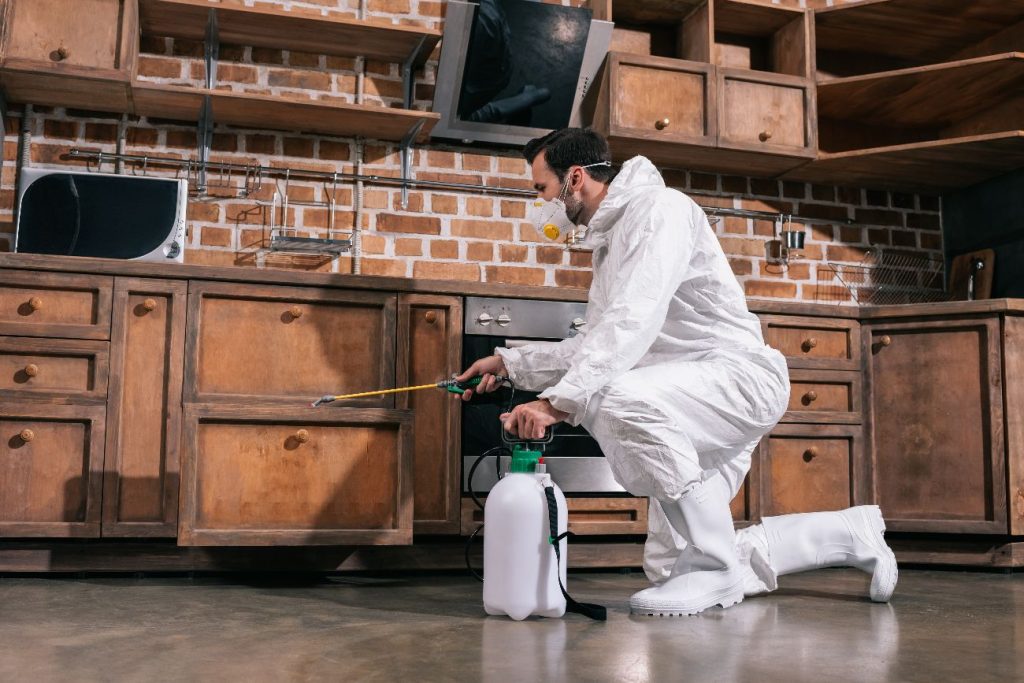
Transitioning a home to an encapsulated system requires careful execution and regular inspection to ensure long-term success. Before the vapor barrier is laid down, any existing pest infestations must be professionally treated, and any structurally compromised timber must be reinforced or replaced. Technicians must also ensure that all external water sources, such as misdirected roof gutters, poor surface grading, or broken sprinkler heads, are corrected so that liquid water is kept away from the foundation walls.
Once the physical barrier is sealed and the active dehumidification machinery is online, maintaining the system is remarkably straightforward. Homeowners should periodically check the digital remote monitors placed in their living spaces, which display the current humidity levels of the crawlspace below. Annual professional checkups ensure that the internal mechanical elements, lines, and filters remain clear and functional, guaranteeing that the protective barrier never drops its guard against the ever-present subterranean threat.
A Permanent Resolution to Subterranean Warfare
For generations, homeowners accepted the presence of occasional wood-boring pests and musty odors as an inevitable consequence of owning a property with a crawlspace. Today, advancements in building science and mechanical engineering have proven that these issues are entirely preventable design flaws. By recognizing that traditional foundation vents create a dangerous moisture trap during the humid American seasons, the modern construction industry has successfully shifted toward complete environmental containment.
Through the pairing of heavy-duty physical encapsulation barriers with high-performance, resilient climate machinery, the subterranean environment can be permanently re-engineered. Dropping the relative humidity below the critical fifty percent mark completely breaks the reproductive and survival lifecycles of termites, carpenter ants, and destructive beetles. The result is a home that stands on a rock-solid, bone-dry foundation, free from the silent destruction of wood-destroying organisms, completely optimized for energy efficiency, and providing a clean, healthy atmosphere for the families living above.