

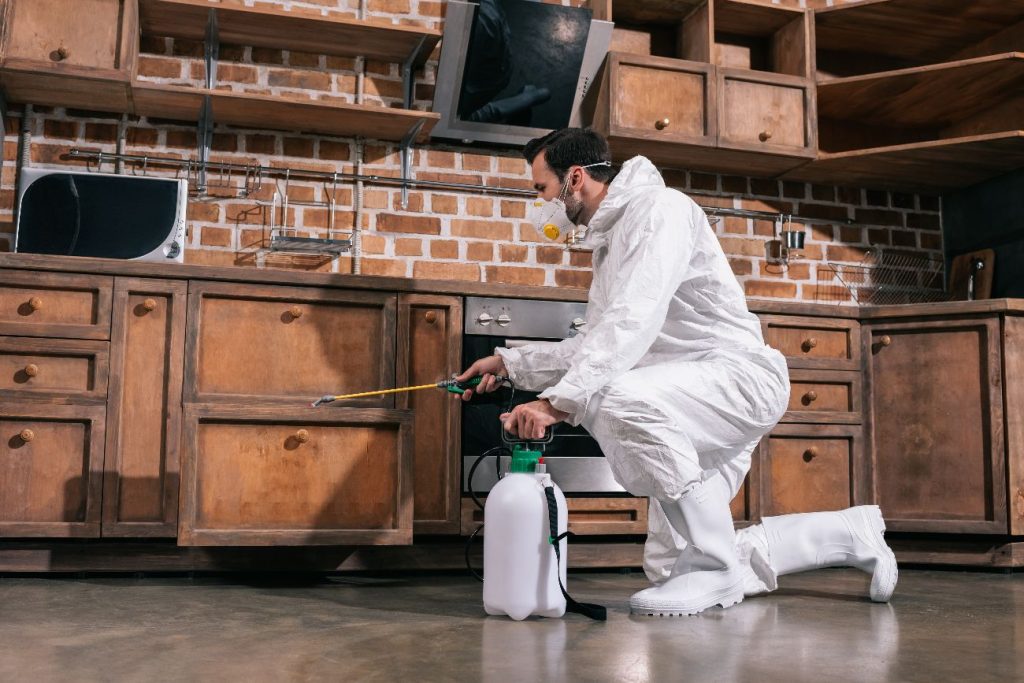
Most pest infestations do not begin with a dramatic invasion. They often start with a small crack, a hidden moisture problem, or a neglected corner that goes unnoticed for weeks or months.
By the time homeowners spot ants in the kitchen or hear rodents in the walls, pests may have already established themselves inside the property.
The good news is that preventing infestations is usually much easier and less expensive than eliminating them. Knowing what to check around your home every month or a simple monthly inspection routine can help identify conditions that attract pests before they become a larger problem.
Small maintenance tasks performed consistently throughout the year can make a significant difference in keeping unwanted visitors away.

Inspect Doors, Windows, and Exterior Entry Points
One of the first areas to examine each month is the home’s exterior. Small gaps around doors and windows can provide easy access for insects, spiders, and rodents. Weather stripping can wear out over time, and caulking may crack as temperatures fluctuate.
Walk around the outside of the property and look carefully for openings around utility lines, vents, pipes, and foundations. Even narrow spaces can become pathways into the home. Addressing these issues early is often far easier than dealing with a growing infestation later.
Check for Moisture Problems
Many common pests depend on moisture to survive. Areas with persistent dampness can quickly become attractive environments for insects and other unwanted creatures.
Each month, inspect under sinks, around water heaters, near washing machines, and inside basements or crawl spaces. Look for water stains, leaks, condensation, or musty odors that could signal a hidden issue. Even a slow drip can create conditions that encourage pest activity over time.
Examine Food Storage Areas
The kitchen is one of the most important locations to inspect regularly because it contains the resources many pests seek.
Check pantries, cabinets, and food storage areas for open packages, crumbs, or spilled ingredients. Dry goods stored in sealed containers are generally less vulnerable to contamination and easier to manage. Paying attention to pet food storage can also reduce the likelihood of attracting insects or rodents.
A quick monthly review of these areas can prevent minor issues from becoming larger problems.
Look Behind and Under Appliances
Large appliances often hide spaces that receive little attention during routine cleaning. Over time, food particles, dust, and moisture can accumulate behind refrigerators, stoves, dishwashers, and laundry equipment.
Moving appliances periodically allows homeowners to inspect for warning signs such as droppings, damaged materials, nesting debris, or unusual odors. These hidden areas frequently reveal early evidence of pest activity long before it becomes visible elsewhere in the home.
Inspect the Attic, Basement, and Garage

Storage spaces are attractive to pests because they tend to remain undisturbed for long periods. Boxes, seasonal decorations, and rarely used belongings can provide shelter and conceal developing problems.
Monthly inspections should include looking for signs of chewing, damaged insulation, nesting materials, or unexplained debris. Reducing clutter not only makes these areas easier to organize but also removes potential hiding places that pests often exploit.
Check Gutters and Drainage Areas
Water that fails to drain properly can create conditions that attract a variety of pests. Clogged gutters, blocked downspouts, and pooling water near the foundation deserve regular attention.
After storms or periods of heavy rain, inspect drainage systems to ensure water is flowing away from the home. Excess moisture near foundations and exterior walls can contribute to pest activity while also creating other maintenance concerns.
Monitor Landscaping Around the Property
The space immediately surrounding a house can influence how easily pests reach the structure. Overgrown vegetation, dense shrubs, and tree branches touching the exterior may provide convenient routes for insects and rodents.
Regular trimming improves visibility and reduces direct contact between landscaping and the home. Removing piles of leaves, fallen branches, and other organic debris can further limit places where pests may shelter or breed.
Pay Attention to Lesser-Used Areas
Not every potential pest problem develops in obvious locations. Guest rooms, storage closets, utility spaces, and rarely visited corners of the home can sometimes go months without inspection.
Making a habit of checking these overlooked areas helps identify problems before they spread. Small signs such as damaged cardboard, unusual smells, or insect activity near windows can provide valuable early warnings.
For many homeowners, monthly home maintenance eventually becomes part of a broader routine focused on comfort and organization. The same attention that goes into keeping living spaces functional often extends to personal habits and household preferences.
Whether someone is organizing storage areas, improving indoor air quality, or setting aside time to relax with products such as Delta Munchies, consistency tends to be one of the biggest factors in maintaining a comfortable environment.
Watch for Changes From Month to Month
One of the most effective pest-prevention strategies is simply noticing what changes over time. A new crack in the foundation, a recently developed leak, or unusual insect activity near a doorway can all signal that conditions have shifted.
Monthly inspections do not need to be complicated or time-consuming. A careful walk through the property combined with a few basic maintenance checks can help homeowners spot vulnerabilities early, reduce the likelihood of infestations, and avoid costly pest-control issues in the future.