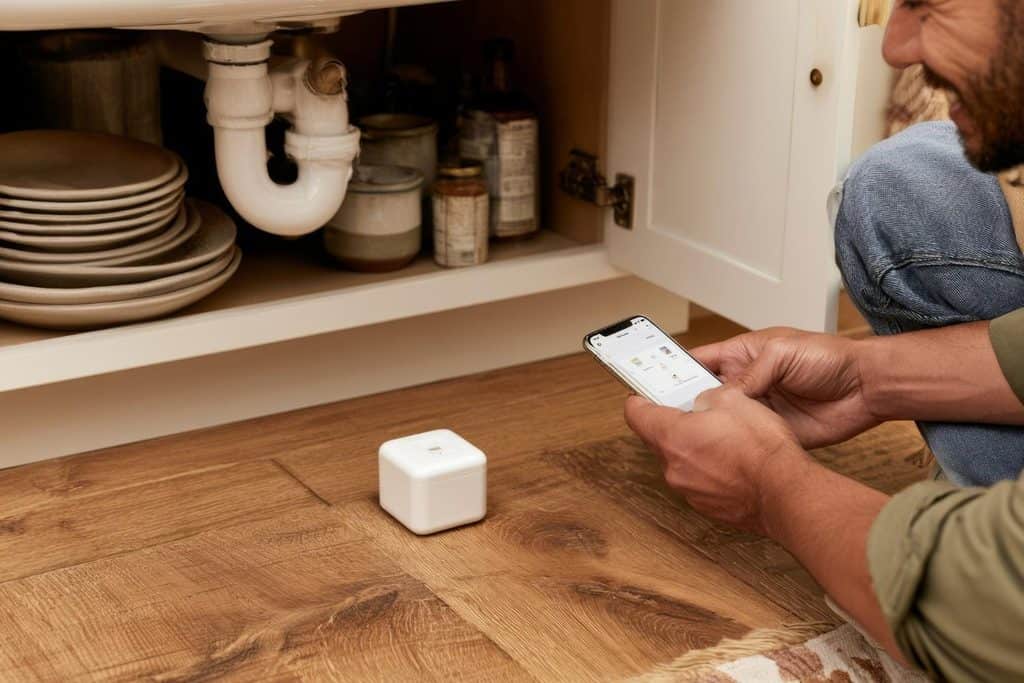
Image by talexey on Magnific
Homeowners tend to think of plumbing problems and pest problems as entirely separate concerns, handled by entirely different trades. In reality, the two are more connected than most people realise. Water is one of the biggest attractants for pests, and plumbing issues can create exactly the conditions that pests seek out. Understanding the link between plumbing and pests helps homeowners see that keeping plumbing in good order is not just about avoiding water problems, but also about denying pests the moisture they need. It is a connection worth appreciating for anyone serious about protecting their home.
Why Pests Are Drawn to Water
Like all living things, pests need water to survive, and this simple fact explains much about where and why they appear in homes. Many common household pests are strongly attracted to moisture and water sources, seeking them out for survival. A home that offers accessible water is far more attractive to pests than one that does not, which means moisture management is a key part of pest prevention.
This is where plumbing enters the picture. Plumbing problems, such as leaks, drips, and excess moisture, create precisely the water sources that pests seek. A leaking pipe, a dripping tap, or moisture accumulating from a plumbing issue can provide pests with the water they need, making the home more hospitable to them. Understanding that pests are drawn to water helps homeowners see why plumbing problems, which so often involve unwanted water, can contribute to pest issues. Denying pests access to water is a fundamental pest-prevention principle, and sound plumbing is an important part of achieving it.
How Plumbing Problems Attract Pests
The connection between plumbing problems and pests becomes clear when we consider the specific conditions that plumbing issues create. Leaks and drips provide direct water sources. Excess moisture from plumbing problems creates the damp conditions that many pests favour. Water accumulating in hidden places, behind walls or under floors, can create unseen havens for pests, attracting and sustaining them out of sight.
These plumbing-related conditions can attract a range of pests that seek moisture and dampness. A plumbing problem that goes unnoticed or unaddressed can quietly make a home more attractive to pests, contributing to an infestation without the homeowner realising the connection. This is why addressing plumbing problems promptly matters not only for avoiding water damage but also for pest prevention. When homeowners in the northern Adelaide suburbs address plumbing issues, an experienced plumber Paralowie can resolve the leaks and moisture problems that might otherwise attract pests. Fixing plumbing problems removes the water sources that draw pests, addressing a pest risk at its root.
Prevention Through Good Plumbing Maintenance
Recognising the link between plumbing and pests points to a valuable prevention strategy: keeping plumbing in good order as part of pest prevention. Regular plumbing maintenance, which catches and addresses leaks, drips, and moisture problems, also removes the water sources that attract pests. In this way, good plumbing maintenance serves double duty, protecting against both water problems and pest issues.
This integrated view of home maintenance is genuinely useful. Rather than treating plumbing and pest prevention as separate concerns, homeowners can recognise that sound plumbing contributes to pest prevention, and address both together. Promptly fixing leaks, managing moisture, and keeping plumbing well maintained all help deny pests the water they seek. Consumer guidance from SA.GOV.AU, the South Australian Government’s information service, encourages homeowners to maintain their homes and engage qualified tradespeople for work such as plumbing. Approaching plumbing maintenance with an awareness of its pest-prevention benefits gives homeowners another good reason to keep their plumbing in order, protecting their home on multiple fronts at once.
A Whole-Home Approach to Prevention
The link between plumbing and pests illustrates a broader truth about home care: the various aspects of a home are interconnected, and a whole-home approach to prevention is often more effective than treating issues in isolation. Moisture, whether from plumbing or other sources, affects many aspects of a home’s condition, including its attractiveness to pests, so managing moisture well benefits the home broadly.
For homeowners serious about pest prevention, this means looking beyond pest-specific measures to the conditions that attract pests in the first place, including plumbing-related moisture. Addressing these underlying conditions is a powerful form of prevention, since it removes the attractants rather than just dealing with pests after they arrive. A home kept dry and well maintained, with plumbing in good order, is inherently less attractive to pests. This whole-home perspective, which recognises the connections between different aspects of home care, helps homeowners protect their homes more effectively and understand that something as seemingly unrelated as plumbing maintenance plays a role in keeping pests at bay.
Protecting Your Home on Multiple Fronts
The hidden link between plumbing problems and pest issues is a valuable insight for any homeowner. Because pests are drawn to water, and because plumbing problems so often create unwanted water sources, keeping plumbing in good order is an important part of pest prevention. Recognising this connection allows homeowners to protect their homes more comprehensively.
The practical takeaway is to treat plumbing maintenance as part of a whole-home approach to prevention. Addressing leaks and moisture problems promptly, keeping plumbing well maintained, and engaging skilled professional help when needed all serve to protect the home against both water problems and pests. By understanding the connections between different aspects of home care, homeowners can prevent problems more effectively and keep their homes healthy on multiple fronts. Sound plumbing turns out to be quietly valuable in ways that extend well beyond water, including in the ongoing effort to keep a home free of pests.