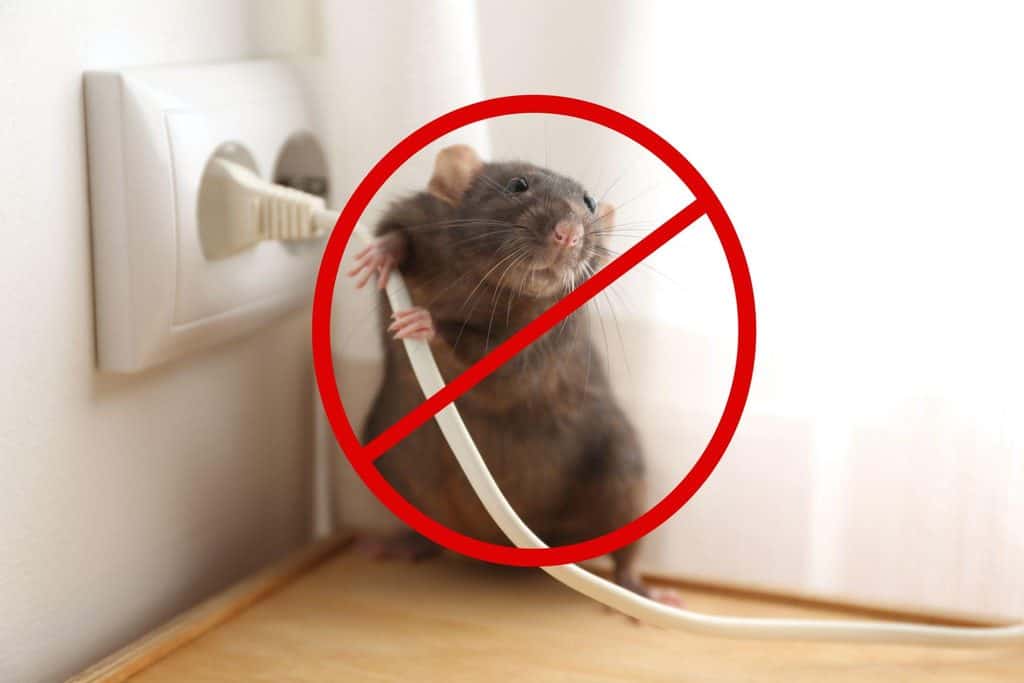
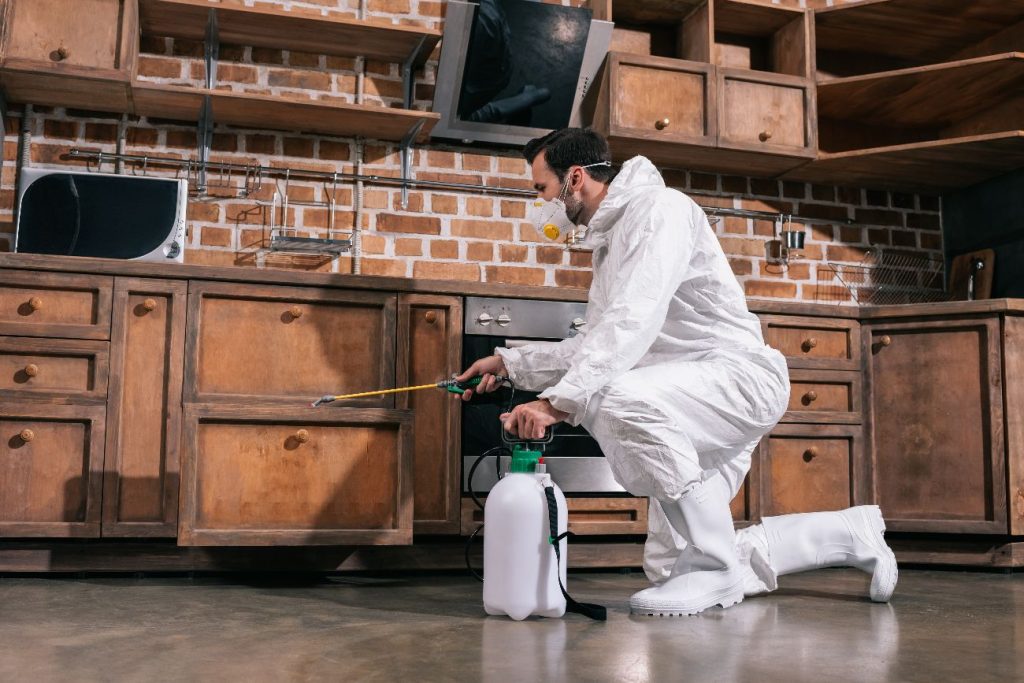
Unwanted critters often seek shelter inside home heating and cooling setups during extreme weather conditions. These unwelcome visitors create hidden problems that disrupt your home comfort without warning.
Homeowners frequently overlook the early signs of intruding wildlife until major equipment failures happen. Recognizing how tiny invaders impact climate control equipment helps prevent costly home repairs.
Electrical Wiring Damage and Short Circuits
Small animals constantly chew on exposed materials inside mechanical cabinets to keep their growing teeth worn down. When mice or squirrels target internal cabling, electrical shorts happen rapidly throughout the entire system. Unprotected wires leave crucial components vulnerable to severe electrical faults during peak operational hours.
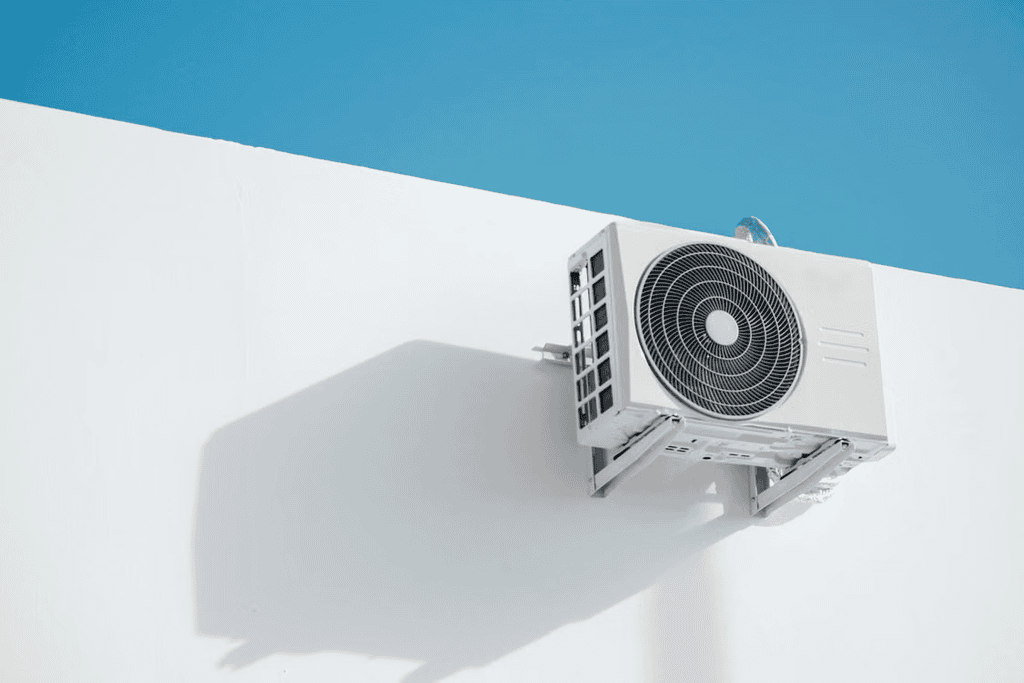
Exposed connections attract rodents looking for nesting materials throughout changing seasons. Homeowners seeking reliable AC and heat pump expertise can protect their investment by scheduling regular maintenance checkups. Inspecting exterior components prevents unexpected equipment failures before summer heat spikes.
Frayed wires create severe fire hazards inside hidden equipment compartments. Swift professional repairs prevent severe safety hazards and maintain proper system operation over many years. Regular inspections help identify compromised wiring before catastrophic failures occur.
Airflow Restrictions and Reduced Efficiency
Nests built inside air ducts block conditioned air from flowing freely into living spaces. Restricted airflow forces indoor blower units to work much harder to maintain target indoor temperatures. Blocked ductwork severely strains mechanical components and lowers total system output.
An industry overview noted that warning signs of pest damage include the AC suddenly stopping working, breakers tripping repeatedly, and unusual noises from the outdoor unit. Paying attention to these operational warnings keeps minor disruptions from turning into major mechanical failures. Early detection preserves system performance and extends total operational lifespan.
Continuous strain on overworked blower motors increases monthly utility bills significantly across all seasons. System components wear out much faster when forced to operate against heavy internal blockages. Timely intervention keeps energy consumption within reasonable budget limits.
Crawlspace Destruction and Structural Harm
Underground crawlspaces underneath houses provide dark shelters where animals congregate completely unseen. Damp environments attract burrowing creatures that search for soft fiberglass insulation materials. Unmanaged subfloor areas quickly become breeding grounds for unwanted animal populations.
A home maintenance guide explained that these critters and other unwelcome guests can wreak havoc in your crawl space, gnawing through insulation, electrical wiring, and even support beams. Protecting subfloor areas helps safeguard the structural framework supporting your entire heating setup. Proper barriers keep intrusive pests away from delicate home subfloor structures.
Damaged floor insulation allows conditioned air to escape into unconditioned spaces before reaching living quarters. Repairing subfloor insulation restores thermal efficiency and lowers monthly utility expenses for property owners. Maintaining sealed crawlspaces protects valuable home infrastructure from hidden destruction.
Plastic Components and Internal Breakdown
Modern air handlers contain numerous plastic parts, drain pans, and flexible rubber connectors. Rodents chew through these soft materials, causing internal fluid leaks and mechanical failures. Unchecked chewing creates widespread damage across multiple internal air handling assemblies.
A trade article highlighted that pests chew on wires, insulation, and plastic parts, causing malfunctions that lead to breakdowns. Replacing these damaged internal components requires specialized technical skills and costly replacement parts. Professional technicians must carefully rebuild compromised internal assemblies to restore functionality.
Leaking condensation pans ruin surrounding building materials, drywall, and wooden floors. Fixing minor leaks early protects home structural integrity and long-term mechanical longevity. Routine checks prevent costly water damage inside residential properties.
Identifying Common Signs of Intrusion
Spotting early warning indicators allows homeowners to address hidden animal activity quickly. Paying attention to unusual sounds or odors helps pinpoint problem locations before damage spreads. Early awareness prevents extensive destruction inside hidden mechanical spaces.
Watch for key indicators around indoor air handlers and outdoor condenser units:
- Scratching or rustling sounds inside wall cavities and sheet metal air ducts
- Unpleasant odors blowing through supply vents when fans operate continuously
- Foul smells coming from near indoor air return grilles and intake registers
- Droppings accumulated around mechanical closet floors or air filter slots
- Visible chew marks on flexible ducting or exterior rubber wire conduits
Discovering these signs early prevents extensive damage to mechanical climate equipment. Scheduling professional inspections clears out hidden contaminants safely and thoroughly. Immediate action protects home air distribution systems from lasting harm.
Indoor Air Quality Deterioration
Animal droppings and shed fur inside ductwork contaminate recirculated air across every room. Breathing these airborne particles triggers respiratory discomfort and irritation for household members. Polluted air supply networks spread harmful biological waste throughout entire residential living spaces.
Bacteria and allergens spread rapidly whenever blowers cycle on during daily operation. Cleaning air distribution networks removes harmful debris and restores clean indoor air throughout the building. Thorough sanitation protects family health and maintains healthy indoor environments.
Replacing dirty air filters frequently helps trap larger foreign particles before recirculating. Installing upgraded filtration devices provides extra protection against microscopic indoor pollutants. Fresh filter media maintains steady airflow and captures airborne contaminants.
Taking proactive steps protects heating and cooling investments from destructive animal activity. Routine checks verify home mechanical systems remain clean, safe, and efficient.
Partnering with qualified technicians helps identify vulnerabilities before expensive damage occurs. Maintaining clean equipment guarantees reliable home comfort throughout every season.