
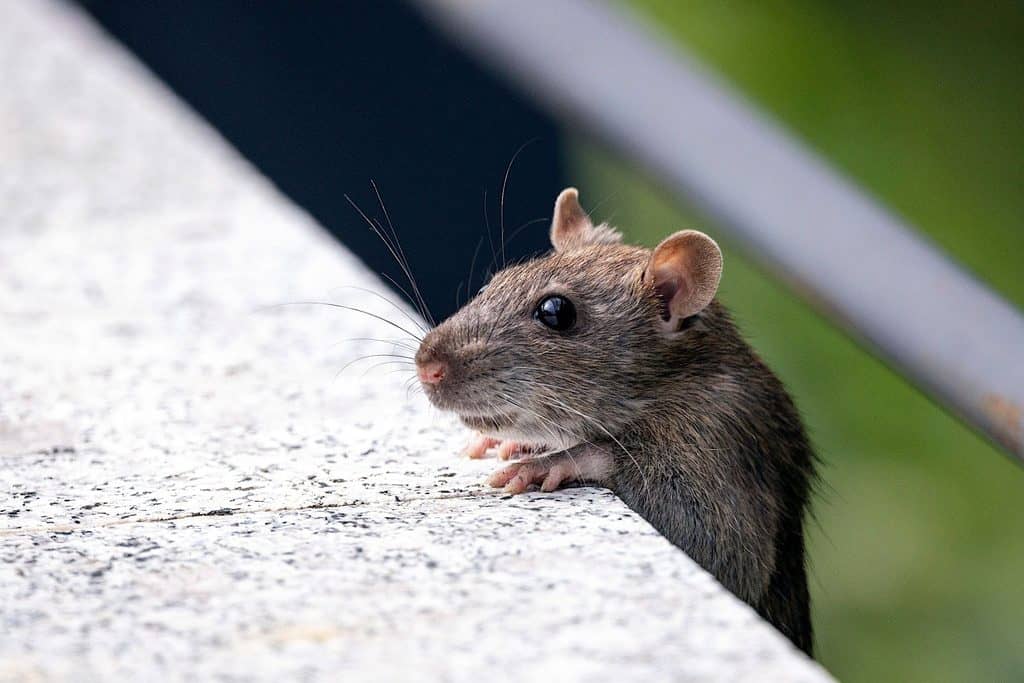
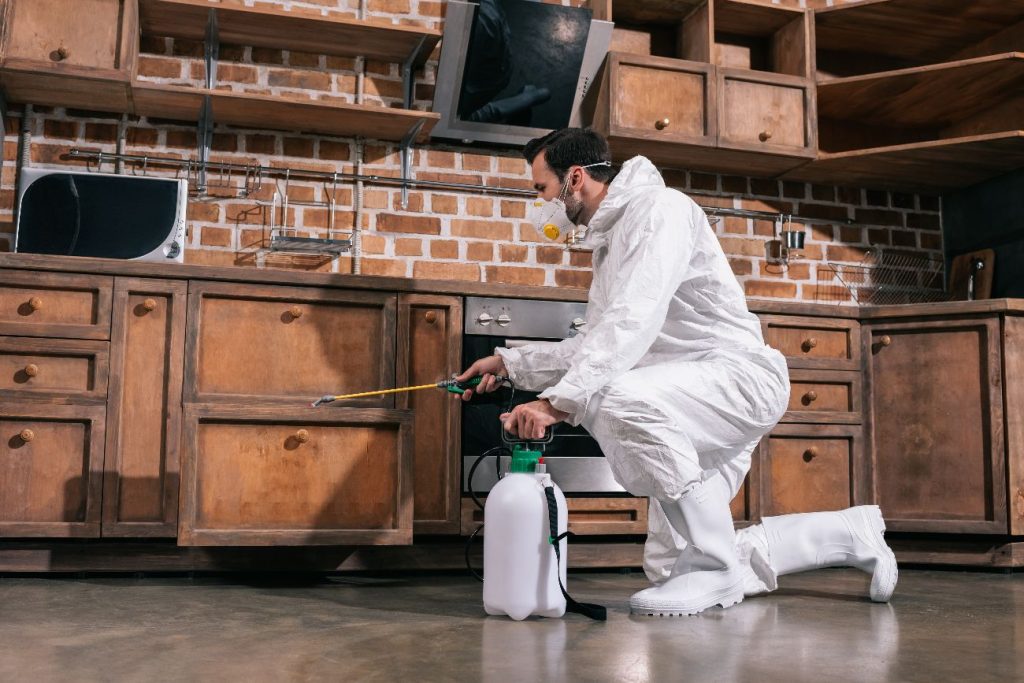
Finding ants marching across the kitchen, a cockroach hiding behind the refrigerator, or signs of mice in a cupboard can make anyone want an immediate solution. But reaching for the strongest pesticide is not always the smartest first move.
Modern natural pest control focuses increasingly on prevention, accurate pest identification, sanitation, physical barriers, monitoring, and targeted treatment. This approach is commonly known as Integrated Pest Management (IPM).
The U.S. Environmental Protection Agency describes IPM as an environmentally sensitive pest-management approach that combines knowledge of pest life cycles with different control methods while aiming to minimize hazards to people, property, and the environment.
For families looking for practical ways to manage common household pests, here is how to build a safer and more targeted pest-control strategy.
1. Identify the Pest Before Treating It
One of the biggest pest-control mistakes is treating before identifying.
A tiny insect in your kitchen could be an ant, pantry beetle, young cockroach, or something completely harmless. Different pests require different solutions, so randomly spraying products around the house can waste money while failing to solve the actual problem.
The National Pesticide Information Center recommends correctly identifying a pest before selecting any treatment or control method.
Start by noting where you see the pest, when it appears, what it seems attracted to, and where it may be entering.
Once you know the pest, you can attack the cause rather than simply killing individual insects.
2. Remove Food Sources First
For many domestic pests, your kitchen is essentially an all-you-can-eat restaurant.
Crumbs beneath appliances, open cereal boxes, pet food, dirty dishes, overflowing bins, and food residue provide easy meals for ants, cockroaches, flies, and rodents.
Store dry foods in tightly sealed containers. Wipe counters after cooking, vacuum crumbs from corners, clean beneath appliances, and take rubbish out regularly.
Pay extra attention after takeaway meals or halal food delivery, because disposable containers, sauces, crumbs, and food packaging left overnight can attract pests.
This sounds basic, but IPM guidance emphasizes removing food, water, and shelter before relying on pesticides. EPA resources for housing pest control specifically recommend eliminating nesting sites and food and water sources while excluding pests from buildings.
3. Control Ants by Finding Their Route
Killing the ants you can see may provide temporary satisfaction, but it rarely addresses the colony.
Watch where the ants travel. They may be entering through gaps around windows, pipe openings, doors, damaged seals, or tiny cracks in walls.
Clean surfaces where ants have been travelling to remove food residues and trails. Keep sugar, honey, biscuits, fruit, and pet food covered. Then seal obvious entry points where practical.
This combination of sanitation and exclusion is usually a better starting point than repeatedly spraying an entire room.
EPA guidance encourages preventing ants, cockroaches, and rodents from entering homes rather than waiting for them to become established.
If activity continues despite removing food and blocking entrances, a properly selected targeted treatment may be needed.
4. Make Your Kitchen Unfriendly to Cockroaches
Cockroaches are excellent at hiding.
They prefer narrow spaces around cabinets, appliances, plumbing, wall gaps, and other sheltered areas. That means successful cockroach control without excessive chemicals begins by reducing the conditions they need.
Fix leaking taps and pipes. Do not leave wet sponges sitting overnight. Clean grease around cookers, empty bins, seal food, and remove unnecessary cardboard and clutter.
Sticky monitoring traps can also help determine where cockroach activity is concentrated without spraying chemicals throughout the room.
If you regularly bring home groceries, takeaway meals, or halal food delivery, dispose of unnecessary cardboard and packaging rather than allowing boxes and bags to accumulate around the kitchen.
For serious infestations, targeted professional treatment may still be necessary. “Natural” pest control should mean reducing unnecessary chemical exposure—not ignoring a growing infestation.
5. Stop Rodents by Removing Their Three Essentials
Mice and rats need three basic things: food, water, and shelter.
Remove those and your home immediately becomes less attractive.
The CDC states that preventing rodent infestations centers on removing food sources, water, and materials that provide shelter. Rodents can also carry diseases directly or indirectly, making prevention more than simply a cleanliness issue.
Inspect gaps around doors, utility lines, pipes, ventilation openings, foundations, and storage spaces. Seal appropriate openings using durable materials suited to the structure.
Keep food—including pet food—in secure containers and avoid leaving rubbish accessible overnight.
Mechanical traps can be incorporated into a targeted rodent-management strategy, particularly when placed where rodent activity has actually been detected.
For widespread infestations or repeated indoor activity, consider a qualified pest-management professional rather than experimenting with potentially hazardous homemade poisons.
6. Reduce Mosquitoes by Targeting Water
When people think about mosquito control, they often think immediately about sprays.
A better starting point is water.
Mosquitoes require water during their life cycle, and even relatively small containers can become breeding locations. EPA guidance recommends eliminating standing water from places such as buckets, toys, gutters, old tires, plastic covers, and plant containers. Water in items such as bird baths and plant trays should also be emptied or changed regularly.
Walk around your home or garden after rainfall.
Check flowerpots, drains, buckets, children’s toys, outdoor containers, tarps, and anything else capable of collecting water.
Window and door screens can also help prevent mosquitoes from entering indoor spaces.
Removing breeding opportunities is one of the most practical forms of natural mosquito control around the home.
7. Treat Bed Bugs Differently
Bed bugs require a much more deliberate strategy than common kitchen pests.
Simply cleaning the bedroom does not mean an infestation will disappear, and using random household sprays can make matters worse.
EPA recommends an integrated approach that combines nonchemical and, when necessary, appropriate pesticide methods. Measures can include vacuuming, reducing hiding places, using appropriate mattress or box-spring encasements, monitoring, and carefully applied heat-based approaches.
Importantly, EPA warns against trying to heat an entire home using thermostats, fireplaces, or propane space heaters to kill bed bugs because these methods are ineffective and can be dangerous.
Significant bed bug infestations are often situations where professional pest control is worth the investment.
8. Keep Flies Away With Simple Sanitation
Flies usually appear because something is attracting them.
Check uncovered food, rubbish, overripe fruit, dirty recycling, pet waste, and drains. Remove the source before focusing on the adult flies.
Use fitted lids on rubbish bins and keep food covered. Repair damaged window screens and avoid allowing dirty food containers to remain indoors.
After parties, family gatherings, or large halal food delivery orders, clear leftovers and food packaging promptly rather than leaving them until the following morning.
Removing the attraction is generally more sustainable than repeatedly dealing with every new fly that enters the room.
9. Be Careful With “Natural” DIY Remedies
One important point is often missing from natural pest-control advice online: natural does not automatically mean harmless.
Essential oils, powders, plant extracts, homemade mixtures, and concentrated substances can still create risks when inhaled, swallowed, misused around food, or exposed to children and pets.
Likewise, a product marketed as eco-friendly is not automatically appropriate for every household or pest.
EPA’s consumer guidance recommends careful pesticide use and attention to protecting children, families, and the environment.
Instead of choosing a remedy simply because it sounds natural, ask whether it has evidence behind it, whether it is appropriate for the specific pest, and whether it can be used safely in that location.
10. Seal Entry Points for Long-Term Pest Prevention
Think of pest control as home maintenance.
Inspect window frames, door seals, plumbing penetrations, cracks, vents, damaged screens, cabinets, and gaps around utility connections.
Physical exclusion can prevent new pests from entering after the existing problem has been controlled.
This is one reason Integrated Pest Management for homes can be more effective than a spray-and-forget approach. You are changing the environment that allowed the infestation to develop.
Combine sealing with regular cleaning, moisture control, rubbish management, and proper food storage for better long-term results.
When Should You Call a Pest-Control Professional?
DIY pest management has limits.
Consider professional help when you have a persistent bed bug problem, a large cockroach infestation, recurring rodent activity, suspected termites or structural pests, inaccessible nests, or a problem that keeps returning despite prevention efforts.
Professional help can also make sense when children, pets, elderly people, or individuals with particular sensitivities are in the home.
If pesticides are required, they should be selected for the specific pest and used according to the product label rather than applied unnecessarily throughout the property.
Build a Smarter Pest Management Routine
Effective non-toxic pest control is less about finding one miracle ingredient and more about creating an environment in which pests struggle to survive.
Identify the pest first. Remove food and water. Reduce clutter. Seal entry points. Monitor problem areas. Use physical or mechanical controls where appropriate, and move to carefully targeted treatments only when necessary.
That is the basic logic behind Integrated Pest Management: prevention first and intervention based on the actual problem rather than automatic chemical use.
A cleaner kitchen alone will not solve every infestation, and no natural remedy works against every pest. But combining sanitation, exclusion, moisture control, monitoring, and targeted action can dramatically improve household pest management.
The goal is not simply to kill the pest you see today. It is to remove the conditions that invite the next one tomorrow.