A solid foundation keeps your entire home stable and secure. Small pests can quietly settle beneath the surface and cause serious damage before you notice any symptoms. Protecting this underground area demands a proactive strategy. Once you know what attracts these invaders, you can stop them before they compromise your concrete.
The Hidden Threats Lurking Beneath Your Concrete
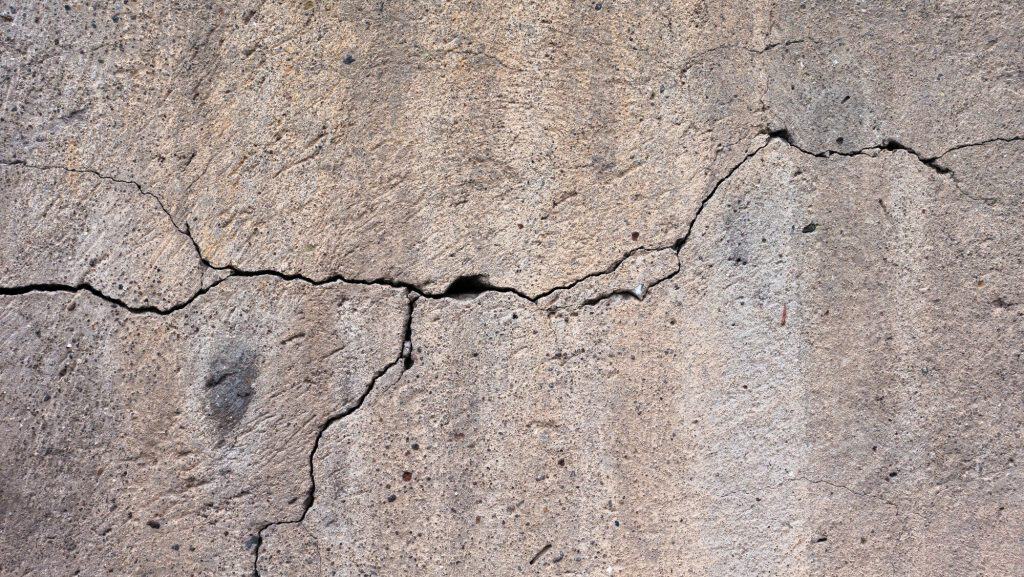
Homeowners ignore the space beneath their concrete slabs until cracks begin to appear. To invest in proper ground protection, consult with professionals like inlandtarp.com to protect these hidden spaces. Small pests can widen microscopic gaps and slowly degrade structural support.
Many common insects chew through insulation and burrow through the dirt right below your home. A hollow foundation creates a hazardous situation for any building. When the ground shifts, the weight of the concrete is no longer supported evenly. This uneven distribution leads to deep structural fractures that require professional intervention to fix.
Rodents dig complex tunnel networks that weaken the ground. A single rat can move large amounts of dirt in just one week. Constant digging leaves the concrete slab suspended over empty space.
Sunshine State homeowners living on the Gulf Coast often call services for Foundation Repair in Tampa, FL to address underlying soil erosion before major structural shifting occurs. Addressing these subterranean voids early prevents minor ground instability from turning into costly structural hazards.
Eliminating Standing Water and Excess Moisture
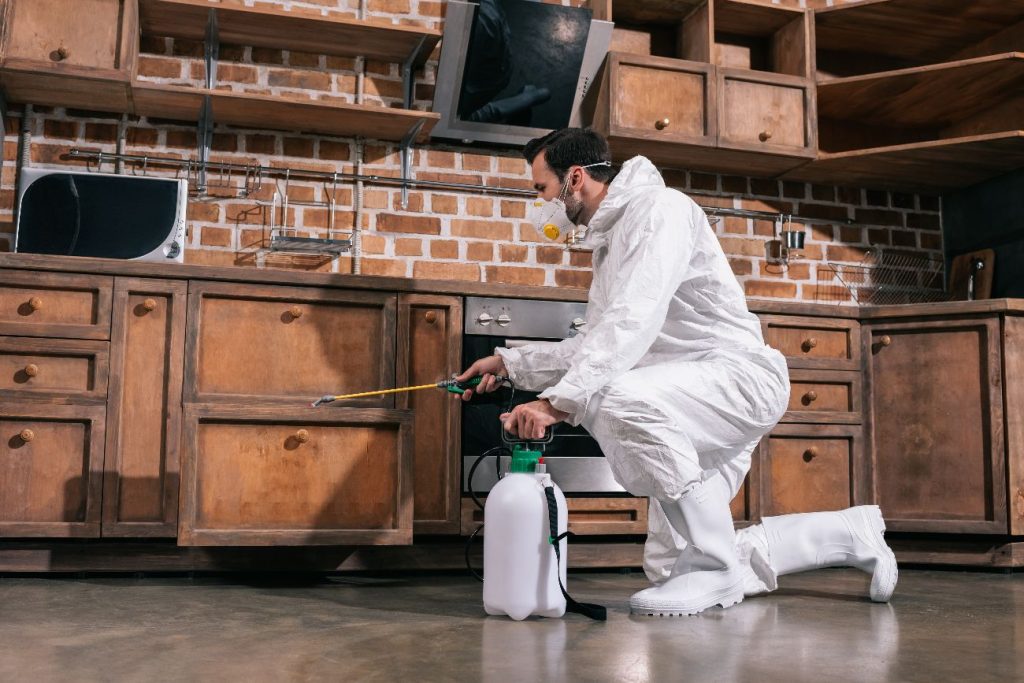
Water pooling near your home attracts unwanted creatures. A pest management expert warns that liquid pools and plumbing leaks can attract various insects. Keeping these areas dry is the first step in defending your structure.
Damp soil provides the perfect breeding ground for destructive invaders. Subterranean termites need damp surroundings to live, which makes wet zones near crawl spaces and garden beds a major risk factor. Directing water away from your walls keeps these pests away.
Poor drainage allows water to collect around the concrete footings of your house. Wet soil softens the ground and makes it much easier for rodents to dig deep tunnels. Fixing your gutters and grading the soil away from the home prevent this water buildup.
Simple Barriers to Keep Burrowing Pests Away
Preventing infestations is much easier than dealing with structural damage later. Creating a strong physical barrier keeps these creatures from finding a way inside. Here are three effective steps you can take today:
- Seal every visible exterior gap with durable silicone caulk
- Keep wood chips and garden mulch 12 inches away from your walls
- Clear leaves and organic debris from around the perimeter of the building
Concrete barriers can be reinforced with physical screens over vents and crawl space openings. Mesh screens keep mice and larger insects from slipping into dark spaces. Simple physical blocks stop pests before they can start tunneling.
Use heavy-duty physical barriers during construction. Thick plastic sheeting blocks insects and moisture from rising through the dirt.
Regular Maintenance Strategies for Long-Term Security
Schedule regular walks around your property to check the base of your home. Look closely for small mud tubes or piles of dirt near the walls. Professional concrete sealers can fill hairline cracks before pests utilize them. A small $50 investment in sealing today prevents major headaches.
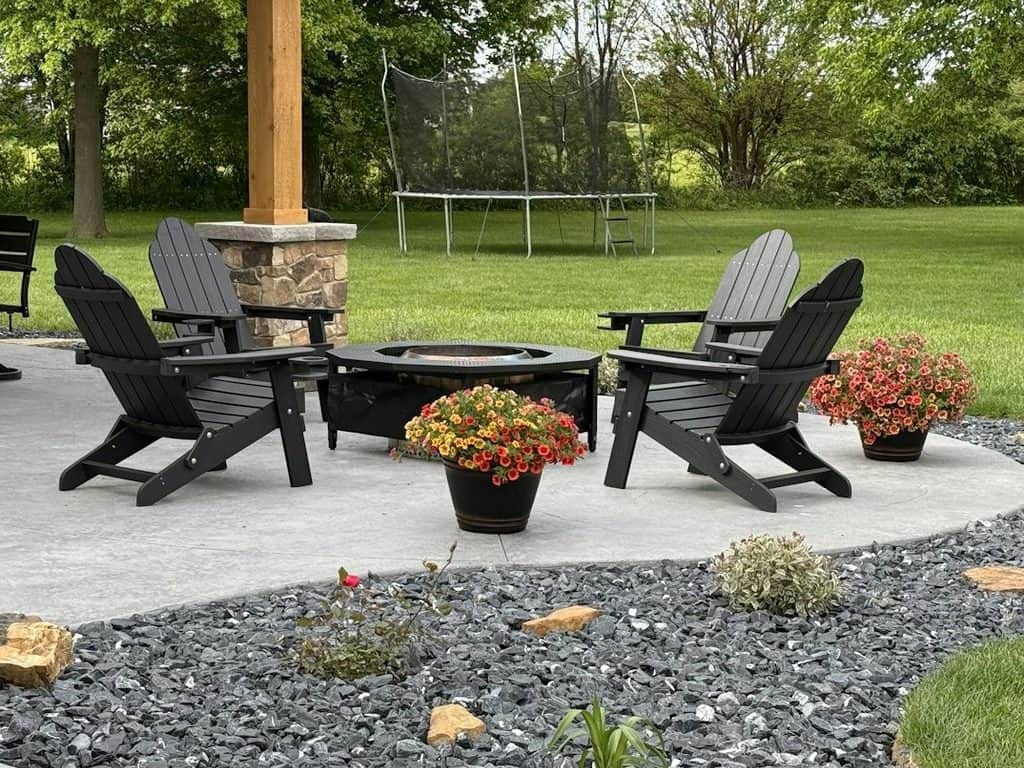
Adding gravel borders around the concrete can discourage burrowing pests. Many insects and rodents dislike digging through rough gravel. A simple change to your yard makes the foundation area much less inviting.
Maintaining a strong foundation requires constant vigilance and quick action against pests. Simple changes to your drainage and quick sealing of cracks will keep your home secure. A dry, sealed perimeter forms your best defense. With these steps, you can protect your investment.