
If you want to sell a property that is infested with pests without making expensive renovations, simply sell it ‘as is’ to a cash buyer or investor who’s already taken the situation into account in their offer and will handle the pest control themselves.
The main points are to be straightforward in your disclosure of the issue, set a price that reflects the property’s condition, and pick a buyer who doesn’t need the mortgage that an inspection could jeopardize. If everything is done properly, a deal can be closed within a few weeks without any extermination or structural repair costs.
Most sellers get fooled by Really pests and their damages are two totally separate things for a buyer. The little termite infestation that can be treated with a few hundred dollars is not a big scare, but the hidden wood damage, weakened support structures, or the bad insulation that is behind these pests is actually what’s terrifies buyers and loan officers. Getting to grips with that difference is what enables you to sell a property smartly rather than getting overwhelmed with repairs that you won’t be able to get back at closing.
Why Pest Problems Scare Traditional Buyers and Lenders
A retail buyer who needs a mortgage is the hardest kind of sale when pests are involved because the lender, not just the buyer, has to be satisfied. Many loan types, including FHA and VA, require a clear pest inspection report before closing.
So, if termites or another wood-destroying organism are found, it may delay or even kill the loan until treatment is done and, in most cases, until repairs are documented. In fact, a pest problem can easily be transformed into a financing problem – which is exactly the reason why these types of deals fall through so often.
There is an emotional fear at play here as well. When a buyer hears about termites, they picture the house disintegrating over time although in reality, the damage may be limited and minor. The data from the industry reveals that termites only damage properties worth billions of dollars annually all over the U.S. and this bad image sticks to any home that has a record of infestation. Because of this, even the buyers who have the financial means to make the repairs may decide to walk away or at least negotiate a huge discount because the risk they perceive is way bigger than the real one.
Severity is the game changer here. Most surface-level pests like cockroaches, ants, or even a rodent entry point are generally inexpensive and fast to treat, often just a few hundred dollars. But termites carpenter ants, or a rodent problem that has been going on for a while and has damaged wiring and insulation can cost thousands or even tens of thousands of dollars once the structural and electrical damages have been discovered. The more severe and persistent the infestation, the more a traditional sale can be held against you.
What Pest-Related Repairs Actually Cost If You Fix Them Yourself
It is important to know the real figures before deciding to fix it, so that you can later compare the fixed property against a simple sale in the current condition.
A routine extermination for ants, roaches, or rodents usually costs between 150 and 500 dollars. Termite treatment can be more expensive and take a greater commitment, typically 1,200 to 3,000 dollars for a full-home approach, and recurring bait systems add to the annual cost.
The post-treatment repairs are the ones that make the budgets skyrocket. Replacing the termite-damaged framing or subfloor after the damage has been discovered can cost anywhere from 2,000 to 10,000 dollars, based on how far the damage has spread, and serious structural problems with the load-bearing elements can go way beyond that.
Rodent damage has its own set of costs: the chewed wires need an electrician, the insulation that has been contaminated must be removed and replaced, and the cleaning of the droppings sometimes takes a specialized remediation. Just the replacement of the insulation in the attic can amount to 1,500 to 4,000 dollars.
The irritating part is the profit. You almost never fully recover pest repair expenses through the sale price, as buyers tend to discount for the stigma, even when the repairs are done. You may spend 12,000 dollars in fixing damage and the sales price might increase by a very small fraction of that, and that is the main reason why so many sellers in this type of situation are looking for a way to skip the repairs entirely.
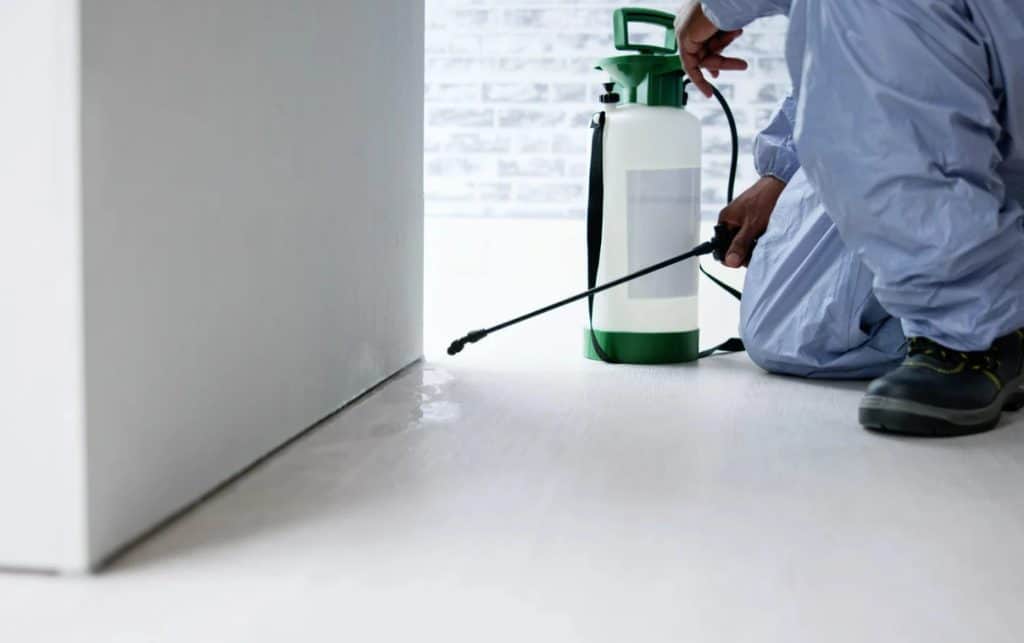
Selling As-Is to a Cash Buyer Without Doing the Work
Selling the house “as-is” involves offering the property in its present state whereby the purchaser assumes responsibility for the pest issue, any resulting damage, and the pest extermination.
Property buyers who pay in cash and money-making investors are accustomed to this since they factor the cost of pest control and repairs in their offer and also have the contractor source to do such work at a minimal cost for their scale. Since there is no lender inspection to satisfy, a live infestation that would have derailed a financed transaction simply becomes a item in the buyer’s budget.
The main benefit is the timeline. A cash deal normally closes within 7 to 21 days, whereas it would take weeks for a financed sale to be treated, repaired, and re-inspected.
You get to avoid paying real estate agents commissions which are usually 5 to 6 percent, you don’t waste time negotiating repair credits, and you eliminate the possibility of a buyer walking away after seeing the inspection report. For a person who has inherited a house, that is a rental that went wrong, or a problem that one simply can’t afford to fix, the certainty is what makes it attractive to them.
If your house has a real pest issue and you’d rather not pour money into repairs you won’t recoup, the cleanest route is often to sell your house for cash to a buyer who already expects to handle the remediation. A credible one will inspect the property, explain how the pest damage factored into their number, and show proof of funds before you commit. You still need to disclose what you know honestly, but you don’t need to fix anything first.
How to Disclose Pest Problems and Still Get a Fair Offer
Disclosure is a must, and trying to hide a known infestation is actually the quickest way to a lawsuit rather than a clean sale. Most states require sellers to disclose material defects that are known to them, and usually termites recurring rodent activity, and prior treatments are examples of such defects.
In fact, being honest with your buyer is protective for you as well, because a buyer who gets the whole picture before closing can’t come back later saying that you concealed it. Besides, honesty tends to get you a better offer than you thought. By giving a cash buyer an accurate picture of the property, including any past inspection reports or treatment records, they will be able to price the deal correctly instead of adding a large unknown-risk buffer to their offer.
Also, if you happen to get more than one offer, that would be great as pest-damaged homes are valued very differently by different buyers given their ability to make repairs and plans for resale. For example, an investor who renovates and resells will evaluate the damage differently than one who buys to rent. By comparing a few offers, you can determine if a number is fair for the condition and it will also prevent any single buyer from using the infestation as a reason to justify a very low price.