
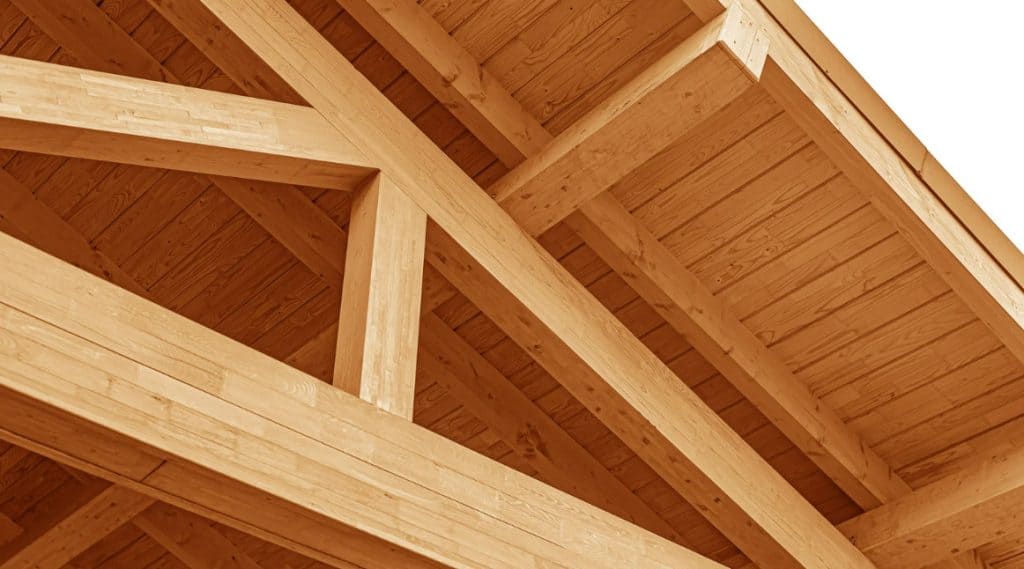
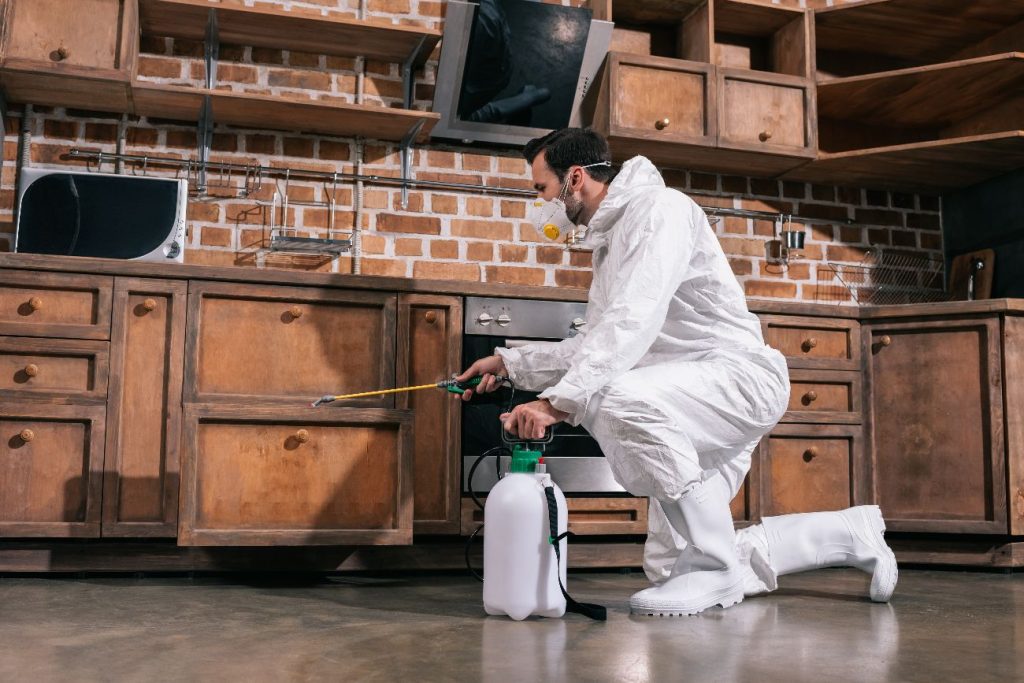
Building a home with timber offers incredible strength and timeless beauty. Protecting that framing from hungry bugs requires a solid game plan from day one. Unchecked insects chew through support beams silently behind drywall for months.
Leaving framing vulnerable leads to expensive repairs that compromise the safety of the entire property. Taking early action keeps the framing safe from bugs year after year. Consistent prevention strategies maintain the market value of your property.
Select Resistant Building Materials
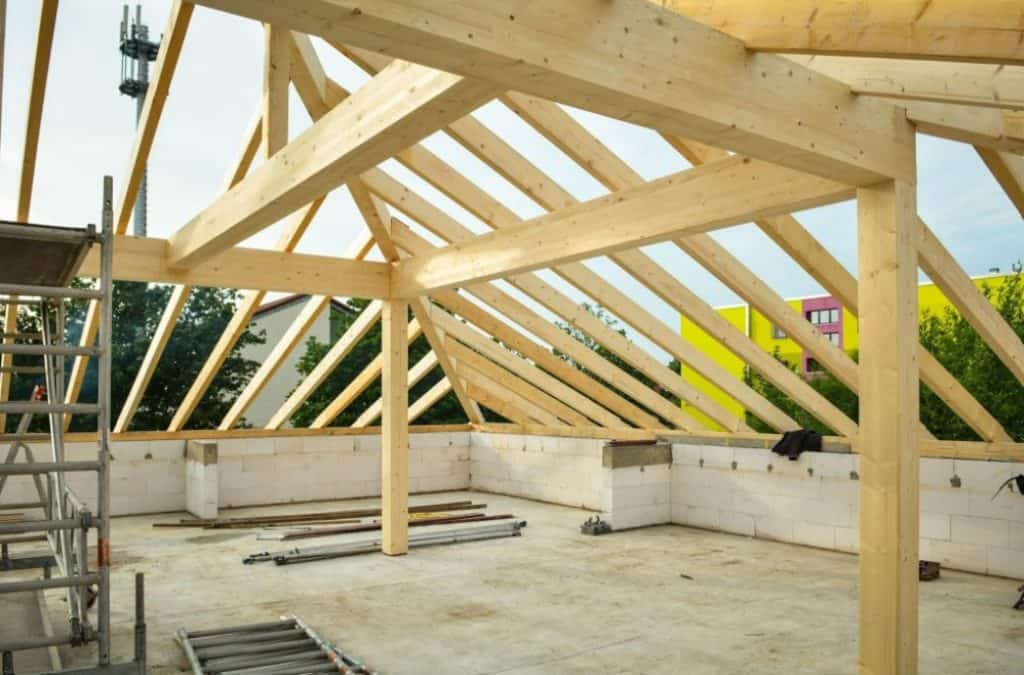
Choosing the correct framing materials helps stop bugs before construction even begins. Builders often select sustainably sourced wood to create strong framing that withstands environmental pressures. Certain natural species repel tunneling bugs without extra chemical help.
Treating the materials adds another layer of defense against wood-boring insects. Pressure treatment forces defensive treatments deep into the fibers, stopping bugs from eating the structural core. This treatment keeps the boards strong for decades. Using treated lumber in high-risk areas shields the lower parts of the building.
Proper storage on the job site keeps materials dry before assembly. Wet conditions attract bugs that want soft surfaces for nesting. Keeping the lumber elevated off the bare dirt prevents early pest problems.
Control Moisture Levels in the Frame
Bugs need specific environmental conditions to survive inside building frames. A European preservation study indicates that framing faces insect risks when moisture climbs past 10% and temperatures top 10°C. High moisture levels soften the wood fibers and make tunneling much easier for bugs.
Installing proper ventilation paths helps lower humidity in enclosed spaces like attics or crawlspaces. Exhaust fans pull humid air out before it causes structural framing trouble. Good airflow keeps the building dry. Ridge vents allow hot air to escape naturally from roof lines.
Fixing pipe leaks quickly prevents hidden water accumulation behind drywall. Standing water seeps into studs and creates a perfect habitat for pests. Regular inspections under sinks protect nearby structural elements.
Establish Ground Clearance Barriers
Bugs easily crawl from the dirt directly into the framing if the clearance is too low. Keeping the lowest wooden parts high above the soil line breaks the direct pathway.
Builders use specific distance measurements to separate soil from structural framing. Some spacing practices keep the home safe:
- Keep wood framing at least 6 inches above dirt paths.
- Clear away weeds that touch the lower siding.
- Sloping the soil away from the foundation stops standing pools.
Following simple spacing guidelines protects the lower walls from splashing rainwater.
Concrete slabs provide a sturdy base but require careful edge monitoring. Pests slip through tiny hairline cracks in the concrete to reach the structural frame. Sealing entry points stops hidden migrations.
Apply Chemical Soil Treatments
Protecting the perimeter creates a defensive ring around the entire building foundation. Liquid treatments applied to the soil stop pests from digging upward into the main structure. Chemical solutions bind with the dirt to repel deep-tunneling bugs.
Evaluation of Barrier Options
Homeowners utilize different strategies depending on the local environment. An environmental protection agency guide states that conventional barriers and bait stations represent 2 common defense options. These methods stop colonies from expanding near the structure. Local soil conditions influence which method works best.
Scheduling regular chemical reapplications keeps the defensive barrier working perfectly. Rain and soil movement slowly break down the treatments over several years. Regular tracking prevents gaps in the perimeter defense.
Schedule Regular Inspections
Catching bugs early prevents minor issues from turning into catastrophic structural failures. Property owners should check crawlspaces and basements twice a year for signs of activity. Early detection saves thousands of dollars in construction repairs.
Look for tiny holes in the framing or small piles of sawdust on the floor. Mud tubes climbing up concrete walls indicate tunneling bugs are moving upward. Finding clues early allows for targeted pest management. Small wings discarded near windows signal a growing pest issue.
Professional inspectors use advanced tools like thermal cameras to see inside sealed walls. Cameras detect heat signatures from large colonies without tearing down drywall. Investing in expert tracking gives clear peace of mind.
Repair Foundation Defects Quickly
Tiny openings in the foundation serve as highways for wood-destroying organisms. Cracks smaller than a matchstick give insects plenty of space to enter dark crawlspaces. Fixing defects immediately seals the perimeter against invaders.
Waterproof sealants fill the gaps where utilities enter the building. Pipes and electrical lines often leave small spaces in the exterior walls during installation. Sealing gaps prevents bugs from following the utilities inside.
Replacing damaged framing prevents the spread of existing insect infestations to healthy wood. Overlapping new timber next to compromised studs creates a secure patch. Keeping the surrounding space dry stops future pest returns.
Defending building materials from destructive bugs requires consistent monitoring and smart construction choices. Combining strong materials with dry conditions keeps the frame secure for generations. Homeowners who prioritize protection avoid stressful emergency remediation projects later.
Small preventative steps today stop major structural headaches down the road. Protecting your wood frame preserves the core strength of the property. Investing in proper timber defense keeps your building strong for many decades.