Roofline gaps create direct pathways for unwanted animals into your attic. Unsealed spaces along fascia boards, soffits, and gutters invite moisture damage and pests. Fixing these openings keeps your house secure throughout every season. A clear repair strategy helps protect structure without costly professional overhauls.
Spotting Gaps Along the Roofline
Inspect the exterior edges of your roof during daylight hours. Look closely at joint lines where the roof deck meets exterior walls. You can spot daylight shining through inside the attic to identify problem areas. Attic inspections reveal hidden structural defects quickly. Homeowners consulting Valiant Roofing learn how small entry points get overlooked during routine yard maintenance. These hidden crevices allow wind and water to enter during heavy rainstorms. Catching these spots early saves time and money.
Check attic insulation for signs of light, breezes, or droppings. Dark trails on wood framing point directly to rodent pathways. Marking these spots on a sketch sheet makes exterior repairs much easier.
Understanding Structural Vulnerabilities
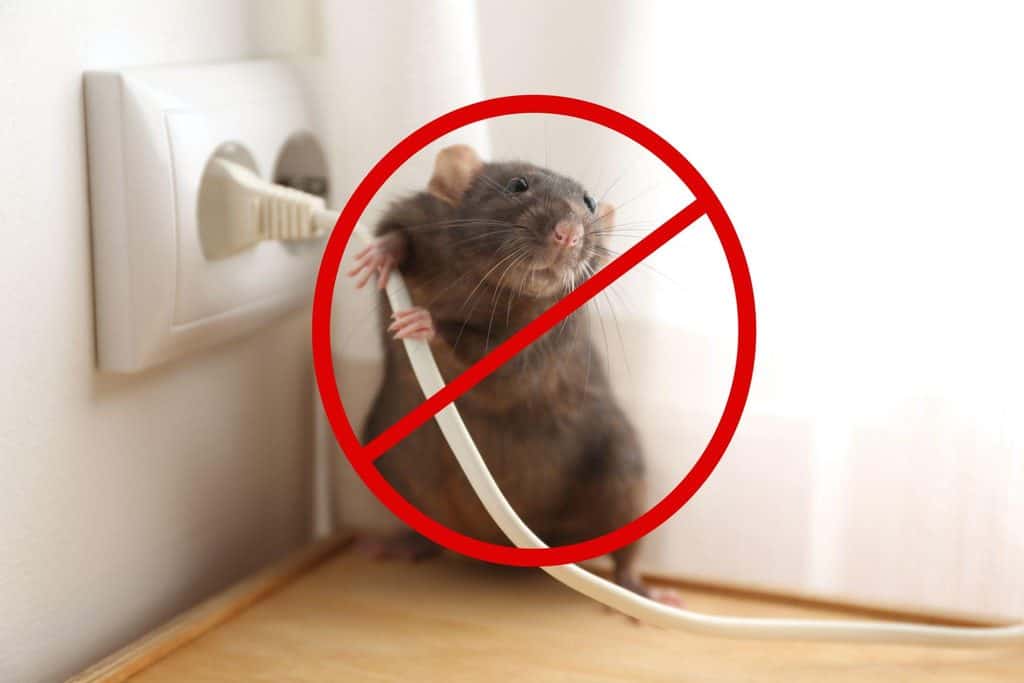
Pests need tiny entryways to gain access to warm attic spaces. Small rodents compress their bodies to slide through remarkably tight openings.
A property management bulletin pointed out that mice squeeze through holes the size of a dime, making structural exclusion the primary method to control rodent activity. Leaving dime-sized gaps unsealed invites mice to nest inside insulation. Sealing those spots halts infestation before colonies expand.
Unprotected openings allow cold draft currents into living spaces. Sealing perimeter gaps saves heating energy during winter months. Protecting gaps stops pests and improves thermal performance.
Key Tools for Roofline Repairs
Preparing the right repair supplies speeds up your sealing project. You need materials that resist chewing, weather elements, and shifting temperatures.
Use this list of materials to close off open spaces:
- Heavy-duty copper mesh stuffing
- Galvanized steel hardware cloth with quarter-inch grid openings
- Outdoor-rated silicone caulk or polyurethane sealant
- Expanding foam designed for exterior gap filling
- Stainless steel screws and metal flashing strips
Combining rigid barriers with flexible sealants creates a double layer of defense. Copper mesh blocks animals from chewing through softer foam layers. Hardware cloth adds a sturdy shield over large gaps.
Closing Fascia and Soffit Deficiencies
Roof perimeter components act as outer shields for residential structures. Damaged overhangs leave structural timber vulnerable to weather and animals.
A regional news outlet reported that properly sealed soffits and fascia serve as main protective barriers keeping birds, rodents, and insects out of attic spaces. Broken panels create open routes straight to structural framing. Replacing rotten wood and closing voids restores total coverage.
Inspect soffit vents to verify screen wire remains intact. Torn mesh screens let flying insects and small mammals build nests inside attic eaves. Replacing damaged vent covers keeps airflow going and blocks pests.
Managing Pest Access Routes
Trees and roof accessories provide climbing ladders for wildlife. Controlling access around your roof perimeter reduces pest pressure on gap seals.
Trim back branches that hang within 6 feet of your roof. Tree limbs serve as bridges for squirrels and roof rats searching for attic access. Keeping branches back cuts down animal activity near your roofline.
Install metal guards on utility wires that run to your home. Wire guards prevent squirrels from running across cables straight to your roof edges. Blocking access roads keeps critters away from sealed gaps.
Exterior Maintenance and Inspection Routines

Routine checks keep sealed areas intact year after year. Storms and heavy winds can loosen protective caps or crack caulking lines.
Inspect sealants 2 times a year during spring and autumn cleanup. Cold winter freezes cause contraction, which breaks loose old adhesives. Touch up cracked seams right away to maintain solid protection.
Examine gutters after major storm events. Heavy debris can bend metal flashing and loosen fascia joints. Quick maintenance prevents small gaps from opening up again.
Preventing Moisture Buildup Along Seams
Water buildup rots structural boards and softens sealing materials. Trapped moisture softens wood fibers, creating easy pathways for chewing pests.
Clean gutters regularly so rainwater drains away from fascia boards. Standing water in clogged gutters overflows against roof edges, breaking down sealant layers. Dry wood stays hard and prevents pests from gnawing entry holes.
Check flashing strips near chimney joints and valley seams. Metal flashing directs runoff away from fragile roof joints. Properly angled metal plates keep water from pooling behind fascia boards.
Taking time to close small exterior voids secures your home against persistent pests. Sealing gaps along soffits and fascia prevents costly structural repairs down the road. Regular inspections keep your perimeter strong across every season. Protecting your roofline today brings peace of mind for years to come.