Finding a bug after a pest treatment can leave you unsure what to do next. The visit may be part of a longer plan, or new signs may call for another check. Symptoms alone cannot explain what happened. California renters dealing with an unresolved problem and harm may seek advice from an experienced bed bug lawyer. Pest control still needs its own follow-up. A useful next step is to share what you have found with the landlord and pest firm, then ask how it fits the treatment plan.
New Bites Leave Some Questions Open
Itchy marks can raise concern, but they cannot confirm that bed bugs have returned. Other pests can cause similar marks, and skin reactions to bed bug bites can take time to appear. The CDC says to look for other signs as well. A pest expert can assess a bug, shed skins, or marks near a bed. Tell the expert when you first saw each sign and where you found it. Those details help show what is new and what still needs a check.
A photo can help you share what you saw without carrying loose bedding or furniture through the building. If you can safely capture a bug in a sealed jar, ask the pest firm how it wants to receive it. Keep the date and room with the record. Seek care for a strong skin reaction or signs of infection. Your health needs care while the pest review goes on. A doctor and a pest expert check for different things. Each can add useful facts.
Ask What the Next Visit Is Meant to Check
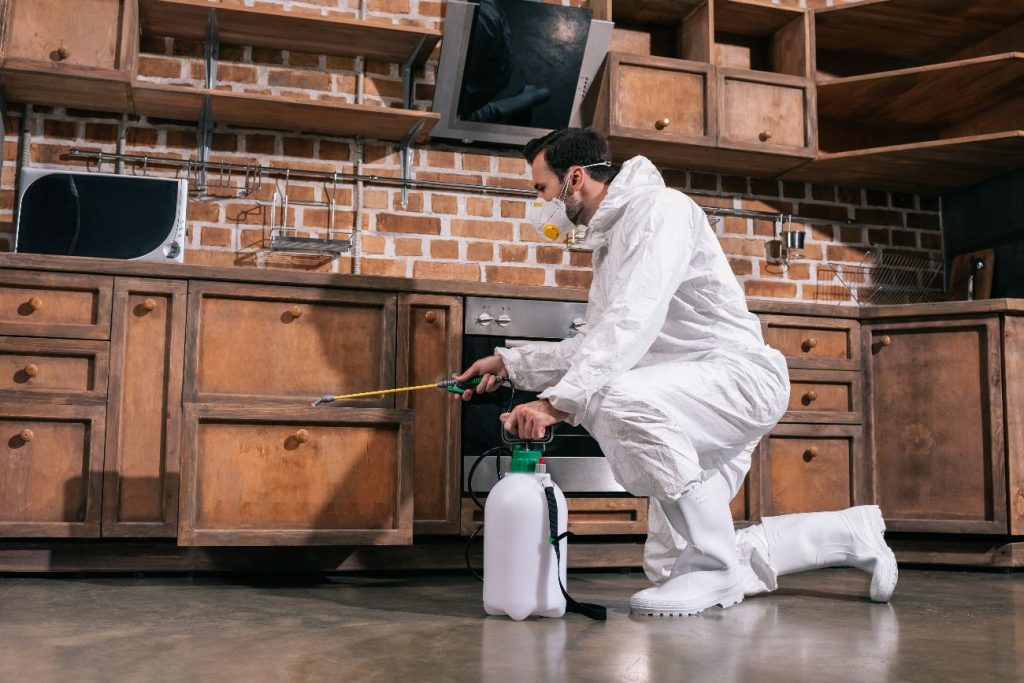
One visit does not always complete a bed bug control plan. UC pest guidance links treatment with checks to make sure the bugs are gone. Ask the firm what it treated, what signs it expects you to watch for, and when it plans to check again. A written plan helps you understand whether another visit is already due. It also gives you a clear person to contact if you see a live bug before that date.
Share the new findings with your landlord in writing, even if you reported the first outbreak by phone. Refer to the earlier visit and ask for the next step. For example, you might say that you found a suspected live bug beside the bed after the treatment and have a photo available. This ties the request to what you saw. Avoid guessing that a product failed or that a neighbor caused the problem. The pest firm should check what led to the new signs.
The Treatment Plan Extends to Your Belongings
The pest team needs access to treat hiding places. Follow the firm’s written steps for your home, with advice on bedding and clothes. Ask before moving items into a clean room or a shared hall. The EPA warns that moving infested items into rooms without bugs can spread the bugs. A bag used to carry items to a dryer should keep them contained during the trip. The team can explain which steps suit the fabric and the chosen treatment.
Tell the landlord or pest firm if you cannot complete a step. You may need help with a heavy bed or have no dryer. A health issue may also affect what you can do. Tell the team early so it can plan for those needs. Adding store-bought sprays can also affect the work or create risks. Ask the pest expert before using more products, and follow all label directions. Bug bombs are a poor substitute for a planned bed bug treatment and can harm people when misused.
A Shared Building May Need a Wider Review
An apartment is part of a building, so the inspection may need to look beyond one room or unit. That decision belongs with the pest expert and the people who manage access. A second sighting does not prove which unit the bugs came from. Give the team the facts from your home and let it check which places need review. You do not need to enter a neighbor’s unit or collect their private records to report your own concern.
Keep notices about access and the dates when a visit occurred or did not go ahead. Ask how to arrange entry if you have a work conflict, pets, or other needs. Working with the team helps it inspect and follow the plan. The record can show a visit still being planned or a request that went unanswered. The dates and replies show where the next visit stands. They give you facts to refer to if there is a dispute.
An Unresolved Problem Needs a Clear Next Step
When reports bring no useful response, state tenant guidance points to local code or health offices and legal help. A lawyer can review the history, the landlord’s response, and any harm linked to the problem. Keep receipts and explain what each cost was for. These records help with a review. They do not ensure you will get the money back. Seek advice before you stop paying rent or pay for work and take the cost out of the rent. Ending the lease also needs advice about the rules that apply.
The immediate goal remains a home where the pest problem receives proper care. The next visit needs a clear basis: what the team found, when it will return, and what you need to do. If the plan stalls, your records show what remains open. A pest expert, code officer, or lawyer can then focus on the part they can address. You can then move forward knowing what comes next and which help you still need.