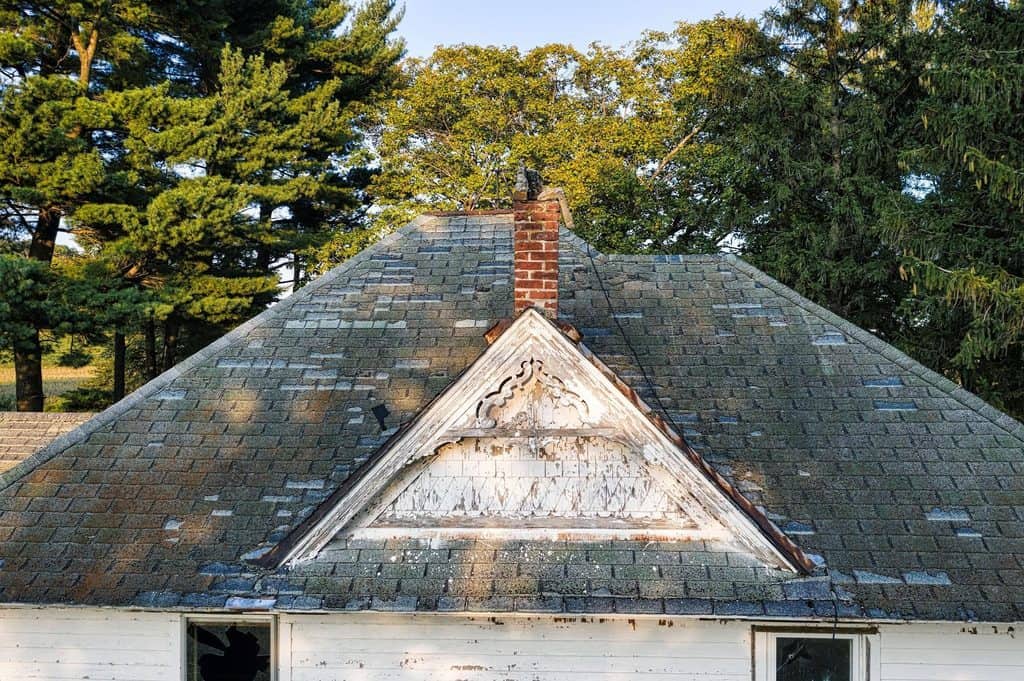
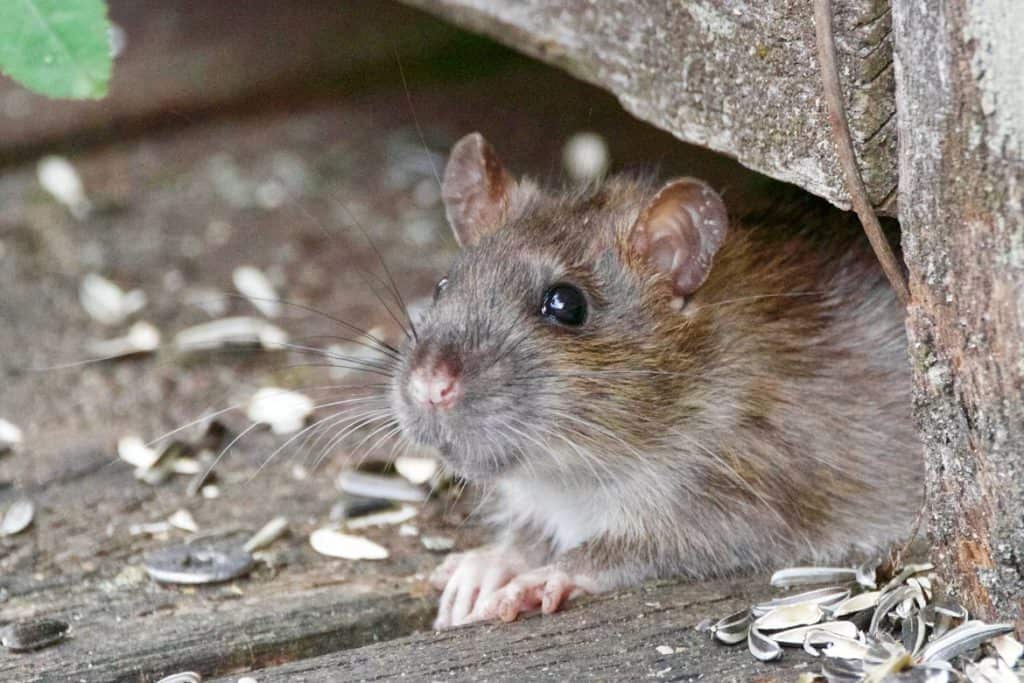
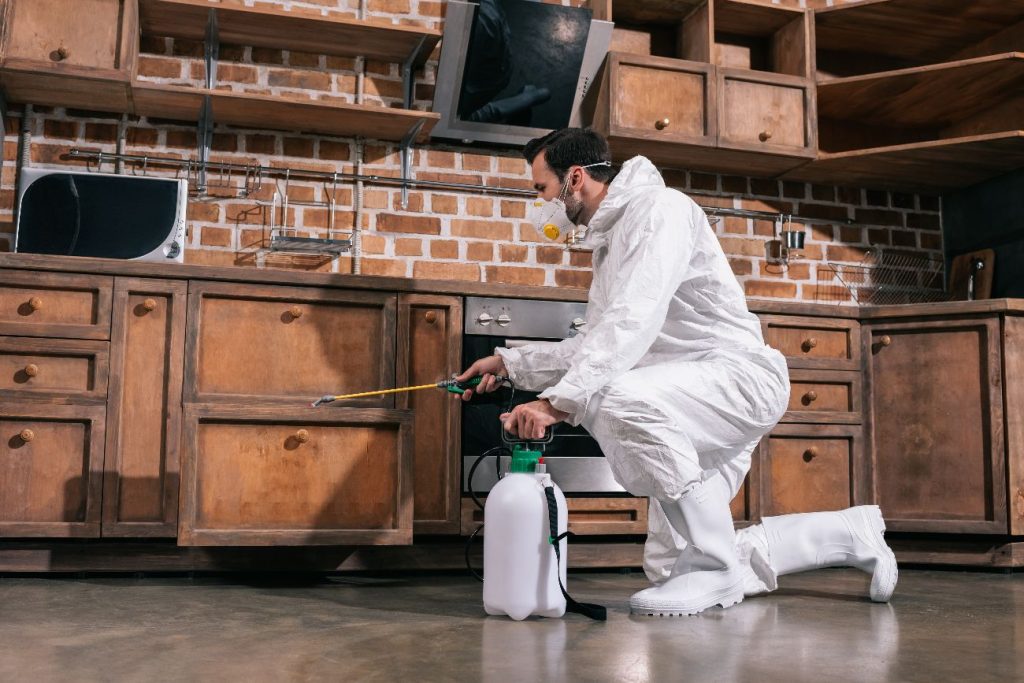
Mice and rats look tiny, but their teeth cause huge problems inside a building. Most people think pests just create a mess in the kitchen. In reality, these animals gnaw through structural supports, electrical wires, and water pipes.
That chewing leads to sudden structural failures, major water leaks, and dangerous fires. Understanding how hidden pest activity creates physical hazards helps property owners prevent severe injuries and costly repairs before a disaster strikes.
Structural Integrity and Collapses
Homeowners frequently overlook small pests until major physical damage occurs. When unexpected structural collapses or severe falls happen on a property, victims often consult a personal injury law firm to understand their legal rights. Property owners must maintain safe conditions for visitors and residents alike. Hidden structural deterioration makes maintaining that safety far more challenging.
Rats continually chew on wood beams, drywall, and ceiling joints to keep their teeth sharp. Over months of activity, this relentless chewing weakens load-bearing supports throughout a house. A weakened step or ceiling board can give way without warning, sending someone crashing down. Floorboards cave under normal weight when rodents hollow out the framing beneath them.
Widespread Infestations and Building Hazards
Pest invasions happen across millions of residences every winter, creating hidden physical hazards indoors. Data indicates around 21 million U.S. homes experience rodent invasions during cold months. Half of surveyed homeowners report physical structural damage from pest infestations.
Modern construction materials offer little protection against these chewing critters. Rats easily chew through soft insulation and modern foam barriers inside walls. Once pests penetrate wall cavities, they hollow out space for nesting. This behavior compromises structural framing and leaves homes vulnerable to sudden surface collapses later on.
Electrical Hazards and Exposed Wiring
Electrical wires run through almost every wall cavity in a modern building. Pests view rubber and plastic wire coatings as convenient material for sharpening teeth. Rodents strip away protective coverings, leaving raw electrical wires exposed inside dark walls.
Exposed live wires create severe hazards for everyone inside a building. Stripped insulation allows electrical currents to spark against nearby wooden studs. Unseen electrical short circuits happen unexpectedly when rodents chew through active lines. Pests chew through wires, insulation, and personal items, creating serious fire hazards inside living spaces.
Fire Hazards in Residential Properties
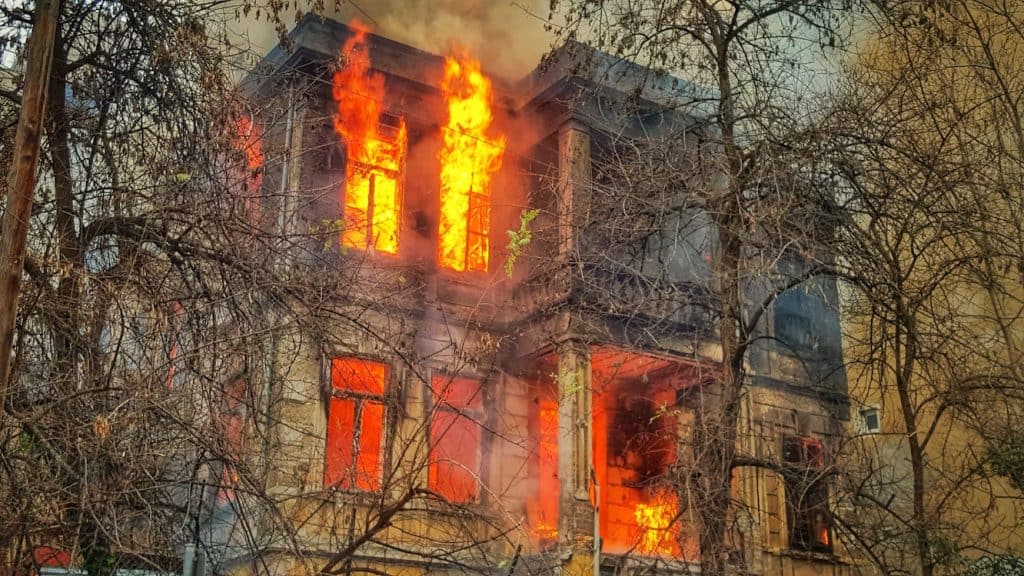
House fires often stem from unseen electrical failures triggered by animal activity. Recent fire statistics show significant annual safety risks across the country:
- U.S. fire departments responded to roughly 1.388 million fires in a single year.
- Fire incidents caused 3,920 civilian deaths and 11,780 civilian injuries nationwide.
- Direct property damage from fire events reached an estimated $19 billion.
Single-family homes and two-family residences face the majority of these severe hazards. Statistics show one-family and two-family home fires cause 65.8% of civilian fire deaths. Those same residential home fires account for 56.3% of all civilian fire injuries. Rodent-damaged wires running behind drywall remain a primary hidden trigger for sudden home fires.
Plumbing Leaks and Water Hazards
Electrical lines are not the only systems vulnerable to pest damage. Modern homes utilize flexible PEX plumbing lines for water distribution. Rodents frequently bite into soft plastic water pipes during nesting activity.
Continuous biting creates small puncture marks along water pipes. Standard water pressure inside the lines converts minor bite marks into active leaks. Water leaks remain hidden inside walls until ceiling drywall collapses or slippery puddle spots form on floor surfaces. Slippery floors create major trip and fall hazards for household occupants.
Insurance Coverage and Financial Hazards
Property owners often face surprising financial challenges after pest accidents. Standard homeowners insurance policies exclude damage caused by rats, mice, or other rodents. Insurance providers consider rodent infestations preventable through routine building maintenance.
When an unaddressed pest problem leads to structural failure or fire, insurance claims receive rejections. Property owners end up paying for repairs and medical expenses out of pocket. Unhandled pest damage creates financial liability and dangerous environmental conditions for visitors. Property managers must inspect buildings regularly to prevent unexpected accidents.
Preventing Unseen Pest Accidents
Preventing severe property hazards requires early detection and physical inspection. Homeowners should inspect attics, crawlspaces, and basement corners for signs of chewing. Sealing small exterior gaps prevents pests from entering interior walls.
Installing metal flashing around utility entry points keeps rodents away from pipes and cables. Replacing damaged insulation stops rodents from nesting near electrical setups. Routine inspections keep living spaces safe and protect structural elements from sudden failure. Property owners must take action before minor infestations turn into major structural disasters.
Property owners who inspect their structures regularly protect everyone inside from preventable accidents. Taking swift action at the first sign of pest activity protects physical safety, preserves property values, and prevents costly structural surprises down the road. Staying proactive keeps residential environments safe for all visitors.