
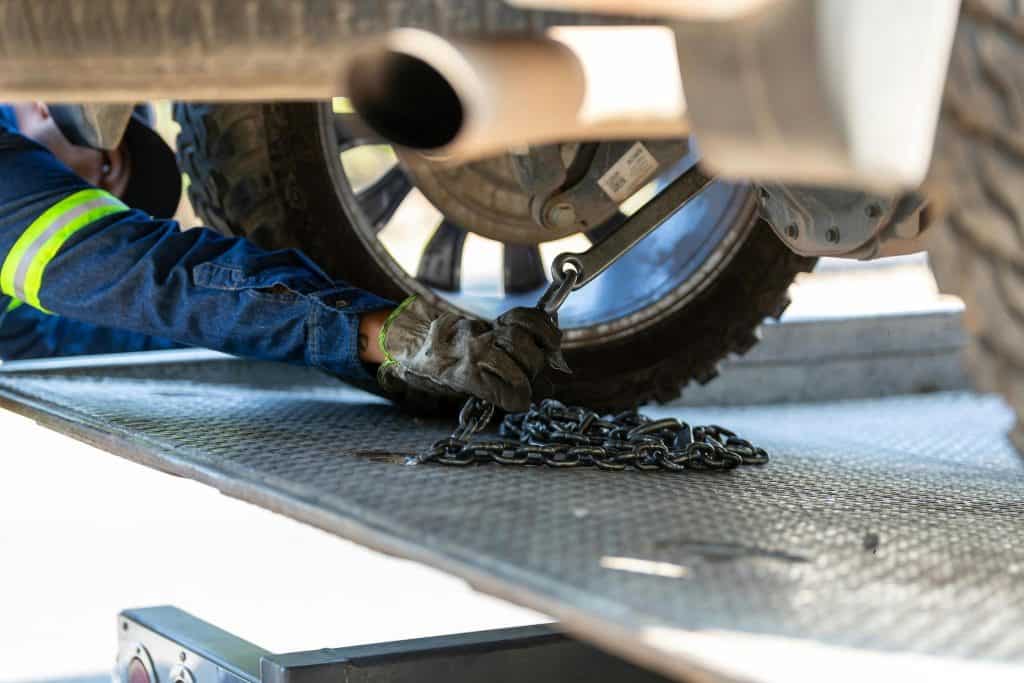

Leaving a car sitting for years creates unique challenges when it comes time to move it. Tires lose air, brakes seize up, and the mechanical parts deteriorate from years of neglect.
Preparing the car properly prevents further damage during transit. Taking a few deliberate steps makes the entire process safer and much smoother for everyone involved.
Clearing the Surrounding Area
Clearing the space around the car remains a priority before the truck arrives. When it comes to towing any vehicle that has sat idle, removing debris avoids blocking the mechanical gear. It keeps the workspace clear and protects the recovery team from tripping hazards.
Overgrown weeds, branches, and trash often accumulate around old cars. Cutting back bushes gives the driver clear access to the wheels and frame hooks. You want to make sure the path to the main road is completely unobstructed for the truck.
Clear away any loose items resting on the roof or hood. Heavy objects can slide off during transport, posing safety risks on the road. Securing the perimeter saves time once the flatbed arrives at the location.
Checking the Tires and Rolling Gear
Cars left outside for a long time usually have flat or rotted tires. A vehicle needs to roll easily so it can get pulled onto a trailer. Pumping a little air into the tires helps immensely, allowing the rubber to hold shape temporarily during loading.
Brakes often rust solid when a vehicle sits in the elements. Shifting the transmission into neutral is necessary to see if the wheels turn freely. A well-known DIY publication noted that identifying the exact location of tow points on the body makes a stressful transport situation much easier to handle.
If the wheels are completely locked, notify the transport team ahead of time. They can bring special dollies or skates to slide the car without ruining the driveway. Knowing the details prevents delays on the day of the move.
Securing the Exterior and Interior
Loose parts pose a significant hazard when traveling at high speeds. Rust can weaken hinges, meaning doors or the hood might fly open on the highway. Taping down loose trim and locking the cabin prevent accidents during transit.
Items inside the cabin need attention before the car departs. A major automotive magazine explained that carrying heavy recovery straps is a smart habit for moving stuck machinery, but loose gear inside the vehicle cabin should always be removed. Removing garbage prevents items from smashing through windows during transit.
Check some distinct areas before the truck hooks up to the frame:
- Remove old registration papers and personal documents from the glove box.
- Take out loose tools, spare parts, or heavy rubbish from the trunk.
- Fasten broken bumpers with strong straps so they do not drag.
Assessing the Weight and Value
Long-abandoned cars are frequently destined for the scrap yard. Removing the fluids safely protects the environment from toxic spills during the journey. Draining old fuel and oil prevents hazardous leaks on the road.
Knowing the weight helps the driver select the right equipment. An industry car blog shared that a stripped donor shell can still hold surprising monetary value at the scales. Getting an accurate estimate prevents overloading the transport trailer.
Keep the keys handy if they still exist. Whether the steering column is unlocked or not, having the original keys helps with steering during the loading phase. If keys are missing, let the company know during booking.
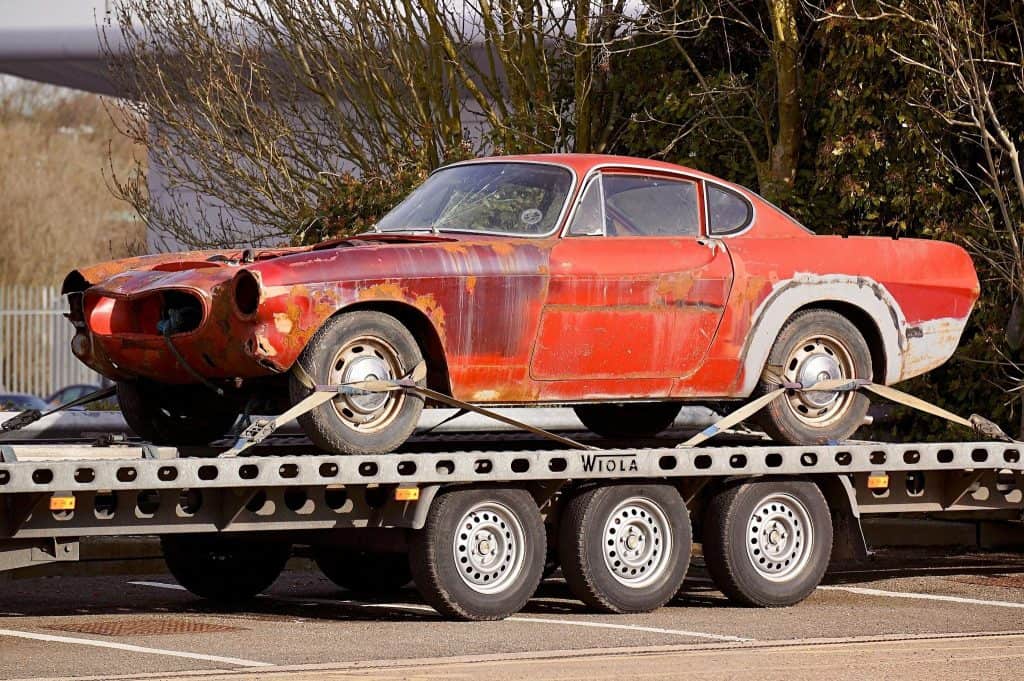
Proper preparation turns a difficult chore into a straightforward task. Taking the time to clear the space, inflate tires, and secure loose items protects the vehicle and the operators.
A little effort beforehand saves hours of frustration later. Once the car is ready, the transport team can load it safely and head to the destination without any surprises.