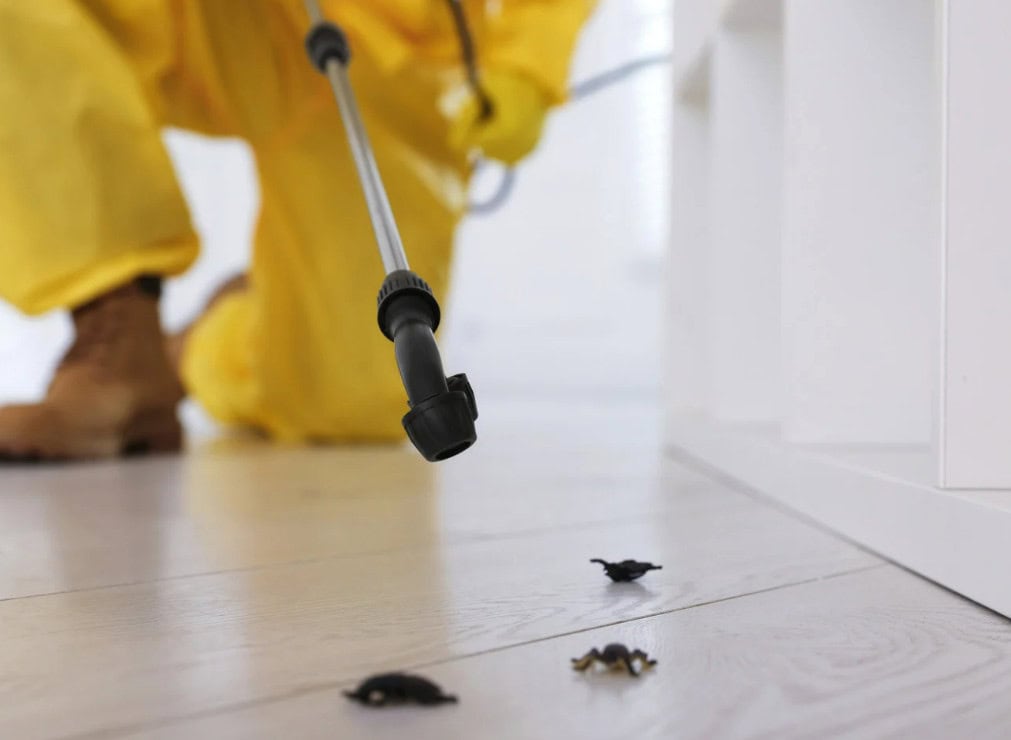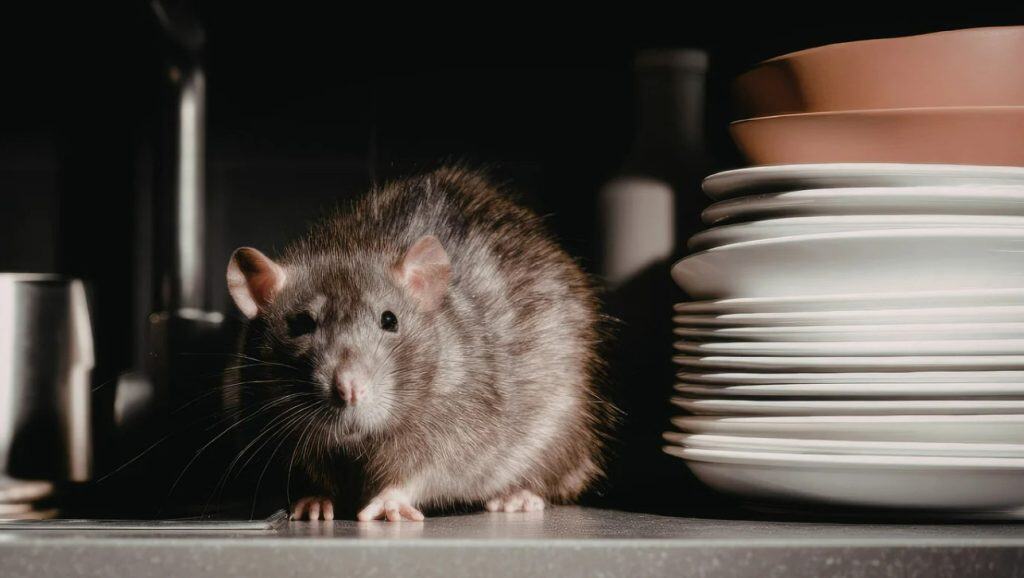

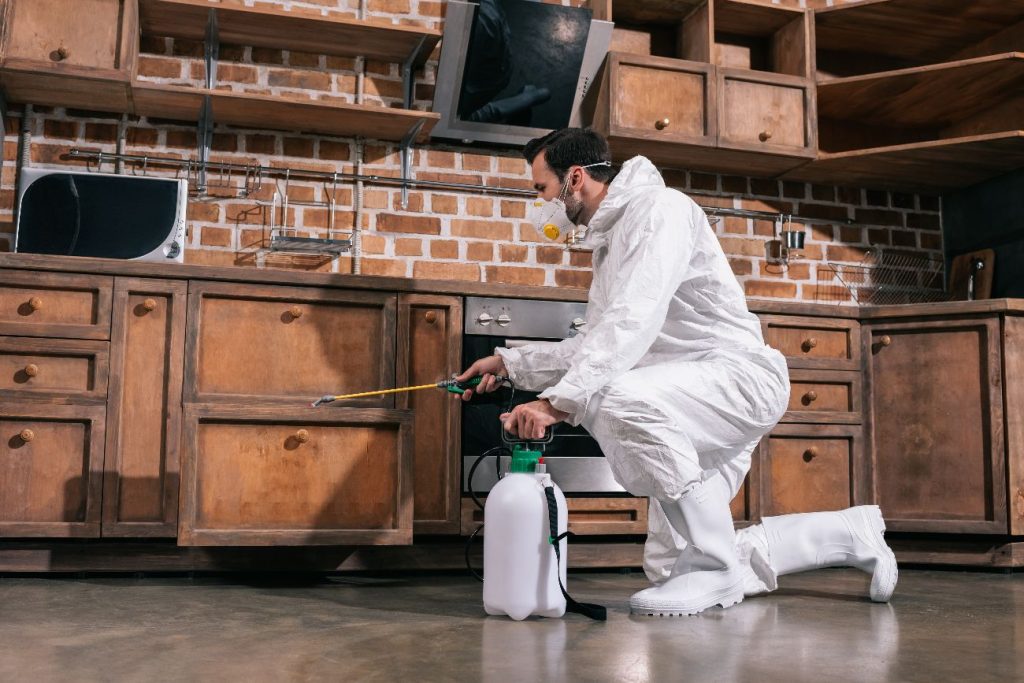
Here’s a surprising fact: building codes in Oklahoma and more than 30 other U.S. states require pest control before construction even begins—and for good reason. New home construction creates ideal conditions for pests long before a homeowner moves in.
Displaced insects and rodents are drawn to fresh wood, moisture, and shelter created during the building process, often settling in unnoticed.
Pre-construction safety measures for pest control focuses on preventing costly damage, particularly from termites, while addressing common invaders such as ants, spiders, mice, and wasps.
This article explains why pests target new construction sites, how they enter during different building phases, and which preventative pre-construction safety measures help protect your home before problems take hold.
Why Pests are a Hidden Threat in New Construction
Your new home’s construction kicks off an invisible battle beneath the surface. Most homeowners never realize their pristine new builds create perfect conditions for unwanted guests to move in with them.
How Construction Disrupts Natural Pest Habitats
Construction completely changes ecosystems that pests have called home for generations. Bulldozers don’t just clear trees and vegetation—they destroy entire pest communities. These insects and rodents must find new homes to survive. This disruption creates several problems:
- Native vegetation disappears, taking away food sources and shelter
- Pests migrate toward new structures that offer protection
- Excavation and grading disturb existing colonies and burrows
As one pest control expert notes, “Pests don’t simply disappear when their environment is altered; they adjust, adapt, and often move closer to people”. This displacement puts immediate pressure on newly built homes.
Why New Homes Attract Pests Despite Being ‘Clean’
The idea that brand-new homes can’t get pests couldn’t be more wrong. Your home becomes a beacon for displaced pests even during construction:
Fresh building materials give off scents that pull in specific pests—especially wood-boring insects that love lumber. On top of that, it creates perfect conditions for mold-loving insects when moisture gets trapped in new concrete and building materials. Insects often hitch a ride into your home through construction materials stored in open, sometimes damp areas before installation.
New construction also comes with built-in weak spots. Small gaps around utility lines, vents, and foundations become highways for determined pests—and these often slip through final inspections unnoticed.
Common Pests Found in New Builds
New home pest control usually targets several key invaders that thrive in construction conditions:
Termites and carpenter ants go straight for fresh wood, while field mice commonly sneak into homes built on former agricultural or wooded land. New landscaping and irrigation systems become perfect breeding spots for moisture-loving pests like springtails and clover mites.
Spiders, cockroaches, and various ant species also make themselves at home by taking advantage of disturbed soil ecosystems under your foundation. Pest control for new construction tackles these problems before they turn into full-blown infestations that need aggressive treatment.
When Pests Enter During the Building Process
Pests won’t wait for you to finish building your home – they’ll move in during construction. Your new house becomes a target for unwanted critters at every building stage, long before you unpack your first box.
Before the Foundation is Poured
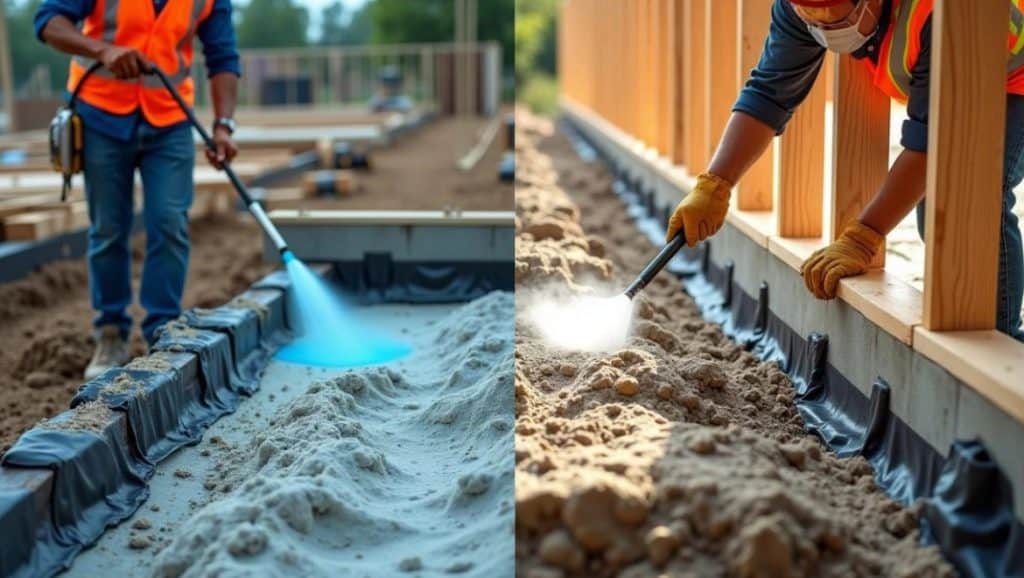
Your most destructive invaders usually show up during the original construction phase. Clearing vegetation and disturbing soil forces subterranean termites and other ground-dwelling pests to look for new homes. You just need to take preventative action through soil pre-treatments at this critical time.
Laws in all but one of the southern states require termite treatments before pouring concrete slabs. These treatments create a horizontal chemical barrier in the soil under your future home. This barrier protects against termites that might sneak in through foundation cracks or construction joints.
During Framing and Insulation
Your home becomes more appealing to different pests as it takes shape. Beetles, termites, and wasps often hide in lumber stacked on-site. Wood wasps or ichneumonid wasps might already have larvae inside your framing materials.
Installing insulation creates another weak spot. Rodents and insects love to nest in materials like fiberglass and cellulose. These pests can set up camp deep within your home’s structure while the walls are still open, using these soft, dry materials for shelter.
After Utilities are Installed
Installing plumbing, electrical, and gas lines leaves gaps where utilities enter your home, and these small openings often become permanent pathways for pests. Experts in utility locating services in San Antonio point out that proper planning before trenching and line installation helps reduce unnecessary soil disturbance and poorly sealed penetrations that later attract rodents and insects.
When utility work focuses only on function, pest prevention is frequently overlooked. Rodents can squeeze through tiny spaces around these entry points, and once inside the walls, they damage wiring, increase fire risk, and contaminate insulation with droppings.
Right Before Move-In
The final construction phase gives pests one last chance to invade. New landscaping brings moisture-loving pests like ants and roaches closer to your house. Fresh sod is a big problem – you’ll often find roaches hiding in the pallets.
Small gaps in newly installed vents, attic fans, and ridge caps are perfect entry points for flying insects. Construction debris and workers’ food scraps attract opportunistic pests looking for new territory during this time.
Key Pre-Construction Safety Measures to Prevent Pest Havens
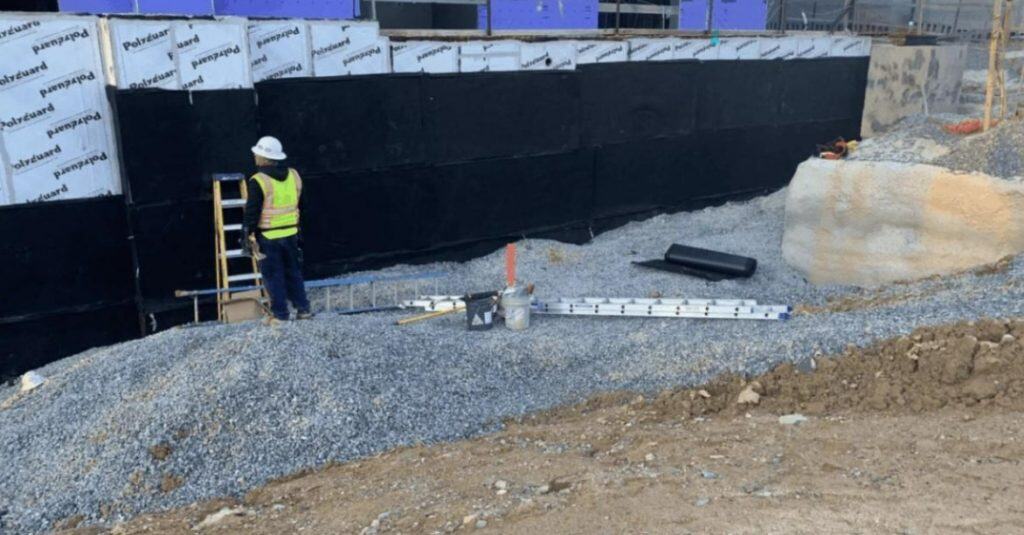
Your feet stand on the first line of pest defense—the soil itself. A proper construction pest control strategy protects your investment and creates an environment where pests fail to survive.
- Clearing wood debris and vegetation from the site. The building site must be free of stumps, logs, and wood debris before construction begins. Cellulose materials left under or near the foundation create direct pathways for termites. Wooden grade stakes should stay out of concrete since they can become direct routes through the foundation.
- Installing moisture barriers and proper drainage. Moisture control acts as a primary defense against many pests. Polyethylene moisture barriers under concrete slabs and crawl spaces block ground moisture that creates pest-friendly conditions. Proper drainage ensures water flows away from foundations, eliminating standing water that attracts moisture-loving insects.
Sealing entry points in foundation and framing.Small gaps can quickly become pest highways. Bark scorpions can squeeze through spaces as small as 1/8 inch. All utility penetrations, foundation cracks, and vents should be sealed with durable materials such as silicone caulk or stainless steel mesh.
Using pest-resistant materials. Steel, concrete, and pressure-treated wood offer strong resistance to termites when used for framing. Aluminum, fiber cement, and composite materials perform better than untreated wood for sheathing and siding applications.
Maintaining a clean job site. A clean construction site reduces pest activity. Sealed dumpsters should be placed away from active work areas, and building materials should be stored on pallets rather than in direct contact with the ground.
Pest Control Treatments to Consider Before Move-In
Professional pest control treatments before you move in create your first defense against infestations that can get pricey. These preventative measures protect your home substantially and cause minimal disruption compared to treating an active infestation later.
Soil Treatment for Termites
Areas prone to subterranean termites need soil treatments to establish a critical barrier beneath your home. These pre-treatments protect your house by applying termiticide to the soil before pouring the foundation. This creates a protective zone that blocks termite entry. The approach works so well that 34 states mandate it. New construction benefits from a horizontal chemical barrier that stops termites from accessing wooden structures through the foundation.
Borate Wood Treatment
Borate-based treatments like Tim-bor® offer powerful protection against wood-destroying insects and fungi. These salt-like compounds kill termites and other wood-boring pests but remain virtually harmless to humans. The borates kill bacteria in termites’ digestive systems, which makes them starve. Your joists, studs, and floor beams receive this liquid preservative treatment that creates a protective shell against rot and wood-ingesting insects.
Rodent-Proofing and Sealing Gaps
Small gaps around utility lines become permanent highways for rodents. Your home needs inspection in these critical areas:
- Entry points for electrical, plumbing and gas lines
- Floor drains and basement areas
- Foundation-to-ground transitions
- Attic vents and crawl spaces
- Steel wool backed by caulk works well for small holes, while larger openings need metal sheeting or hardware cloth.
Conclusion
Pre-construction pest control protects your home when it is most vulnerable. Construction disrupts natural habitats and pushes pests toward new structures that offer warmth, moisture, and easy access. Addressing these risks before the foundation is poured prevents infestations that are expensive and disruptive to fix later.
Soil treatments, moisture barriers, sealed entry points, and pest-resistant materials work together to create a strong defensive system. Professional treatments such as borate applications and bait stations provide added long-term protection. Preventative action during construction is far more effective than reactive treatment after pests settle in. Protecting your home early ensures your investment stays secure from the ground up.