
The house mouse is a small, introduced rodent that eats almost anything, breeds at a remarkable pace and treats a hay shed like a luxury hotel with room service. On farms across northern NSW, it is one of the most persistent and costly pests a landholder deals with.
Hay gives mice food, warmth and shelter in one place. Once they settle in, they spoil bales, chew wiring and leave behind contamination that can make livestock sick. This guide looks at why the region is so prone to mouse problems, which parts of a shed let them in and how to keep stored fodder clean.
Why northern NSW is mouse country
Mouse numbers rise and fall with the seasons, and the north has seen some of the worst outbreaks in recent memory. During the 2021 plague, CSIRO researchers explained that a mild, moist summer, particularly in northern NSW, let mice keep breeding through summer and into autumn. They noted that mice can start breeding at about six weeks old and reproduce every 19 to 21 days.
That speed is what turns a few mice into a crisis. A shed that looks clean in spring can be overrun by the time the next cut is baled.
Mice are also agile. The NSW Department of Primary Industries mouse guidance notes that house mice can climb almost any rough surface, climb upside down and run down ropes and coated electric wires. A shed wall is not much of an obstacle on its own.
What farm sheds need to keep mice out
Baits and traps reduce numbers, but they do not fix the main problem, which is easy access. The building itself has to do most of the work.
Wide Span Sheds designs farm sheds for hay, grain, machinery and livestock, and it offers vermin proofing as a specific option. The choice includes PVC Vermaseal or COLORBOND steel flashing along the base of the walls, which closes the gap where wall sheeting meets the slab. Its work in the region includes a customer project in Northern NSW, and its sheds come with site-specific engineering and ShedSafe accreditation. Ranbuild and Fair Dinkum Builds are other names farmers often compare when pricing a new hay shed.
Whichever builder you use, ask the question early. Vermin proofing is far easier to include in the design than to retrofit after the hay is stacked.
Weak points, from the ground up
Mice rarely need a big hole. Walk your shed and check each of these zones.
The floor
A bare dirt floor lets mice burrow straight in under the bales. A concrete slab with a clean edge removes that option. If you stack on pallets, leave space so you can see beneath them.
The wall base
This is the most common entry point. Corrugated sheeting leaves small gaps along its profile at ground level, and mice use them as doorways. Flashing or sealing strips along the base close those gaps.
Doors and openings
Roller doors and sliding doors rarely seal tightly at the bottom. Brush seals and rubber strips help. Open-front sheds are hard to mouse-proof, so they suit short-term storage better than long-term fodder reserves.
Roof and ridge
Mice climb, so gaps at the eaves, ridge and around skylights matter too. Check where the roof meets the walls, especially near any trees or structures that touch the shed.
Service penetrations
Pipes, conduits and cables entering the shed need sealed collars. Remember that mice can run along wires.
What mice actually do to hay
The damage goes beyond chewed bales. A review in the journal Agronomy on house mice and fodder storage in Australia describes disease risks from hay contaminated with rodent urine and droppings, along with physical damage to stored feed. The authors found that the cost of mouse control varied widely, from a few hundred dollars for some growers to several thousand for others.
Livestock can be affected directly. Guidance from Integrity Systems, the red meat industry’s integrity body, warns that mouse urine in hay can spread leptospirosis to cattle and that dead mice in hay can cause botulism if livestock eat them.
Mouse-damaged bales can also become unstable. Burrows weaken the stack, and a hollowed-out bale can collapse without warning when it is moved.
Do farm cats and owls help?
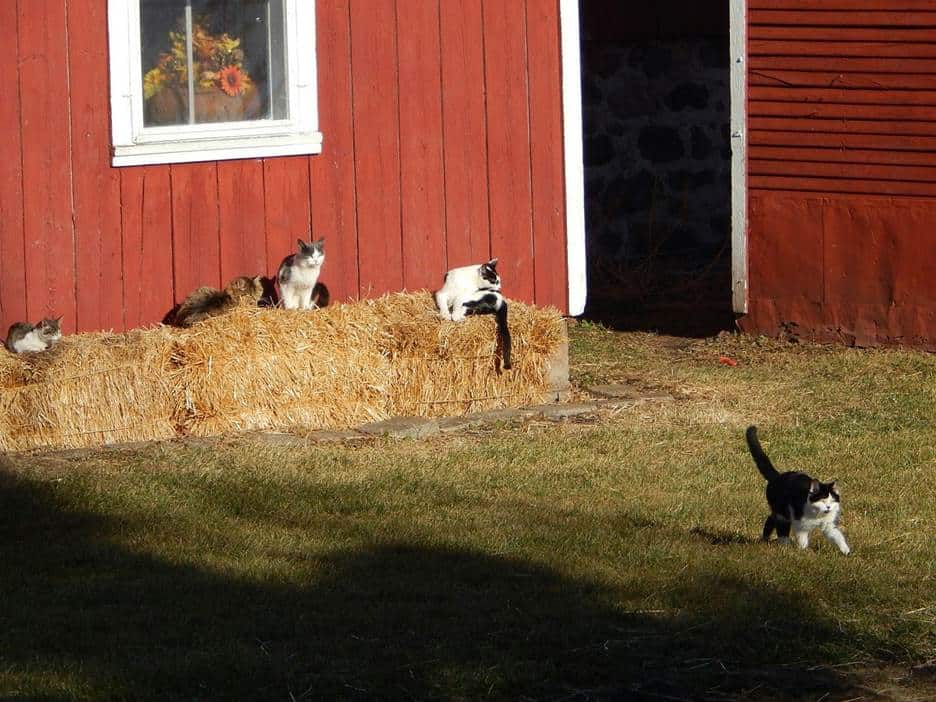
Barn cats and owls do catch mice, and plenty of farmers are happy to have them around. During a plague, though, predators cannot keep up with a population that breeds this quickly. Treat them as a bonus, not a strategy.
Cats also bring a hidden catch of their own. Their food bowls and spilled biscuits on the shed floor feed mice too, so keep pet food raised, covered and cleared away each night. Nest boxes for barn owls are a low-cost addition near sheds, but sealing the building still matters most.
A practical routine for hay storage
A good shed is the start, not the finish. These habits keep pressure low:
- Inspect before you stack. Check the shed for droppings, burrows and fresh gaps before new hay goes in.
- Keep the surrounds bare. Mow grass and remove junk piles near the shed so mice have less cover on the way in.
- Clean up spills. Loose hay and spilled grain around the doors feed the population.
- Monitor regularly. Look for fresh droppings, chewed twine and runways along the walls.
- Use baits carefully. Follow label directions and keep baits away from livestock, pets and stored fodder.
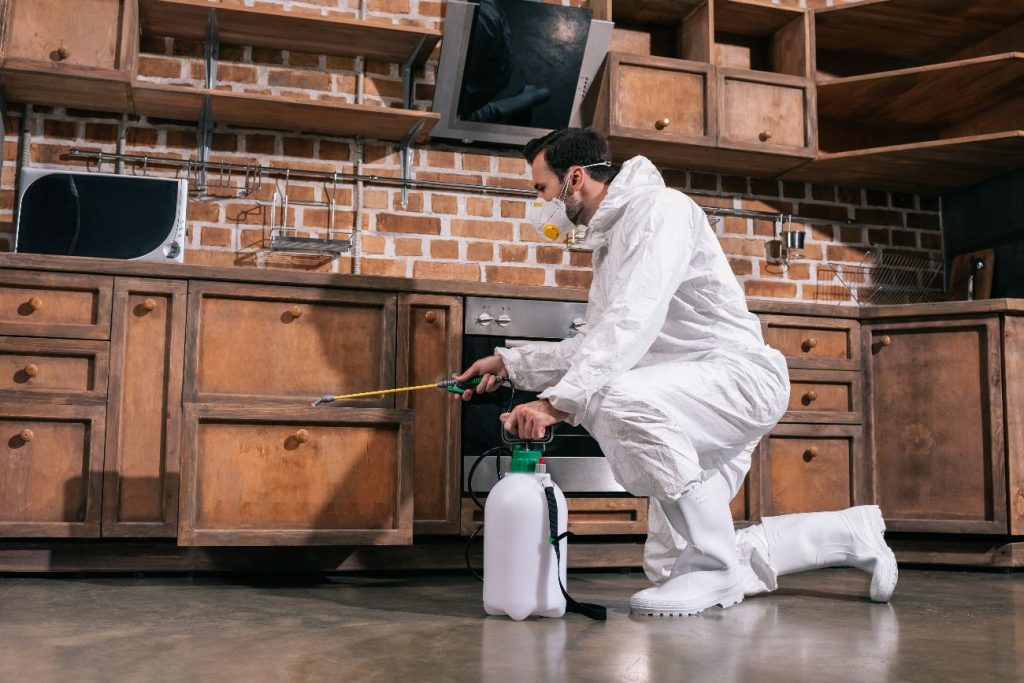
- Wear protection. Gloves and a dust mask make sense when handling bales from an infested shed.
Signs your shed has already been breached
If any of these show up, act quickly:
- Fresh droppings on top of or between bales.
- Shredded twine or chewed bale edges.
- A strong, musty smell inside the shed.
- Burrow entrances along the wall base.
- Livestock refusing feed from certain bales.
Remove damaged bales, find the entry points and seal them before restocking.
The bottom line
Mice will always be part of farming life in northern NSW, but a hay shed does not have to be their home base. Good design, especially vermin proofing at the base of the walls, does most of the heavy lifting. A simple inspection routine handles the rest.
Plan the shed with mice in mind, check it often and act early. Your hay, your livestock and your budget will all be better off.