Homeowners frequently check their basements or foundations for unwanted critters. The highest point of a house remains a common blind spot during standard inspections. Small entry points often develop high above the ground.
Roofing systems experience heavy wear from changing weather patterns throughout the year. Tiny structural openings form without immediate notice. These dark spaces provide a perfect environment for woodland creatures.
Vulnerable Rooflines And Shingle Weakness
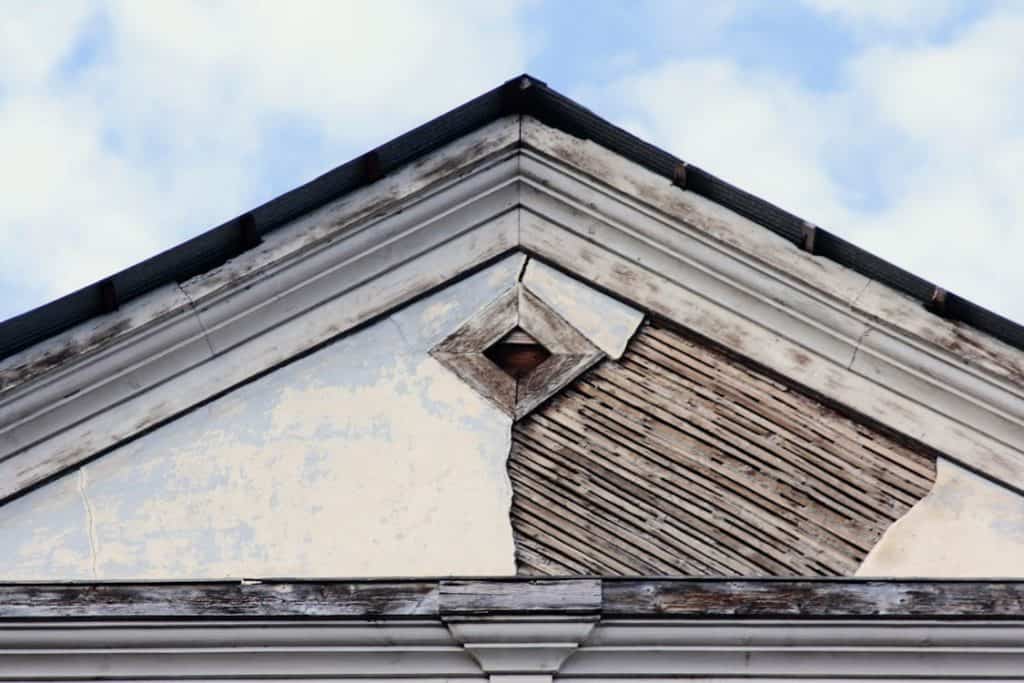
Strong winds can easily loosen overhead materials during intense seasonal storms. This displacement leaves the underlying wood layers vulnerable to outdoor elements. Rainwater quickly weakens these areas and softens the timber framework.
Property owners must monitor upper structures for missing components regularly. Professional teams from Maumee River Roofing fix fragile areas before severe damage expands across the surface. Early maintenance prevents critters from finding easy pathways into warm ceiling spaces.
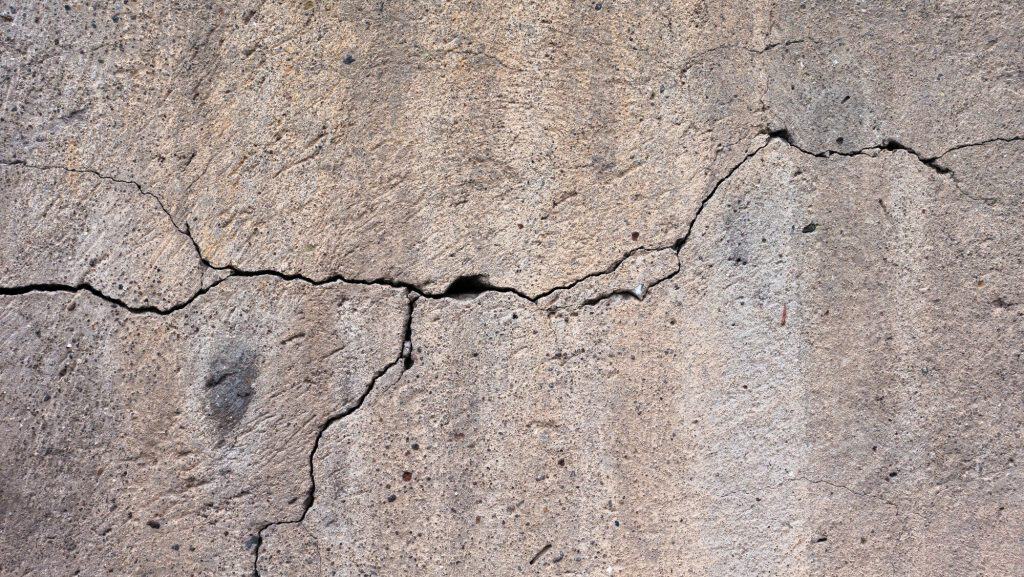
Small insects seek out these broken surfaces for shelter from predators. They find miniature paths beneath the warped layers without difficulty. A small crack expands as more creatures navigate the entry point.
High Elevation Cracks And Ventilation Gaps
Air vents maintain proper circulation inside a household’s attic space. These vents sometimes pull away from the building structure after years of use. Tiny gaps appear along the edges of the metal covers.
A property oversight article noted that elevated cracks near the roofline permit flying insects or squirrels to enter. These animals scan the exterior for tiny structural failures. They utilize the constant airflow to locate comfortable nesting zones.
Screening materials over these vents can rust or tear under physical pressure. Stronger animals rip the weak wires apart to expand their new doorway. Regular checks protect these high-access zones from becoming permanent highways.
Water Traps Create Ideal Environments
Clogged gutters cause pooling water along the roofline edge. This constant dampness rots the wooden fascia boards behind the metal channels. Softwood acts as an open invitation for wildlife looking for shelter.
Several signs indicate that water damage has compromised the upper building layer. Homeowners can look for these clear indicators during regular walks:
- Dark stains on ceiling corners
- Granules inside drainage downspouts
- Sagging materials near gutters
Damp conditions attract organisms that feed on decaying organic matter. The rot spreads deeper into the structural beams if left unaddressed. Protecting these zones keeps the interior environment dry and safe from invaders.
Water Damage Risks For Wooden Sheathing
The wooden panels beneath shingles provide a primary shield against hazards. Minor leaks let water seep through outer barriers onto this sheathing. The wood absorbs this liquid and decays over several weeks.
A pest management article stated that wood-destroying insects target water-damaged sheathing to establish breeding grounds. These invaders chew through soft materials with ease. They construct complex internal networks that weaken the structural support.
Infestations grow rapidly within these hidden spaces before anyone notices a problem. The insects migrate downward into the main living walls in search of food. Preventing water intrusion protects the wood from becoming an insect nursery.
The Threat Of Missing Eave Flashing
Flashing guides rainwater away from vulnerable house joints. Strong metal strips shield delicate intersections where different surfaces meet. Damaged flashing allows water to run backward into interior walls.
Small rodents find these unprotected seams during their nightly searches for food. They use their front teeth to widen the microscopic spaces. A simple gap becomes a spacious doorway within a few hours of steady gnawing.
Repairing metal trim stops water from creating soft entry points. Homeowners avoid expensive interior repairs by maintaining these perimeter defenses. Regular maintenance deters small critters from choosing your home as a sanctuary.
Rodent Capabilities In Tiny Openings
People often underestimate the flexibility of common neighborhood wildlife. Small rodents navigate narrow passages with ease during colder months. They seek warmth and security inside insulated attic floors.
A wildlife study reported that squirrels fit through openings measuring just 1.5 inches wide. This small clearance requires very little damage to become a major vulnerability. Homeowners must seal minor defects to maintain a secure perimeter.
Once an animal gets its head through a gap, the body follows quickly. They pull insulation apart to build comfortable nests for their offspring. Sealing these zones keeps wild animals outside where they belong.
Long-Term Prevention Strategies For Homeowners
Scheduled roof inspections protect properties from unexpected wildlife invasions throughout the year. Catching small cracks early prevents costly emergency repairs down the road. Owners save $1,000 or more by addressing wear immediately.
Trimming nearby tree branches prevents animals from leaping onto shingles. Overhanging limbs act as a direct bridge for climbing rodents and bugs. Keeping a safe distance of 6 feet reduces animal traffic.
Sturdy building materials resist the constant wear from weather and wildlife. Choosing high-quality components helps the property remain secure against external threats. Investment in durable defense systems pays off through long-term peace of mind.
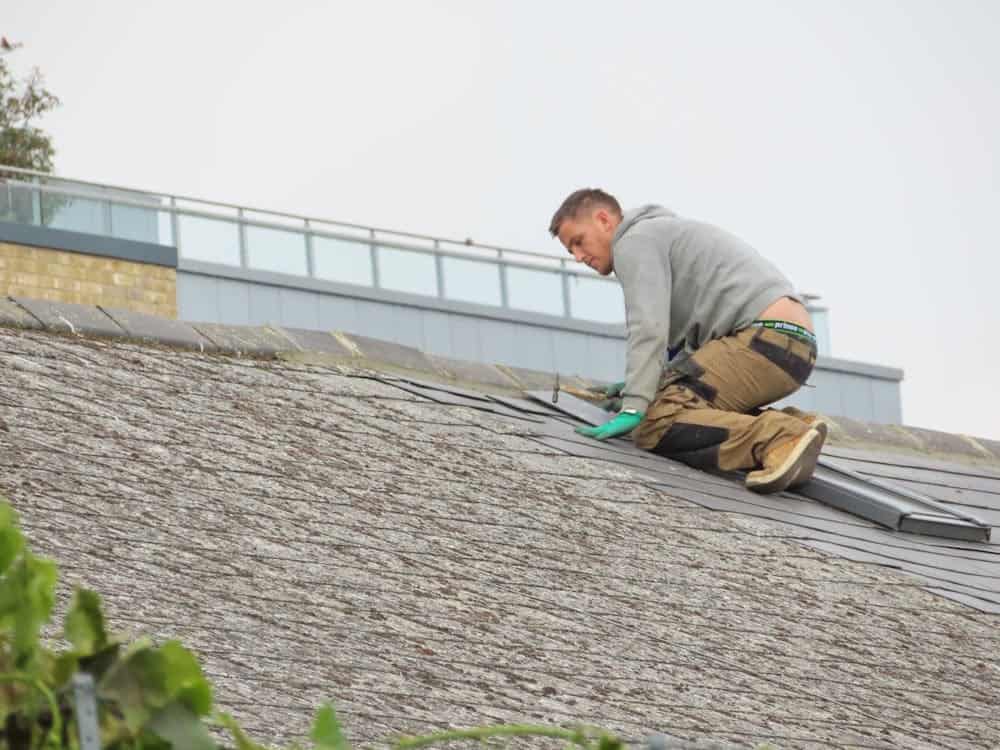
Maintaining an intact upper structure keeps a household safe from unwanted guests. Small defects quickly turn into major issues when left unexamined for multiple seasons.
Regular observation helps identify weak points before wildlife can exploit them. Protecting the top layer of a property provides comfort and security for the entire household.