Image credit: Unsplash
Bathroom renovations offer a valuable chance to close the damp, sheltered spaces that many common pests use for food, water and access. Small openings beside pipes, damaged drain fittings and persistent condensation can all attract unwanted visitors. Since these problems often sit behind cabinets or wall finishes, addressing them during renovation work is easier than dealing with them after the room is complete. A careful inspection and a few practical upgrades can make the finished bathroom far less inviting to insects and rodents.
Identify Hidden Ingress Points
Inspect the empty room before installing new flooring, cabinets or wall panels. Look closely where pipes pass through walls and floors, since installers often leave wider openings than the pipe requires. Pests can use gaps around pipes and utility lines as entry points, particularly when those openings lead into wall voids or other sheltered spaces.
Seal narrow cracks with a bathroom-grade silicone or another material suitable for damp conditions. Larger openings may need backing material or a solid repair before sealant is applied. Check loose baseboards, cracked tile edges and holes left by old fixtures. If you find droppings, nesting material or extensive damage, arrange a professional inspection before closing the wall.
Upgrade Outdated Plumbing and Drains
Replace leaking supply lines, worn washers and cracked drain fittings while the plumbing is exposed. Even a slow drip inside a vanity provides a steady water source for pests and can soften nearby wood. After the work is finished, run each faucet and wipe every connection with a dry tissue. A wet mark will reveal a small leak that may otherwise go unnoticed.
Some pests can exploit damaged plumbing, dry drain traps or openings around plumbing and waste lines. Fit secure drain covers and run water in rarely used fixtures regularly so their traps don’t dry out.
Choose Corrosion-Proof Wall Fixtures
Humidity can damage poorly suited metal fixtures, leaving rough joints or loose mounting points where grime and moisture collect. Choose bathroom fittings with finishes designed to tolerate damp conditions and follow the manufacturer’s care instructions. Avoid harsh abrasive cleaners, which can scratch protective surfaces and make upkeep harder. Regular cleaning and maintenance can also support pest-proofing your home by reducing moisture, debris and other conditions that attract unwanted visitors.
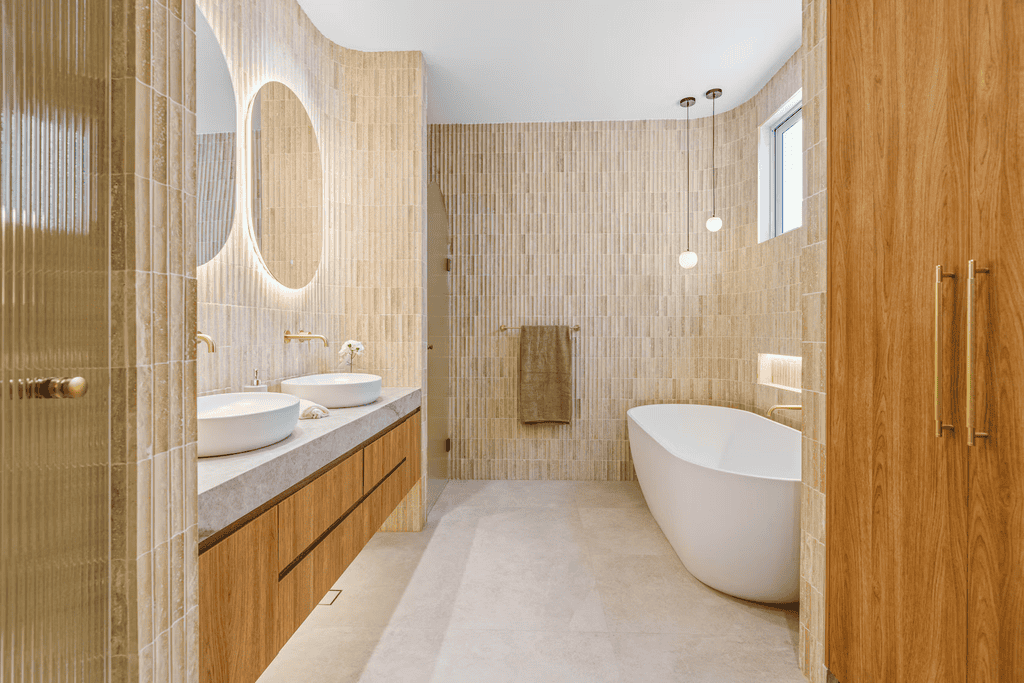
Decorative choices still matter in a practical renovation. For example, brass bathroom wall lights can coordinate with other interior hardware while keeping illumination mounted above clutter-prone surfaces. Any electrical fitting should be appropriate for its intended bathroom location and installed by a qualified professional. Once fitted, check the edges of mounting plates and seal nearby wall cracks without blocking ventilation or required access points.
Eliminate Condensation with Proper Airflow
Use an extractor fan that suits the room’s size and vents outdoors, not into a ceiling void. Run it during bathing and for about 20 minutes afterward. If steam still coats the mirror and walls, check the duct for bends, obstructions or a poorly positioned exterior outlet.
Keep the bottom of the bathroom door clear enough for replacement air to enter when the fan runs. Wipe recurring condensation from window frames and reseal deteriorated joints before moisture reaches the surrounding structure. You can test the fan’s draw by holding a square of toilet tissue near the grille. Weak suction may indicate that the cover needs cleaning or the duct requires professional attention.
Lock Down Gaps Around Vanity Cabinets
Inspect the wall and floor before securing the vanity. Seal pipe openings, repair damaged plaster and remove sawdust or packaging that could provide nesting material. Once the cabinet is installed, use a flashlight to examine the back corners and the gap beneath the toe kick.
Avoid sealing access panels or plumbing connections that may need future maintenance. Instead, close unnecessary voids with removable trim, fitted escutcheon plates or suitable sealant. Store toiletries in closed containers and clean spills promptly, especially around soap and damp cloths. Leave enough room around pipework to spot leaks during routine checks. Opening the cabinet once a month and feeling for moisture can catch a failed connection before it creates a sheltered pest habitat.
The best time to stop bathroom pests is while every pipe opening, cabinet edge and wall joint remains visible. Photograph concealed plumbing and sealed gaps before the final panels go on, giving you a useful reference if a leak or pest problem appears later.