
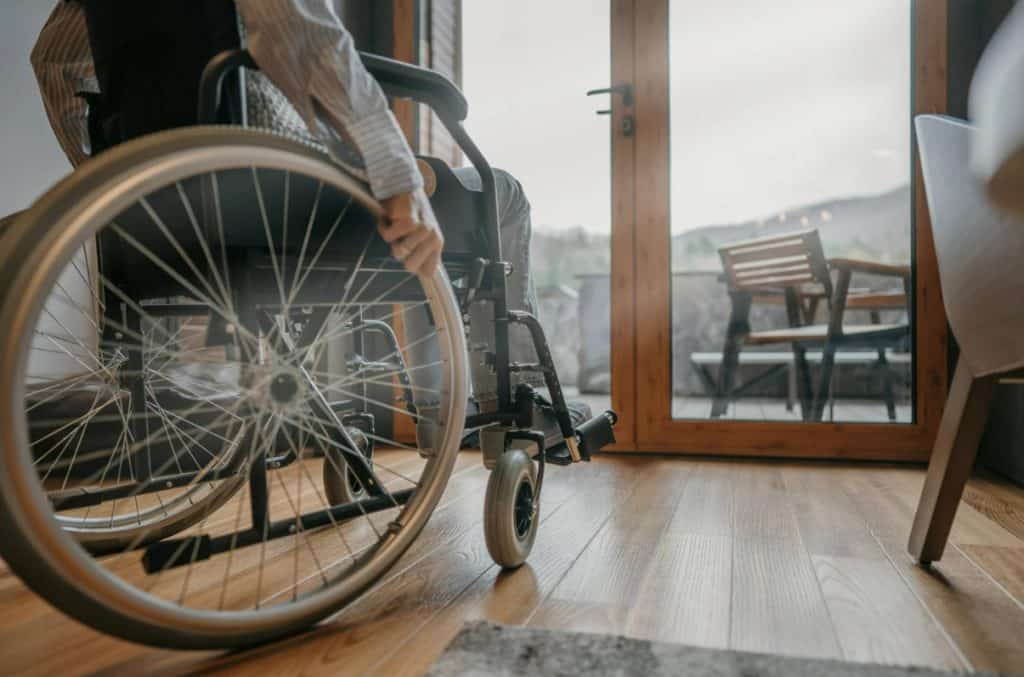
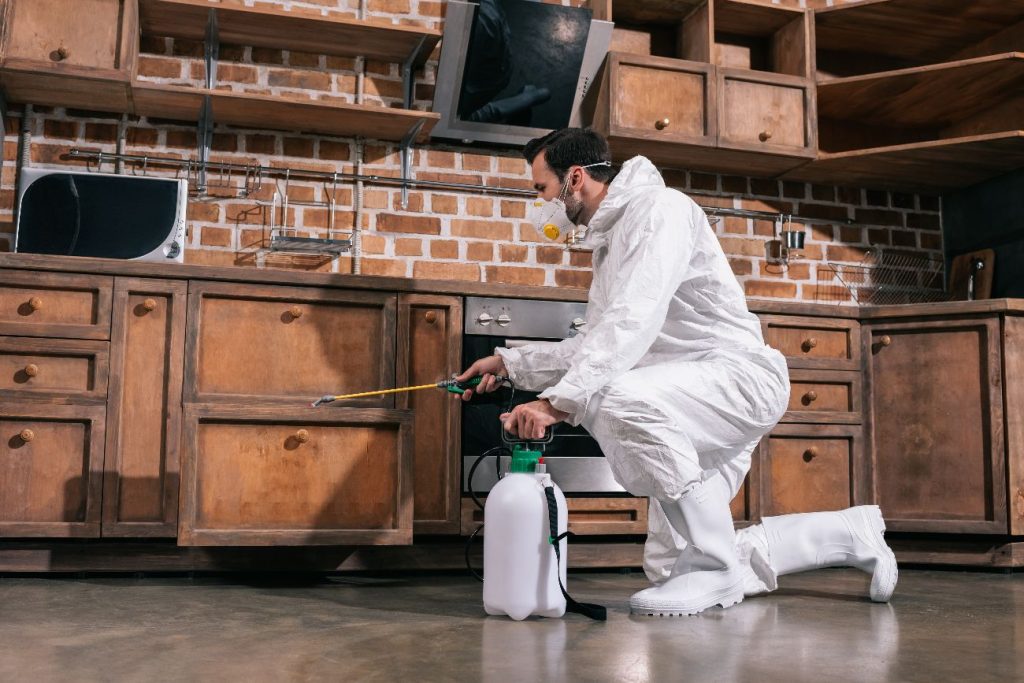
Living in a space that fits individual needs changes everything. A house represents far more than a simple shelter when it comes to specialized support. Choosing the right environment impacts daily happiness and long-term health.
Physical surroundings shape daily routines and emotional well-being. True comfort creates a steady foundation where people can build meaningful lives. This setup allows residents to face daily challenges with greater confidence.
On this post, let’s take a closer look at the important role of building safe and comfortable homes in disability care industry.
Designing for Individual Comfort
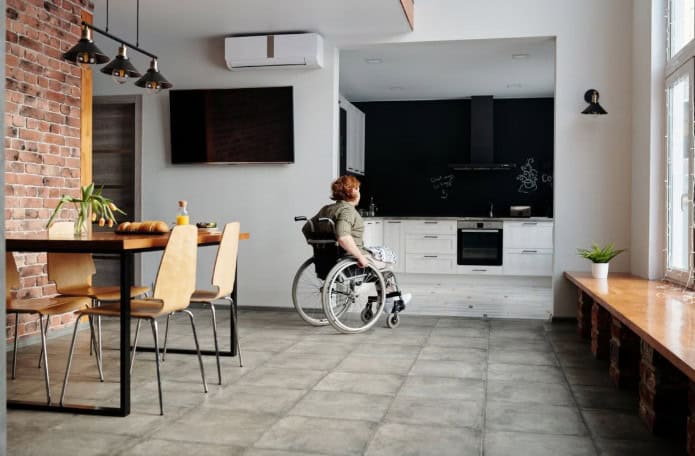
Safety means different things to different individuals. A thoughtful floor plan reduces daily stress for residents and families alike. It removes unnecessary hazards and creates a predictable routine.
Finding the right living space requires careful planning. Many families connect with disability home providers to find environments tailored to specific physical needs. This step helps establish long-term stability and peace of mind.
Proper layout choices eliminate common frustrations. When rooms flow naturally, navigating the property becomes a smooth experience. Caregivers assist more efficiently when spaces remain open and accessible.
Promoting Personal Independence
Independence grows when a house matches a person’s unique abilities. Custom modifications allow individuals to manage daily tasks on their own terms. Having control over one’s space builds self-reliance.
A publication by a social care organization notes that the core principle of modern housing is to provide individualized support. This strategy allows each person to reach their highest level of autonomy. Tailored solutions assist people in maintaining dignity throughout their lives.
Small changes like lower countertops or wider doorways make a massive difference. These adjustments remove barriers that limit personal freedom. Every modification serves to make daily routines simpler.
Supporting Daily Well-Being
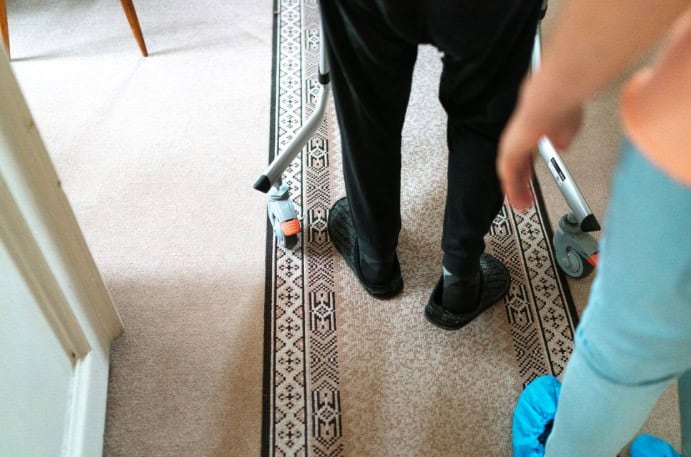
Mental health is tied closely to the space we inhabit. Quiet zones and bright, open rooms help lower anxiety levels significantly. A peaceful home offers a sanctuary from outside stresses.
Official guidelines on service delivery highlight that managers must supply a safe, comfortable, clean, and well-maintained residence. Meeting these standard rules helps maintain positive health outcomes. Consistency in maintenance protects the long-term value of the care environment.
Clean air and good lighting lift spirits. A well-maintained property keeps residents feeling secure and valued every single day. These small details contribute to a happier atmosphere.
Evolving Standards in Care
Care methods change as society learns more about human needs. Modern designs look less like clinical institutions – they look more like traditional family houses. This evolution reflects a deeper respect for individual lifestyles.
An article from a senior health group explains that modern home services in 2026 are redefining how individuals live comfortably in their spaces. New tools keep people safe without sacrificing dignity. The focus balances physical safety with emotional satisfaction.
This shift toward comfort changes the entire industry for the better. Families now expect high-quality housing options that feel truly personal. Higher expectations push providers to deliver excellent options.
Safe and comfortable homes in disability care niche provide a starting point for a better life. When physical needs are met, people can focus on personal goals and hobbies. True progress happens when the living environment is stable.
True care begins with the environment we build. Investing in quality living spaces yields excellent results for everyone involved. A supportive home remains a foundation for long-term happiness.