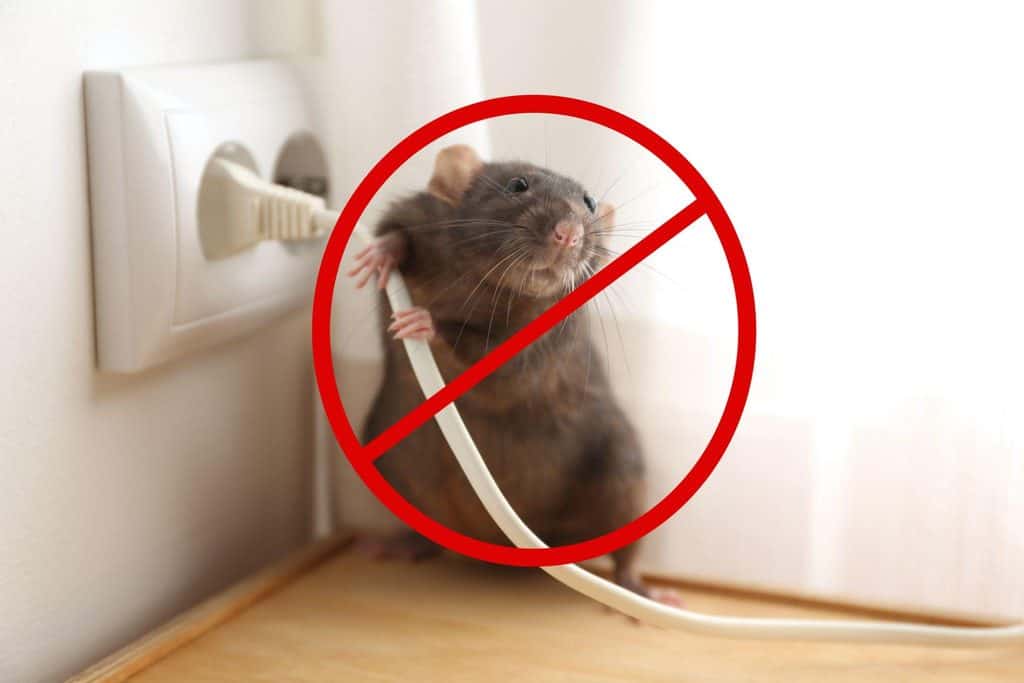
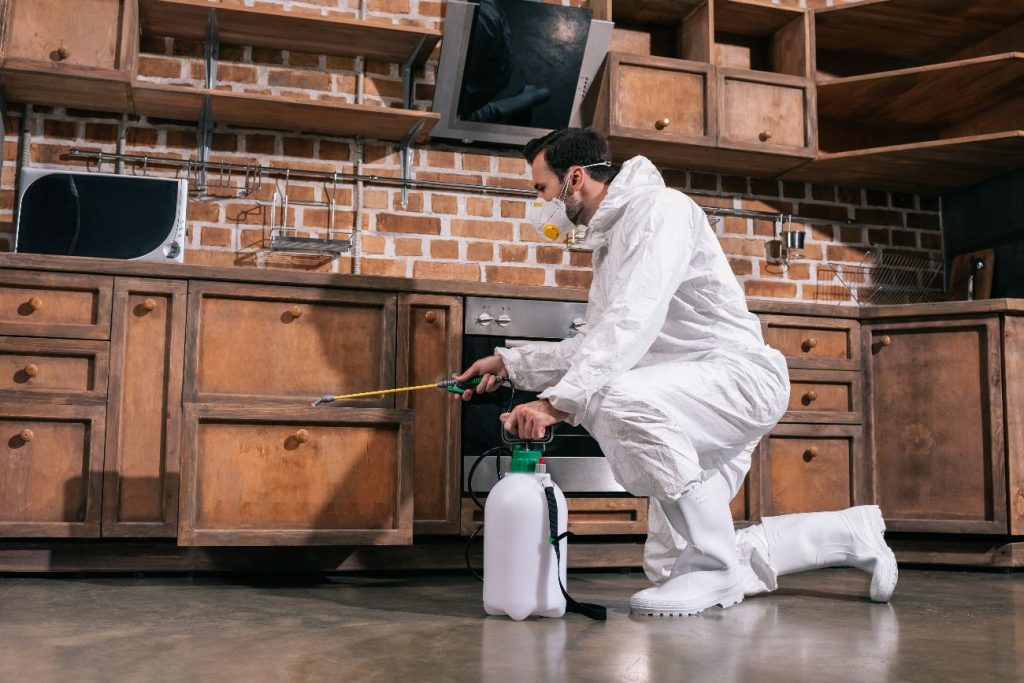
There is a roach on the kitchen counter. Someone grabs a can of spray, blasts it, wipes the counter and moves on. Problem addressed. And then next Thursday three more appear in the exact same area. The spray killed what could be seen. It did nothing about the colony beyond the wall.
Researchers solved most of these difficulties many years ago. Tested solutions, repeatable findings, published in publications gathering dust in university libraries. The valuable insights seldom reach the individuals who really need them. In this essay, we have extracted the practical bits from the scholarly publications, and left out the forty pages of methodology nobody wanted for.
What Are the Types of Pest Management?
Almost all are divided into four classes. Each targets a separate aspect of the pest’s life cycle or activity.
| Methodology | What occurs | Best for | Biggest plus |
| Biological | Natural predators or parasites consume or outcompete the pest | Pests of farm, garden aphids, grain moths | No compounds that sustain themselves throughout time |
| Culture | Sanitation upgrades, leak repairs, crop rotation, adequate food storage | Home prevention, Warehouses, Agriculture | It costs next to nothing. |
| Physical/Mechanical | Traps, Barriers, Screens, Heat treatment, Sealed entry points | Mice, bed bugs, pantry moths. | Immediate visible results |
| Chemist | Baits, sprays, fumigants, growth regulators | Bad infestations needing quick knock down | Speed — bugs dead in hours |
None of those columns ever stay alone. Stack two or three together and the results are impressive. That’s virtually the thesis of every pest control research article published in the last decade.
How Do These Methods Complement Each Other?
The pros call it Integrated Pest Management, or IPM for short. It’s not hard to understand. Seal entry points where bugs enter. Starve them, and give them no water. If possible, introduce natural predators. Keep the chemicals in reserve for those precise, focused attacks when the other layers need a boost.
Every semester biology students encounter a wall on the academic side of IPM. Thirty journal articles take a week of solid desk time to condense down into one literature review. That week typically happens to be the week with 2 labs, a stats exam, and a field report due on Friday. Students need to triage when everything hits at once. A field practicum or lab experiment can’t be outsourced, but a fifty-page synthesis of literature on pest management practices? That’s a different story. Passing it off to writers at PapersOwl keeps the research flowing while you can do work that needs your presence. The paper returns structured. Sources are in order. Those hours went where they mattered most. Both parties receive the same diploma. It’s not always the pupils who work the hardest who breeze through. They’re the ones that find out early what tasks need them in the room and what only need their attention spread wisely.
Biological Pest Control in Real Life
Nature doing what nature does best. Ladybugs eat aphids — hundreds of them a day, in fact. Parasitic wasps lay eggs within caterpillar larvae, and such larvae never grow up. Tiny nematodes invade and kill soil grubs from the inside. No spray. No remnants. No protective clothing.
This is much bigger than farming. Warehouse managers have released parasitoid wasps and followed simple cleanliness practices — sweeping grain dust, closing floor crevices — and seen moth populations plummet substantially over a couple of seasons. Suppression was done by biological agents. Sanitation eliminated other food sources. The combination was far more effective than chemical treatment alone.
The one honest thing about biological pest management is that it takes patience. Nobody will find a bunch of dead bugs on the floor the next morning. It comes down slowly, sometimes so slowly you don’t even notice for the first few weeks. Let it run a full season and the results will be self-evident.
How Does Cultural Control Show Up at Home?
The dull one is cultural pest control. And the cheapest, and possibly the most effective for daily insect control. The idea is to make a location so unattractive that bugs will go to an easier mark.
- Seal all leaks — Cockroaches will live a month without food. They can go for roughly seven days without water. A single leaky faucet under the bathroom sink is virtually a roach sanctuary.
- Store food in sturdy containers – mice can gnaw through a box of cereal in minutes. Pantry moths can get through thin plastic bags overnight. Snap-lid bins and glass jars stop cold.
- Take the garbage out early – A half-full bin smells less. Less stench. Less scouts coming to check out.
- Kill the clutter – Piled cardboard, old magazines, laundry piles. Every pile is a hiding place. Less tenants, fewer places to hide.
The total cost of everything on the list was $0. Just a routine and a little follow through.
What Physical Methods Pay Off the Quickest?
Mechanical insect control and barriers work nearly instantly. Door sweeps, mesh screens on vents, steel wool stuffed into pipe gaps, caulk around window frames. All of it to keep entry from ever starting.
Heat Treatment Against Bed Bugs
Professional thermal treatment involves heating a space to approximately 120–135 °F and holding it at that temperature for several hours. Prolonged heat above 120°F kills bed bugs at all stages of life – adults, nymphs, eggs. No chemicals, no residue left behind, and the room is used again at the same nite.
Rodent Monitoring and Traps
For small scale problems, old fashioned snap traps along the borders of walls still catch mice faster than anything else. Glue boards are used for a completely other reason, they are pest monitoring tools that show how many animals are active and what the main travel pathways are. Professionals use the data to map entry spots, then shut those openings permanently. The trap catches the mice present. The sealant stops the next ones.
What Do Recent Academic Research Say?
A thorough assessment in the Annual assessment of Entomology concluded that IPM programs cut pesticide use by 50 to 70 percent in residential settings without decreasing the level of pest control. Field trials cited in the Journal of Economic Entomology indicate that homes treated with a combination of physical exclusion and targeted baiting experienced 80% fewer callbacks over twelve months than homes treated with broadcast sprays alone.
Academic consensus is obvious. More chemicals are not better results. Better sanitation and natural allies do most of the work, while smarter placement handles the rest. Chemical application fills the remaining gaps – precisely and only where needed.
Bottom Line
The common denominator in all successful pest management strategies is attacking the problem from numerous perspectives at once. Close the entry points. Remove the attractants first. Bring in biological allies at the right time. Reserve chemical therapies for surgical, focused usage. Every important publication published in pest management research in the previous decade supports this multi-layered approach. The science is settled. The tricky part was always getting such discoveries out of the journals and into real kitchens, basements and gardens. Now they have arrived.