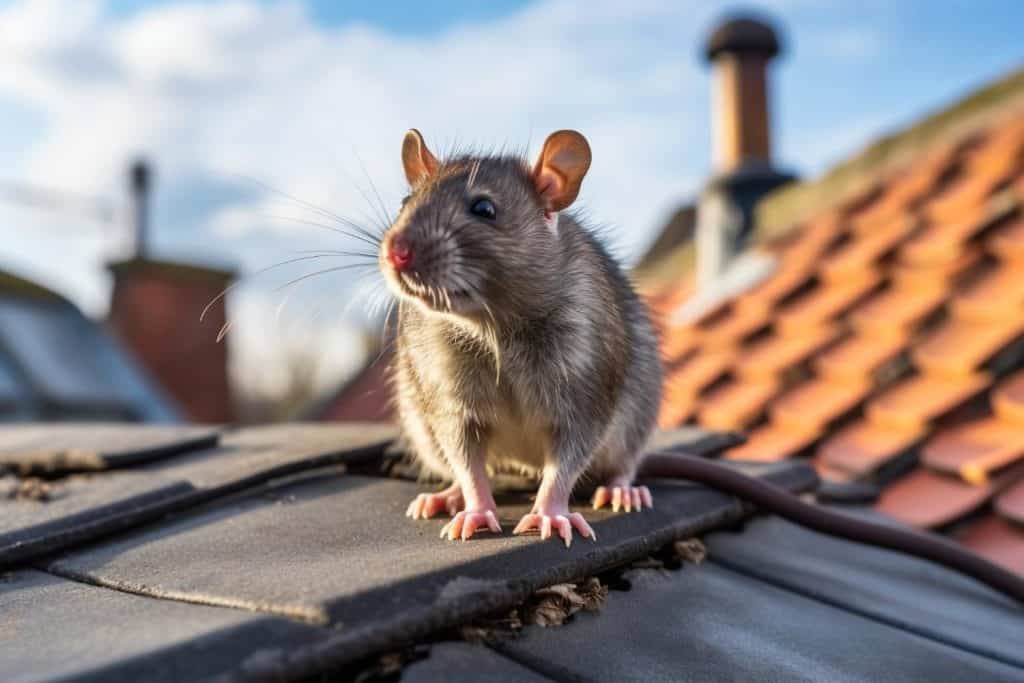
A fire-damaged home becomes a pest magnet within days, and the fix is almost entirely physical: seal every opening the fire created, remove the water and food debris left behind, and keep the structure dry and monitored until repairs begin. Rodents, roaches, and raccoons are not drawn to the smell of smoke. They are drawn to the holes in your roof, the broken windows, the soaked insulation, and the fact that nobody is walking through the house anymore.
The window for prevention is tight. Most infestations that take hold in a burned property start in the first two to three weeks, before the insurance adjuster has finished the scope and long before a restoration crew shows up. That gap between the fire and the start of real work is where the damage compounds, because a mouse colony behind charred drywall or a raccoon nesting in a burned attic turns a repair estimate into a much larger one.
Why Fire Damage Attracts Pests So Quickly
Firefighting itself creates the conditions pests want. A single-family house fire can absorb thousands of gallons of water in under an hour, and most of it ends up in insulation, subfloor, and drywall cavities. That moisture takes weeks to leave a structure with no working HVAC, which is exactly the environment cockroaches, silverfish, and carpenter ants look for. Termites are a slower risk but a real one, since wet, softened framing lumber and any wood debris left in contact with soil around the foundation is far more attractive to subterranean colonies than dry, intact material.
Then there is the food supply. A partially burned kitchen usually still contains a refrigerator and pantry, and once power is cut, spoiling food becomes the strongest attractant on the property. Rodents can survive on very little, and a burned home offers scattered organic material, soft nesting material in shredded insulation, and near total absence of human traffic.
Ventilation holes matter more than most owners realize. Firefighters cut roof openings on purpose to release heat and smoke, and those cuts are often three feet by three feet or larger. Windows get broken for access. Doors get forced. What is left is a building with a dozen new entrances at every height, which is why squirrels and raccoons show up in fire-damaged homes at rates you would never see in an occupied house on the same street.
Sealing the Structure Before Anything Else
Board-up and tarping is the single highest-value step, and it should happen within 24 to 48 hours. Most fire restoration companies offer emergency board-up as a separate line item, typically running a few hundred to a couple thousand dollars depending on the number of openings and the roof area, and homeowners insurance usually covers it under the duty to mitigate further damage. Skipping it because the house “is already ruined” is the most expensive mistake owners make, since insurers can reduce a claim for damage that occurred after the fire was out.
The sealing standard for pests is stricter than the sealing standard for weather. A mouse needs about a quarter inch of gap, a rat needs half an inch, and plywood cut roughly and screwed over a window frame leaves plenty of both. Half inch hardware cloth over vents, chimney flues, and any gap the plywood does not close cleanly is what actually keeps animals out. Steel wool packed into small penetrations works because rodents will not chew through it, whereas expanding foam alone is a snack.
Do not forget the roof. Tarps stretched over cut-outs need to be fastened down at the edges with furring strips rather than weighted with bricks, because a tarp that lifts in wind reopens the exact hole you were trying to close. Squirrels in particular will exploit a loose tarp edge within days.
Removing What Pests Actually Want
Once the shell is closed, the priority is stripping out the attractants. Empty the refrigerator and freezer completely and prop the doors open, clear the pantry, and take all food waste off the property rather than leaving it in bags near the house. Wet, burned insulation should come out early, both because it holds moisture and because it is prime nesting material.
Standing water needs to go. If the property still has power, running a dehumidifier or two along with fans will bring interior humidity down over several days. If power is off, opening what can be safely opened during dry weather and closing it before nightfall is a workable compromise. Restoration professionals aim to get materials below roughly 15 percent moisture content, and while you may not be metering it yourself, the principle holds: dry framing is unattractive to almost everything on this list.
Outside the house matters too. Debris piles, burned furniture stacked by the foundation, and overgrown grass around a vacant property give rodents cover to approach without exposure. Keeping a clear band of a few feet around the perimeter does more than it sounds like it should.
When the Property Sits Vacant for Months
Timelines are what separate a manageable situation from a serious one. Insurance disputes, contractor availability, and permit delays routinely push fire repairs six months or longer, and a house that has been empty that long has been tested by every species in the neighborhood. This is where owners have to make a real decision about how much they are willing to spend on holding, securing, and monitoring a property they are not living in.
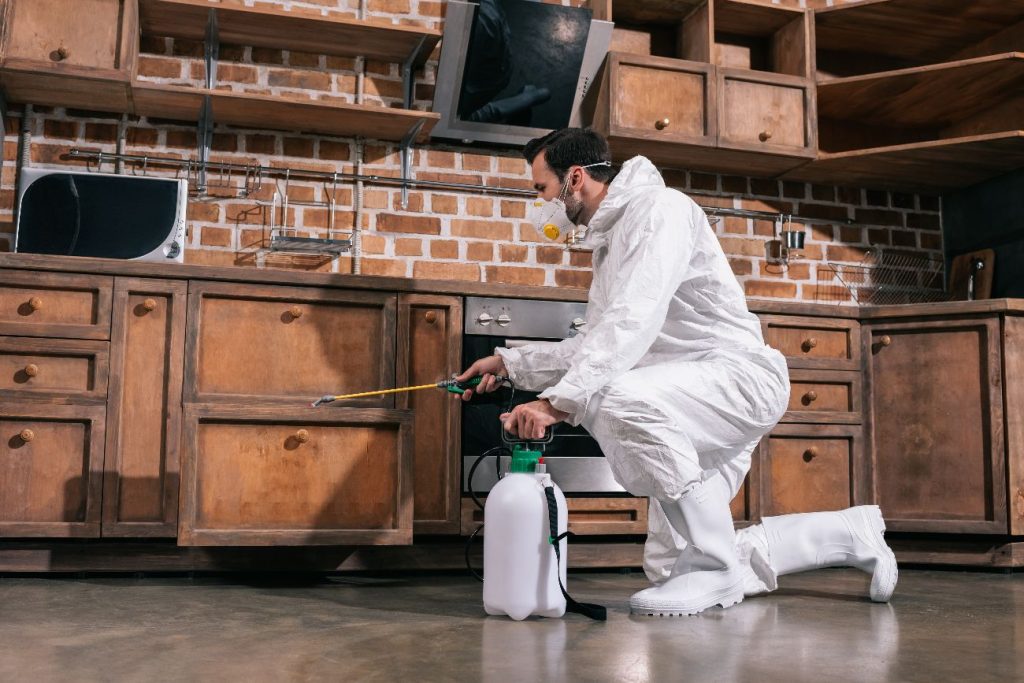
Monitoring is the part people skip. Snap traps checked weekly, bait stations placed along exterior walls, and a walkthrough with a flashlight looking for droppings, gnaw marks, and grease trails will catch an infestation early enough to matter. Sealing a house with a rodent population already inside just gives them a protected environment, so exclusion should follow trapping, not precede it.
For some owners, the arithmetic stops working. Between board-up, ongoing pest control, utilities kept on for dehumidification, property taxes, and vacancy insurance premiums that can run several times a standard policy, holding costs on a fire-damaged home add up faster than most people budget for. Selling the property as-is to a specialist buyer is a legitimate option at that point, and companies like We Buy Fire Damaged Houses purchase in that condition specifically so the owner is not paying to defend an empty building for another year. Whether that makes sense depends on your equity position and how long your repair timeline realistically runs.
Regional and Property-Type Differences Worth Knowing
The pest pressure you face depends heavily on where the house sits. In the humid Southeast, mold and termites move first and fast, and a fire-damaged home there can show fungal growth within 48 to 72 hours. In the arid Southwest, moisture is less of a driver, but rodents and scorpions exploit the new openings just as readily. Northern properties get a seasonal spike in the fall, when mice and squirrels look for overwintering sites and a burned attic is the most inviting structure on the block.
Property type changes the approach too. A detached single-family home is a self-contained problem. A duplex, townhome, or condo unit shares walls and often shared attic or crawl spaces, which means an infestation in your damaged unit becomes your neighbor’s infestation and potentially your liability. In shared-wall construction, sealing the interior penetrations between units matters as much as sealing the exterior, and it is worth telling adjacent owners what happened so they can watch for activity on their side.