Ask a homeowner what attracts pests and most will say food, clutter, or a stretch of warm weather. Those play a part. But walk through a house with a recurring infestation and you will almost always find the same thing underneath it: water that should not be there.
Insects and rodents are not drawn to a home at random. They are looking for three things, and the hardest one for them to find is reliable moisture.
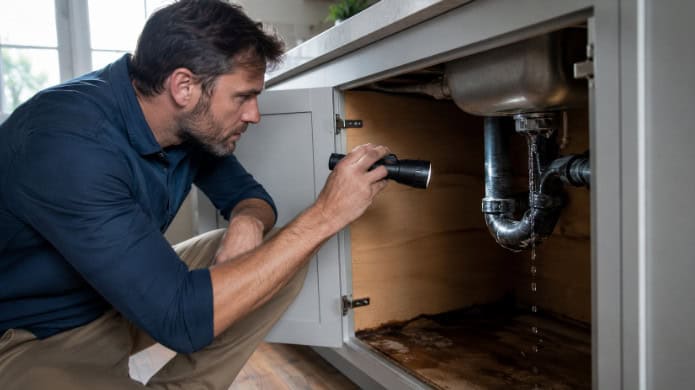
A damp basement, a slow drip under a sink, or a wall that never quite dried out after a leak gives them exactly that. Solve the moisture problem and a surprising number of pest problems lose their reason to exist.
This is also why spraying alone tends to disappoint. You can treat the moisture problem over and over, but if the conditions stay wet, something new moves in to replace whatever you knocked back.
The Pests That Are Really Hunting for Water
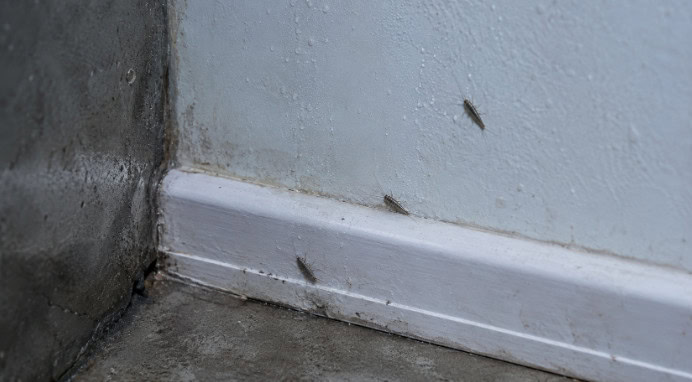
Some of the most common household invaders are moisture specialists. Silverfish need humid air and will gather in bathrooms, basements, and the backs of cabinets where dampness lingers.
Cockroaches can survive a long time without food but only days without water, so a leaky pipe is more of a draw to them than a full pantry.
Then there are the wood-destroyers. Subterranean termites and carpenter ants both prefer wood that has already been softened by water. Dry, sound framing is hard work for them.
A joist that has been sitting under a slow roof leak or against a damp foundation is an open invitation. Outside, standing water in clogged gutters and pooling near the foundation becomes a breeding site for mosquitoes within days.
The pattern holds across almost every category of pest. The bug you see is usually the second event. The first one was water.
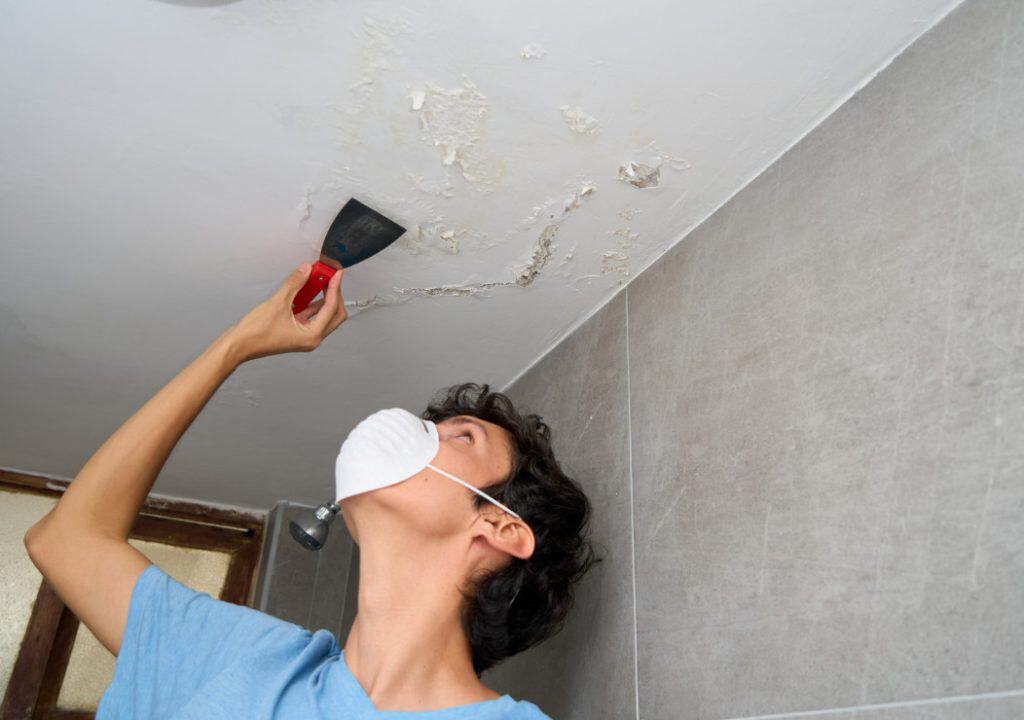
When the Moisture Is Already Inside the Walls
Surface dampness is easy to spot and usually easy to fix. Wipe down the condensation, run a fan, reseal a window, and you have removed the attraction.
The harder cases are the ones you cannot see, where water has already worked its way into drywall, insulation, or subfloor and kept those materials quietly damp for weeks.
That hidden saturation is where a moisture problem stops being a maintenance task and starts being a remediation job.
Once building materials stay wet long enough, mold takes hold, and at that point clearing the pests means drying the structure out properly and removing what cannot be salvaged.
This is the situation where homeowners often bring in a restoration specialist such as Sunrise Water Damage to find the water source, dry the affected materials, and remediate any mold before the conditions invite anything back.
Timing matters more than people expect here. The EPA notes that the key to mold control is moisture control, and that water-damaged areas should be dried within 24 to 48 hours to stop mold from getting established.
The CDC echoes the point, advising homeowners to fix the leak and clean up the moisture rather than treat the visible growth alone.
Getting that root cause handled does double duty. You remove the pest attractant and the mold trigger in one pass, instead of fighting each separately.
How Water Quietly Sets the Table
It helps to picture the chain of events the way a pest does. A small leak or a humid, poorly ventilated space softens wood and saturates porous materials.
That dampness breeds the smaller organisms and molds that many insects feed on. The softened, food-rich material then becomes easy to chew, tunnel through, and nest in. Each stage makes the next one more likely.
A few of the spots where this chain starts most often:
- Under-sink cabinets and around water heaters, where slow drips go unnoticed for months
- Basements and crawl spaces that hold humidity and rarely get inspected
- Roofs, window frames, and pipe penetrations, the leak points the CDC specifically links to indoor mold
- Gutters and downspouts that send water toward the foundation instead of away from it
None of these are dramatic. That is exactly why they work so well as a starting point for an infestation. By the time the activity is visible somewhere obvious, the damp conditions have usually been in place for a while.
Why This Fits an Integrated Pest Management Approach
Integrated Pest Management, the philosophy this site has long advocated, starts from the idea that prevention beats reaction and that you should address the conditions allowing pests in before reaching for chemicals.
Moisture control sits right at the center of that. Keeping a home dry is one of the most effective and least toxic pest deterrents available, and it happens to improve indoor air quality and protect the building at the same time.
Practically, that means a few habits worth keeping. Hold indoor humidity below 50 percent, which the CDC recommends as a level mold struggles to grow at. Vent bathrooms, kitchens, and dryers to the outside.
Walk the perimeter after heavy rain and confirm water is draining away from the structure.
And when you find a leak, treat the drying as urgently as the repair, because the 24 to 48 hour window is the difference between a quick fix and a remediation project.
Reading the Early Signs
Because moisture problems and pest problems share the same roots, the warning signs often overlap. A musty smell in a basement or closet is worth taking seriously.
It can mean mold, and mold means the kind of dampness that pests favor. Peeling paint, warped flooring, or a water stain spreading on a ceiling all point to moisture that has been present long enough to matter.
If you are already seeing silverfish, ants, or roaches clustering in one damp area rather than spread through the house, treat that as a clue about location. The pests are telling you where the water is.
Following that signal back to its source is usually more productive than chasing the insects themselves.
The Takeaway for Homeowners
Pest control and moisture control are closer to the same job than most people realize.
A home that stays dry is far less hospitable to the insects and rodents that depend on water, and the steps that keep it dry, fixing leaks quickly, ventilating well, managing humidity, and remediating water damage before it festers, protect the structure and the air inside it as a bonus.
So the next time pests keep coming back despite your best efforts at the surface, look lower and deeper. Find the water.
Handle it at the source, dry things out fast, and you take away the one thing the pests cannot do without. The infestation tends to fade on its own once its foundation is gone.
Sunrise Water Damage Restoration
975 Second Street Pike, Suite B
Richboro, PA 18954
(215) 399-6538