Most people think of pests as a simple annoyance. A fly at the dinner table, a spider in the corner, a few ants on the kitchen counter. But some of the creatures that find their way into our homes and yards carry far more than a bad reputation. They carry disease. Understanding which pests pose a genuine health risk is the first step toward protecting the people and animals you care about.
This guide walks through some of the most common disease-carrying pests worth paying attention to and explains why a little awareness goes a long way.
Why Pests Are More Than a Nuisance
A pest problem rarely stays contained. What starts as a single sighting often signals a larger issue hiding behind walls, under floors, or out in the yard. The real concern is not the inconvenience. It is what these pests leave behind and what they carry with them.
Many common household and outdoor pests are known as vectors. A vector is an organism that transmits a disease from one host to another. They pick up bacteria, viruses, or parasites in one place and deliver them somewhere new, often without anyone noticing until symptoms appear. For homeowners, that means a pest issue can quietly become a health issue. Recognizing the difference matters.
The Pests That Deserve Your Attention
Not every bug in your home is dangerous. A handful, however, are responsible for the vast majority of pest-related illness. These are the ones to learn, watch for, and act against early.
Mosquitoes: Small Insect, Serious Threat
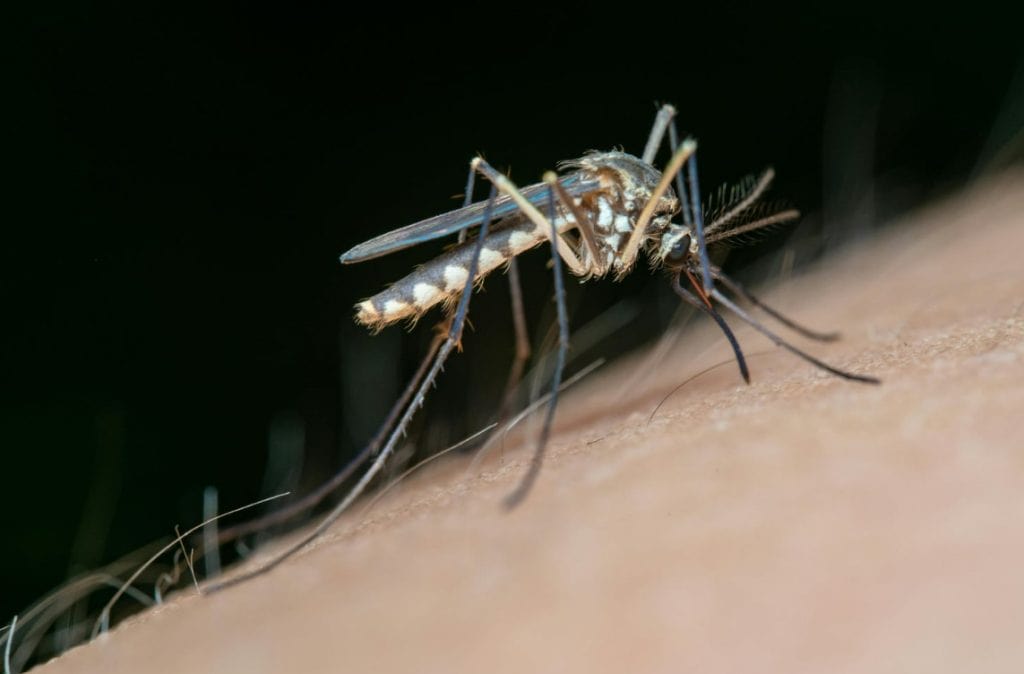
Few pests have caused more harm to human health than the mosquito. These insects feed on blood, and in doing so they can pass along a long list of illnesses. West Nile virus, Zika, dengue, and several forms of encephalitis are all linked to mosquito bites. According to the Centers for Disease Control and Prevention, mosquitoes are among the deadliest animals on the planet because of the diseases they spread.
The danger is tied to how and where they breed. Mosquitoes lay their eggs in standing water, and it does not take much. A clogged gutter, a forgotten bucket, a saucer beneath a potted plant, or a low spot in the lawn can all become a nursery within days. This is why prevention starts with your property, not your skin.
Reducing breeding sites is the foundation, but it is rarely enough on its own. Eliminating standing water, trimming dense vegetation, and treating problem areas all help, and for properties that struggle with recurring swarms, professional mosquito control offers a more thorough and lasting solution than over-the-counter sprays. The goal is simple. Break the breeding cycle before the population explodes. A yard that is comfortable to spend time in is also a yard where the health risk drops sharply.
Ticks: Tiny but Persistent
Ticks are easy to overlook. They are small, slow, and often go unnoticed until they have already attached. That is exactly what makes them dangerous. A tick can stay latched to a host for days, feeding and transmitting pathogens the entire time.
Lyme disease is the most well known illness they spread, but it is far from the only one. Ticks can also transmit anaplasmosis, ehrlichiosis, and Rocky Mountain spotted fever, among others. They thrive in tall grass, wooded edges, and leaf litter, which means homes near greenery or with overgrown landscaping face a higher risk. Keeping grass short, clearing brush, and creating a barrier between lawn and woodland all reduce the chances of an encounter.
Rodents: Hidden Carriers
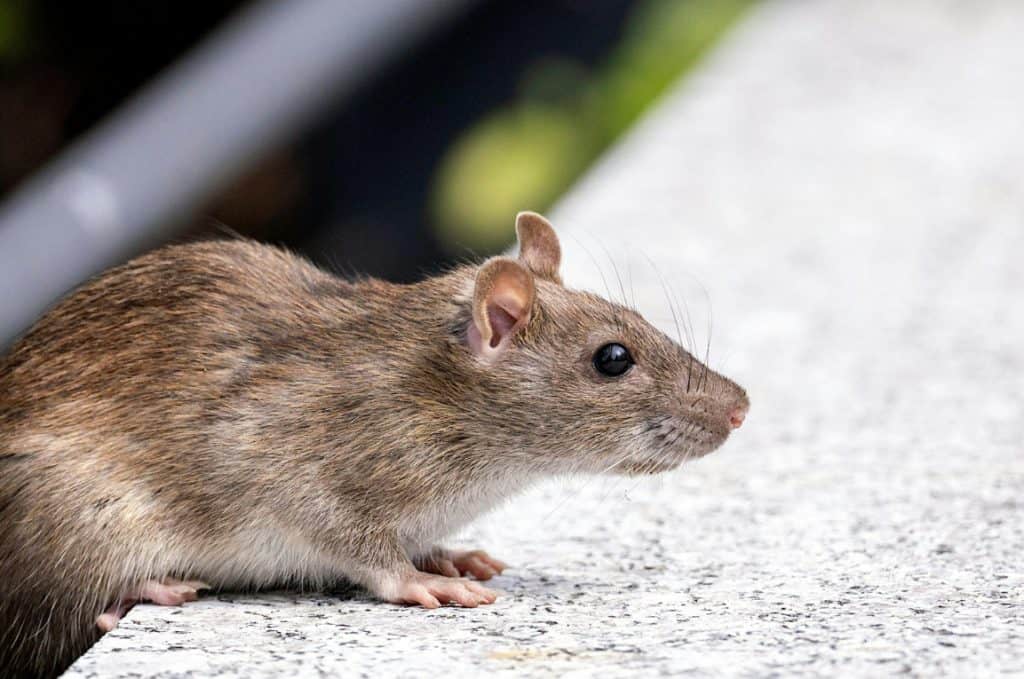
Mice and rats are some of the most adaptable pests on earth. They squeeze through gaps the width of a coin, breed quickly, and contaminate everything they touch. The health risk they pose comes from several directions at once.
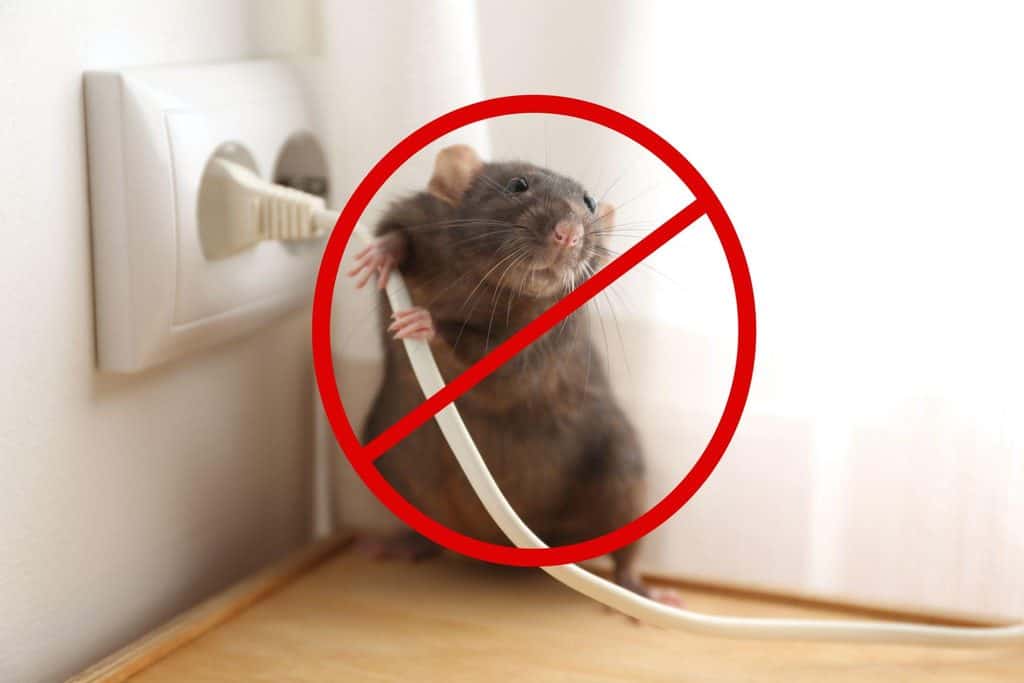
Rodents spread disease through their droppings, urine, and saliva. Hantavirus, leptospirosis, and salmonella are all associated with rodent contact or exposure to their waste. They also carry fleas and ticks indoors, which adds a second layer of risk. Beyond illness, their constant gnawing can damage wiring and create fire hazards. Sealing entry points, storing food in airtight containers, and keeping clutter to a minimum are the most effective first defenses.
Cockroaches and Flies: The Contaminators
Cockroaches and flies share a habit that makes them especially troubling. They move between filth and food without hesitation. A fly that lands on garbage one moment may land on your sandwich the next.
Cockroaches are linked to the spread of salmonella, E. coli, and other bacteria. They also trigger allergies and asthma, a concern the Environmental Protection Agency has documented in homes with heavy infestations. Flies, meanwhile, carry pathogens on their bodies and in their saliva, contaminating surfaces with every landing. Both pests are drawn to moisture, food residue, and waste, so cleanliness is the single most powerful deterrent against them.
How These Pests Spread Illness
The path from pest to person is usually short. Some pests, like mosquitoes and ticks, transmit disease directly through bites. Others, like rodents and cockroaches, do it indirectly. They contaminate food, water, and surfaces, and the illness follows from there.
This distinction matters because it shapes how you respond. Biting pests call for protection and population control outdoors. Contaminating pests call for sanitation and exclusion indoors. A complete approach addresses both. Ignoring one half of the problem leaves a door open, sometimes literally.
Practical Steps Every Homeowner Can Take
You do not need to become an entomologist to lower your risk. A few consistent habits make a real difference, and most of them cost little more than time.
Start with the outside of your home. Remove standing water, clear gutters, and keep the lawn trimmed. Move on to entry points. Seal cracks around doors, windows, pipes, and the foundation, since most pests get in through openings far smaller than they appear. Inside, focus on food and moisture. Store food in sealed containers, fix leaks promptly, and take out the trash regularly.
Routine matters more than intensity. A yard checked once a season will not catch a problem that develops in a month. Small, regular efforts beat occasional deep cleans, because pests respond to opportunity, and opportunity returns the moment your guard drops.
When to Call a Professional
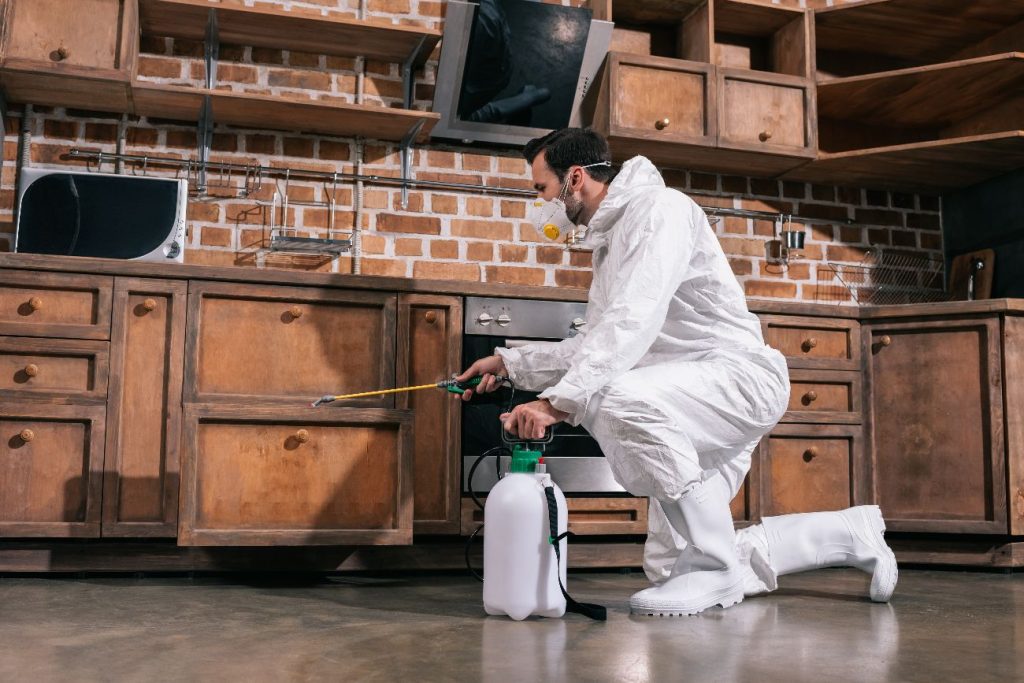
There is a point where do-it-yourself measures stop being enough. A recurring infestation, a population that returns no matter what you try, or any sign of a disease-carrying species in large numbers all warrant expert help. Professionals can identify the source, treat it at the root, and put preventive measures in place that hold up over time. Knowing when to make that call is part of responsible home care, not a sign of failure.
Final Thoughts
Pests will always be part of living in and around a home. The goal is never to eliminate every insect or rodent from the world around you. It is to recognize which ones carry real risk and to deny them the conditions they need to thrive. Awareness, paired with a few steady habits, keeps the balance tipped in your favor. Treat your property as a system, stay consistent, and the pests that pose the greatest danger become far less likely to find a foothold in your home.