Commercial facilities face many daily operational challenges, but a sudden leak or flood presents a unique set of complications. When water spreads through an office or warehouse, the visible pool on the floor is just the beginning of the trouble.
Unseen moisture quickly seeps into hidden spaces, creating long-term structural risks. If left unmanaged, this dampness compromises the building framework and disrupts normal business activities. The true crisis often begins days after the initial cleanups conclude. Let’s look into the reasons why water damage invites pests into commercial properties.
The Immediate Impact of Commercial Water Infiltration
Lingering humidity weakens building materials and opens up access points throughout a facility. Facility managers often choose a company that offers commercial structure restoration and recovery for businesses to dry out deep structural layers before permanent decay sets in. Professional remediation specialists utilize commercial-grade extraction equipment to pull moisture out of hidden concrete and wood elements. This immediate response stops the degradation of structural materials before they become permanently soft.
Structural issues worsen when high humidity remains inside enclosed rooms. Drywall sags and ceiling tiles lose their strength under constant exposure to humid air. This shift creates spaces where outside elements bypass standard perimeter defenses.
Moisture as a Biological Trigger for Infestations
Standing pools and soaked building parts alter the internal ecosystem of a corporate property. A publication by a property recovery firm explained that indoor water events change building environments to favor invading organisms. When materials stay wet, they offer the perfect humidity levels for various creatures to move indoors.
Every living organism requires a reliable source of hydration to survive and multiply. A facility with unresolved leaks provides a steady supply of water without requiring pests to venture outside. Dry cracks that previously offered no comfort suddenly turn into premium real estate for expanding colonies.
Wood-Destroying Organisms Attracted to Water Damage
When structural lumber absorbs moisture, it becomes highly vulnerable to specific boring insects. A regional pest management bulletin observed that excess water acts as an open invitation for wood-destroying insects. These wood-boring species actively search for softened building framing to establish their networks.
Termites and carpenter ants target wet wood structures since the fibers are much easier to chew through. This softened wood allows colonies to excavate massive nesting galleries inside the main support beams. Over months, this internal chewing compromises the stability of subfloors and load-bearing walls.
Common Crawlers in Humid Workspaces
Certain insect groups prefer the stagnant air conditions found in low-traffic business zones. A localized restoration assessment mentioned that these insects thrive inside dark basements, crawl spaces, and open wall cavities where liquid lingers.
These specific creatures exploit moist building zones:
- Silverfish consume damp cardboard boxes, wallpaper paste, and paper records stored in archives.
- Centipedes seek out humid cracks to hunt for smaller insects that gather near leaks.
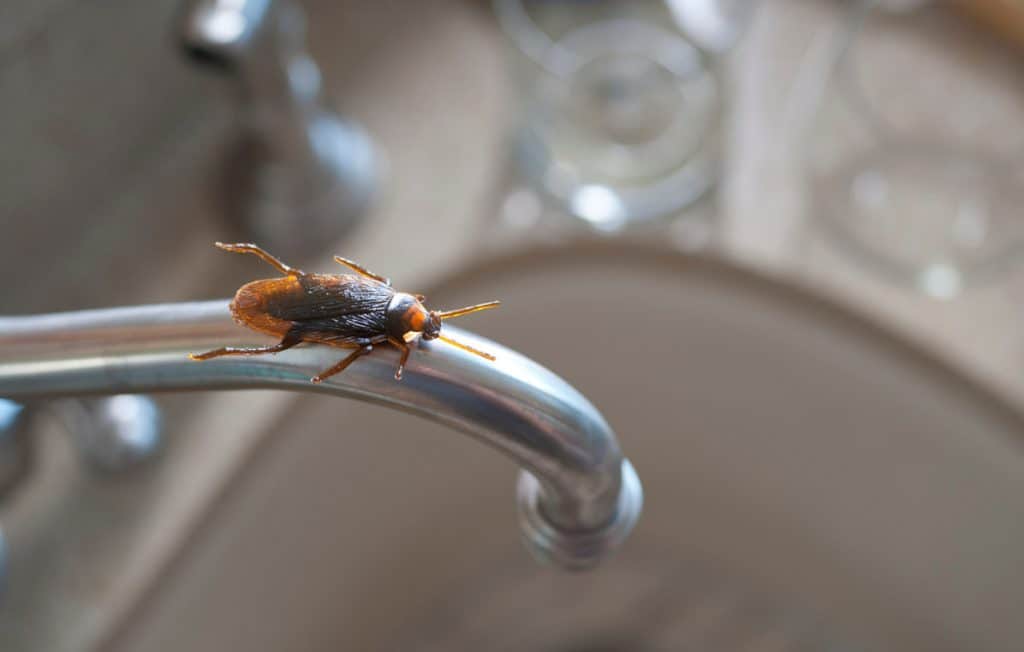
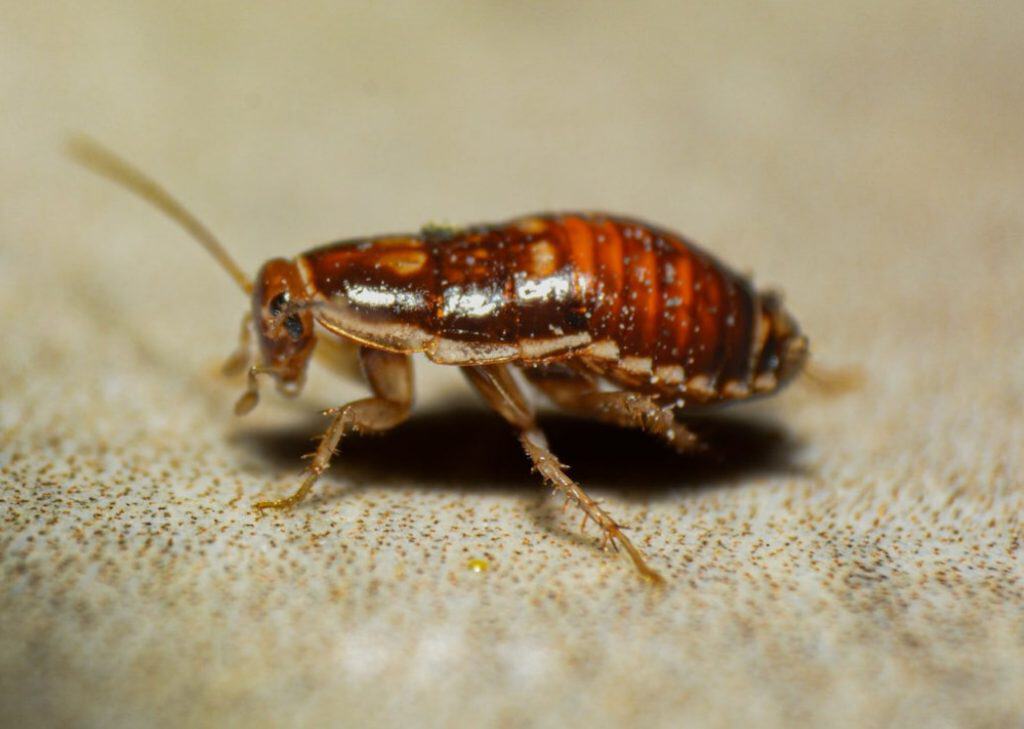
- Cockroaches multiply inside dark utility rooms with dripping pipes.
The Surge in Rodent Behavior
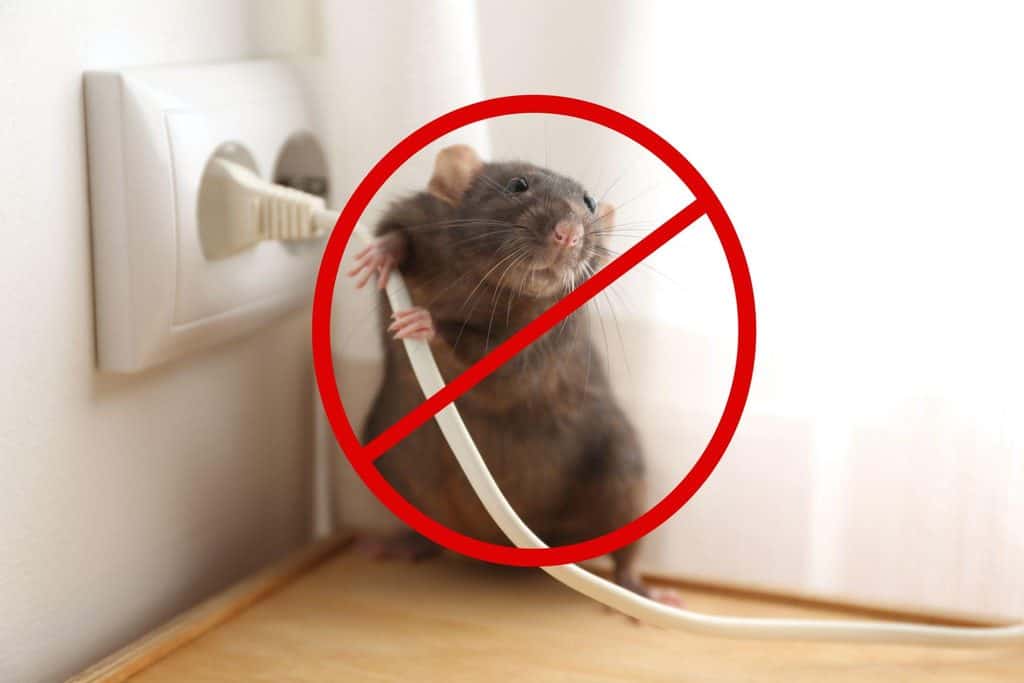
Insects are not the only pests that take advantage of property water issues. Mice and rats possess an exceptional sense of smell that helps them locate reliable water sources from significant distances.
A wildlife tracking report revealed that public inquiries regarding rodent issues jumped by 35 percent over a recent 12-month period. This statistical increase demonstrates how rapidly rodent populations grow when commercial buildings supply easy hydration. A single dripping pipe behind a breakroom wall can sustain generations of mice without them ever leaving the structure.
Weather Events and Mass Pest Migration
Large storms and sudden floods disrupt local outdoor ecosystems, forcing wild creatures out of their underground burrows. A commercial health article stated that severe flooding creates conditions that allow pests to flourish, leading to property damage and brand damage.
When soil saturates completely, burrowing pests flee upward to avoid drowning in their nests. Ants, rats, and roaches run toward dry structures, entering through ground-level doorways and loading dock gaps. This sudden influx changes an outdoor weather problem into an immediate indoor health hazard.
Proactive Remediation and Maintenance Strategies
Stopping a major infestation requires a rapid response that focuses on removing the moisture source completely. A national safety standard guide mentioned that managing building water damage is vital for stopping expensive pest invasions and preserving a healthy workspace.
Business operators can protect their facilities by using specific maintenance habits:
- Inspect commercial roofs and foundation walls every quarter for small cracks.
- Run heavy-duty dehumidifiers on lower levels where humidity builds up.
- Apply silicone caulk around exterior plumbing penetrations to close small gaps.
- Fix minor pipe drips immediately to keep nearby drywall completely dry.
Keeping a corporate facility dry is the single best defense against biological pests. When business operators focus on quick extraction, they remove the exact resources that pests require to build colonies.
Investing in professional drying services protects physical real estate assets and maintains health compliance. Clean, dry corporate structures keep daily operations moving without the disruption of major pest outbreaks.