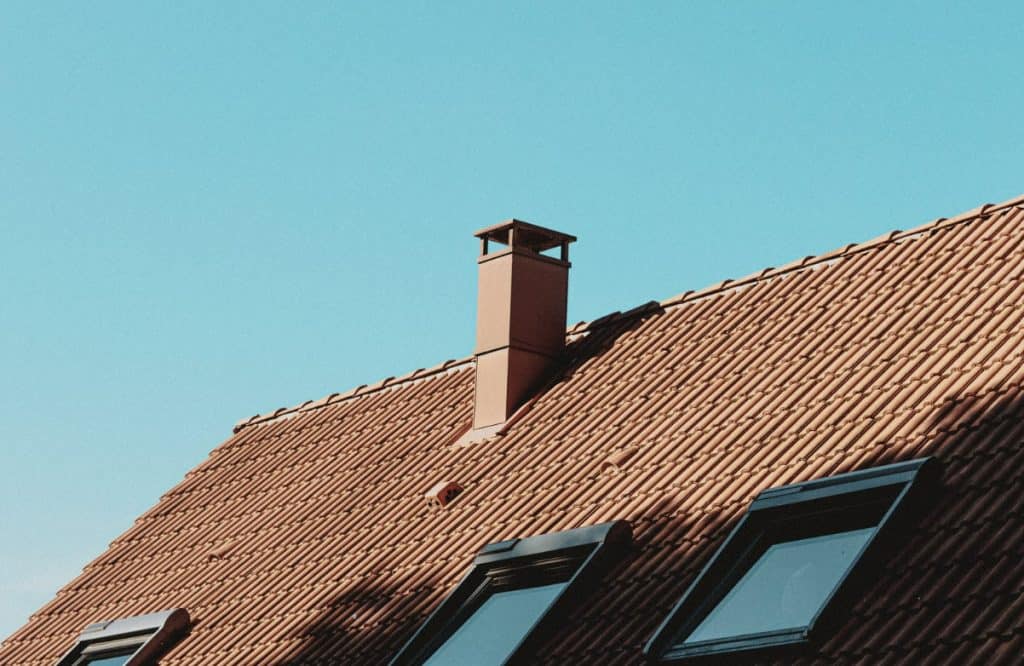
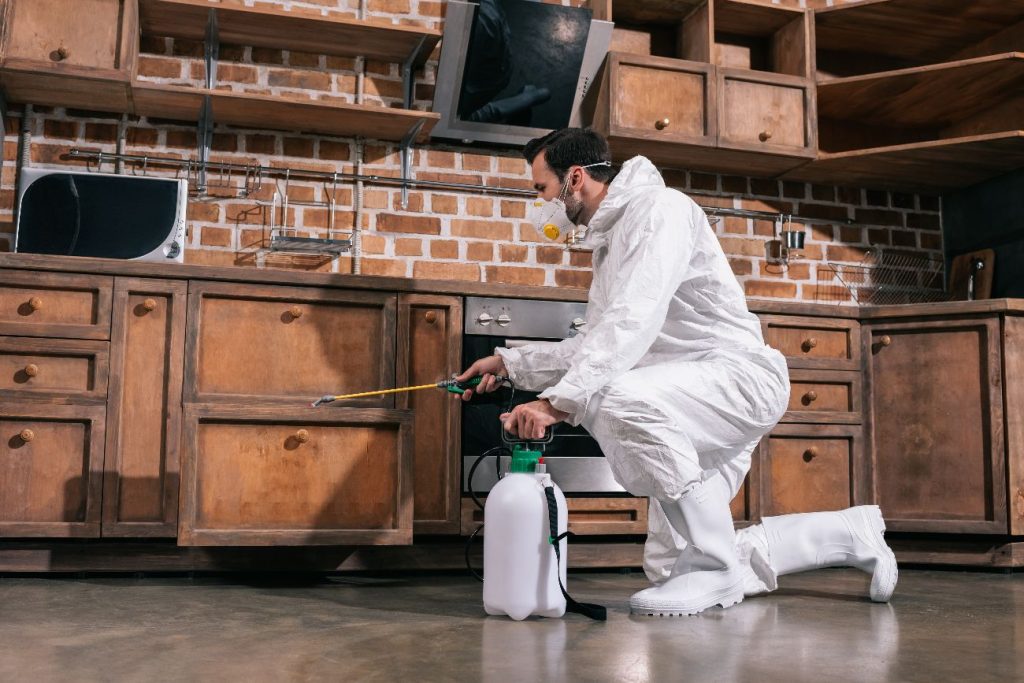
A secure overhead structure represents the primary defense against outdoor elements. Property owners typically focus on weather protection when thinking about structural upkeep.
A compromised barrier introduces a secondary hazard that remains hidden until severe damage occurs. Small defects create welcoming pathways for wildlife seeking shelter.
Animal activity often indicates deeper physical vulnerabilities within a building. When wildlife gains access to an attic, the root cause usually links back to a structural failure above.
The Hidden Entry Points On Your Roof
Small openings along the roofline provide perfect opportunities for wandering wildlife. Mice and rats require very little space to squeeze into a warm attic space. Once these creatures discover a tiny breach, they actively work to expand the hole.
Raccoons and squirrels utilize immense leverage to tear away weakened building materials. Rotting fascia boards or loose soffits present minimal resistance to a determined animal. Neglecting these minor flaws permits immediate entry into the crawlspaces of a building.
Insects exploit tiny gaps around the perimeter of the roof. Wasps, hornets, and ants look for sheltered areas to establish colonies during the warmer months. These insects chew through weakened wood, expanding existing damage.
The Value Of Professional Roofing Specialists
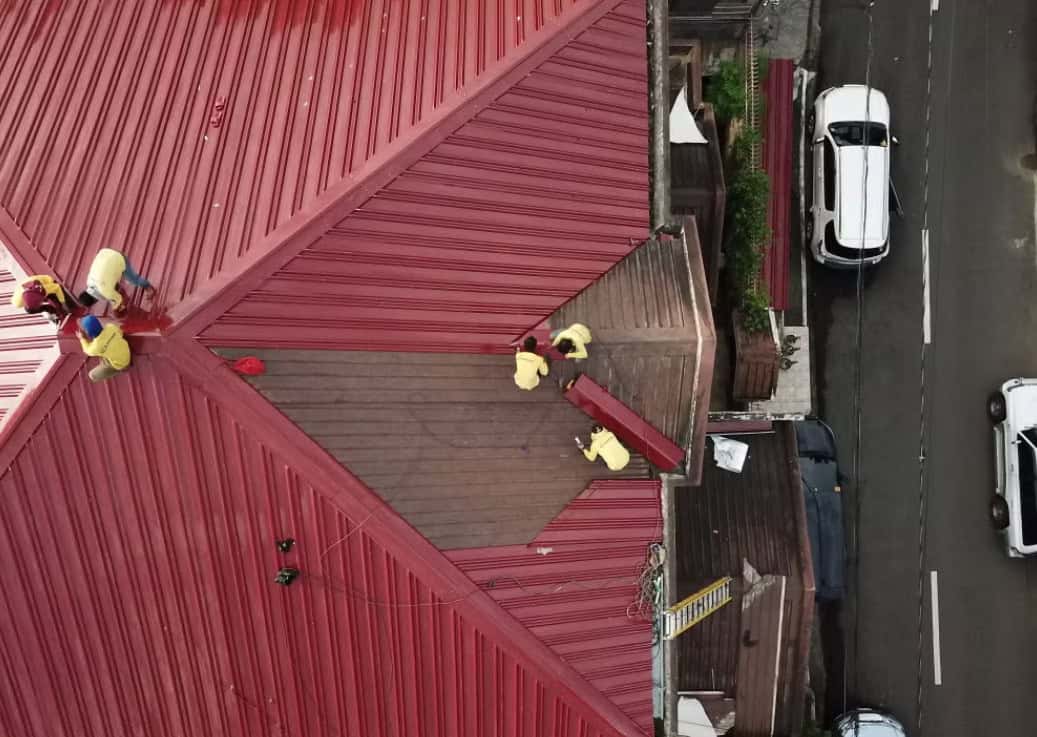
Homeowners frequently overlook small gaps or cracks along the roofline during regular maintenance. Turning to skilled local residential and commercial roofers helps identify these vulnerable spots before wild creatures exploit them. Professional inspections reveal structural flaws that untrained eyes routinely miss.
Experienced technicians possess the proper equipment to examine steep slopes safely. They check the integrity of every seam, flashing piece, and vent cover. Investing in regular professional assessments stops minor wear from turning into an expensive biological invasion.
Addressing physical weaknesses early protects the financial value of the property. Routine maintenance keeps the exterior envelope intact against both weather and wildlife.
Shingle Damage And Animal Intrusion
Missing or broken shingles leave the underlying wood deck completely exposed to water. Standing water softens the wooden subroof, making it highly susceptible to animal damage.
A recent guide published by an educational organization noted that professional roof evaluations look for cracked or curled shingles alongside signs of animal infestation.
Once shingles warp or lift, birds find ideal spots to build nests. Avian guests create a significant mess and block ventilation systems with nesting materials. Accumulated debris retains heat and water, accelerating deterioration of the surrounding materials.
Rodents quickly exploit the exposed plywood beneath damaged shingles. They gnaw through the softened wood to gain access to the comfortable insulation underneath.
How Clogged Gutters Invite Pests
Debris accumulation in the gutter system creates a perfect environment for various pests. Standing water attracts disease-carrying mosquitoes and other insects looking for breeding grounds near the roof.
A publication from a community development organization explained that clogged gutters prevent water from draining properly, which leads to roof leaks and potential foundation issues.
Water overflowing from gutters rots the adjacent fascia boards and soffits. Soft, decaying wood invites wood-boring insects like termites and carpenter ants to establish colonies. These pests systematically hollow out the support structures of the roofline.
Birds and rodents use the trapped leaves and twigs to construct nests right against the building. This constant presence increases the likelihood of animals finding or creating a hole in the attic. Clean gutters remain a frontline defense against these multi-layered threats.
Severe Weather Risks And Vulnerabilities
High winds and heavy hail cause immediate physical harm to any roofing system. Strong gusts lift shingles and pull away metal flashing from the edges. An online article by an educational resource group indicated that damaged roofs provide easy access points for rodents, insects, or birds.
Storm damage requires immediate attention to prevent wildlife from capitalizing on the new openings. Animals actively seek shelter immediately following severe weather events. Delaying repairs practically guarantees that local wildlife will find the broken sections.
Tree branches thrashing against the roof during storms can scrape off protective granules or puncture the surface. Punctures offer immediate access to the interior of the roof structure. Keeping branches trimmed away from the building reduces this specific risk.
Structural Deterioration From Unwanted Guests
Once animals establish themselves inside the attic, they cause compounding damage to the structure. Chewed wiring presents a severe fire hazard that threatens the entire property. Torn insulation reduces the energy efficiency of the building, increasing utility bills significantly.
Animal waste contaminates the living space below and ruins the ceiling drywall. The odor attracts other pests, creating a cycle of continuous infestation. Repairing the internal damage often costs far more than the initial roof repair would have.
Property owners must recognize the specific risks associated with wildlife occupation. Internal damage quickly escalates if left unaddressed:
- Destroyed fiberglass insulation that lowers energy efficiency
- Chewed electrical wiring that creates significant fire risks
- Contaminated drywall from animal waste and nesting materials
These internal issues require professional remediation alongside structural repairs. Addressing the entry point remains useless if the active infestation continues indoors.
Maintaining a sound roofing system involves far more than simply stopping water leaks. Preventing pest infestations requires a proactive approach to exterior home maintenance
Small repairs completed today prevent major wildlife issues tomorrow. Keeping the physical barrier intact maintains a safe, pest-free environment for everyone inside the building.