Homeowners often look at bugs and water problems as two separate issues. A dripping pipe or a high humidity level might seem like a simple plumbing annoyance. These water issues frequently act as an open invitation for unwanted critters.
Unchecked leaks provide the perfect environment for bugs to thrive and multiply. Understanding how water attracts bugs helps you protect your property from structural damage. Tracking down the source of extra moisture is the first step toward a clean home. Maintaining a dry environment deters pests before they form large colonies.
The Attraction of Indoor Humidity
High indoor humidity creates a welcoming environment for many types of crawling critters. Homeowners can learn more about managing these hidden household environments to stop bugs from moving inside. Damp air allows small insects to survive without drinking directly from a pool of water. Maintaining a dry indoor climate remains a top priority for long-term protection.
Pests quickly detect areas with high moisture levels and gather there to breed. Reducing indoor humidity makes your living areas far less attractive to invading bugs.
Common Plumbing Leaks and Insect Habitats
Small drips under the kitchen sink or behind the toilet create micro-habitats. An information sheet from a western state university extension explains that oriental cockroaches frequently nest near drains, leaky pipes, and under refrigerators. These insects seek out dark spaces with constant access to water.
Fixing these drips quickly keeps crawling pests from establishing a permanent colony. A health advocacy group suggests repairing leaky pipes and running dehumidifiers in damp basements to deter pests. Regular plumbing checks protect your property from hidden damage.
Ignoring a tiny leak can lead to $5,000 in structural repairs as months pass. Damp cabinetry under sinks warps and attracts wood-destroying insects.
Standing Water and Flying Pests
Standing water in trays under house plants or inside clogged drains invites flying pests. A public health department advisory recommends removing any standing water and repairing leaky pipes to keep bugs out. Tiny puddles provide enough liquid for pests to lay hundreds of eggs.
Flies breed rapidly when stagnant water mixes with organic material. A university resource notes that phorid flies reproduce in decaying matter, making damp home areas prime breeding sites. Cleaning your drains removes the organic sludge these flies need to survive.
Pouring boiling water down kitchen drains disrupts their reproductive cycles. Regular drain maintenance stops annoying fly swarms before they spread to your kitchen counters.
Structural Damage from Damp Wood
Water leaks that penetrate wooden beams create soft spots in your home’s framework. This softened wood becomes an ideal target for large ants seeking to build nests. A national pest management association states that carpenter ants measure between 1/4 and 3/4 of an inch long. These large pests are typically black or red.
They do not eat the wood, but they hollow out tunnels for their colonies. Left unchecked, a damp wooden structure can collapse under its own weight. Repairing roof leaks and pipe drips eliminates the soft wood these tunneling insects prefer. Checking your attic after heavy rainstorms reveals hidden entry points before severe rotting begins.
External Factors and Gutter Maintenance
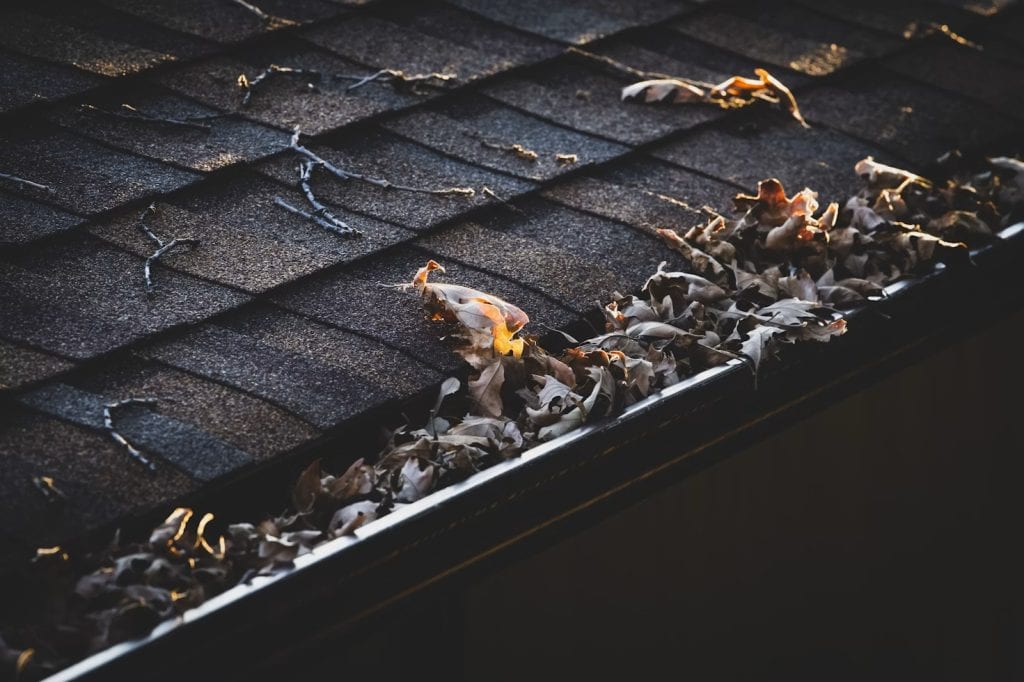
Outdoor water issues often lead directly to indoor pest invasions. Roof runoff needs to flow away from your foundation to prevent pooling. A property management article reports that clogged gutters become breeding grounds for mosquitoes, rodents, and birds. Regular cleaning keeps water moving safely away from the house.
- Clogged gutters trap decomposing leaves that attract hungry bugs.
- Overflowing water pools near the foundation and enters through basement cracks.
- Damp soil against the outer walls allows burrowing pests to dig deeper tunnels.
- Soggy flowerbeds next to the house give insects a safe path to windowsills.
Maintaining your roof drainage system shields your home from these pests. Diverting downspouts at least 3 feet away from your walls offers excellent protection.
Health Implications of Moisture and Pests
The combination of high moisture and insect activity impacts indoor air quality. Excess dampness leads to mold growth, which creates additional health hazards for residents. A medical school report shows that 11% of children exposed to home mold had asthma, compared to 7% of unexposed children. Managing indoor humidity protects your family from these respiratory challenges.
Controlling the humidity level requires constant monitoring. A university pest management program notes that the Environmental Protection Agency suggests keeping indoor moisture below 60%. Keeping the level between 30% and 50% remains ideal for stopping both mold and bugs. Using air conditioners during hot months helps maintain these safe percentages.
Addressing household water issues serves as a powerful defense against pest infestations. Fixing minor leaks, clearing gutters, and managing indoor air dryness keeps bugs from taking over your living spaces. Staying vigilant with home repairs prevents small plumbing drips from turning into expensive pest control emergencies.
A dry home is a healthy home that keeps unwanted critters exactly where they belong – outside. Invest time in regular maintenance to enjoy a comfortable, bug-free living environment for years to come. Your proactive efforts pay off by protecting both your health and your property value.