
Growing a beautiful garden requires proper planning and the right equipment. Stepping into a garden center can feel overwhelming with hundreds of products lining the shelves. Smart shoppers know that preparation saves time and money. Buying random items often leads to wasted resources and poor plant health.
You need a clear strategy to select items that protect your plants and fit your budget. Focusing on high-quality tools and strategic pest management solutions creates a thriving outdoor space. Purchasing durable gear protects your backyard investment from seasonal hazards.
Planning Your Spring Garden Setup
Before spending any cash, map out your planting zones. Different crops need specific sunlight levels and drainage conditions to resist disease. Healthy soil prevents many insect infestations before they start.
Choosing resistant seed varieties lowers your reliance on chemical sprays later. You should list every item required for the season to avoid impulse purchases. This initial blueprint keeps your expenses under control throughout the year.
Measuring your garden beds prevents overspending on unnecessary supplies. Sketching a simple map guarantees you only purchase what fits your designated space.
Finding the Best Values for Your Budget
Smart buyers track seasonal sales to stretch their dollars. Looking for online deals & offers helps you secure top-tier gear for lower prices. Saving money on basic supplies leaves more room in your budget for specialized pest barriers.
Purchasing items in bulk during the off-season cuts down your long-term costs. Many suppliers offer deep discounts on soil amendments and pots during late autumn. Storing these goods until spring protects your wallet from seasonal price hikes.
Compare prices across different merchants before making a final decision. Tracking historical prices helps you recognize genuine discounts when they appear.
Maximizing Savings With Vouchers
Digital shopping tools provide excellent opportunities for modern gardeners. An online report noted that gardening vouchers and promo codes are becoming more popular as people look to save money on plants, seeds, and tools. Finding these discounts minimizes your upfront investment.
Lowering your initial layout means you can buy higher-quality items. Cheap alternatives often fail after a few weeks of heavy use. Investing your savings into durable products yields better long-term results.
Signing up for store newsletters often unlocks immediate savings on your first purchase. Combining store coupons with seasonal clearance events maximizes your total savings.
Selecting Smart Pest Protection Equipment
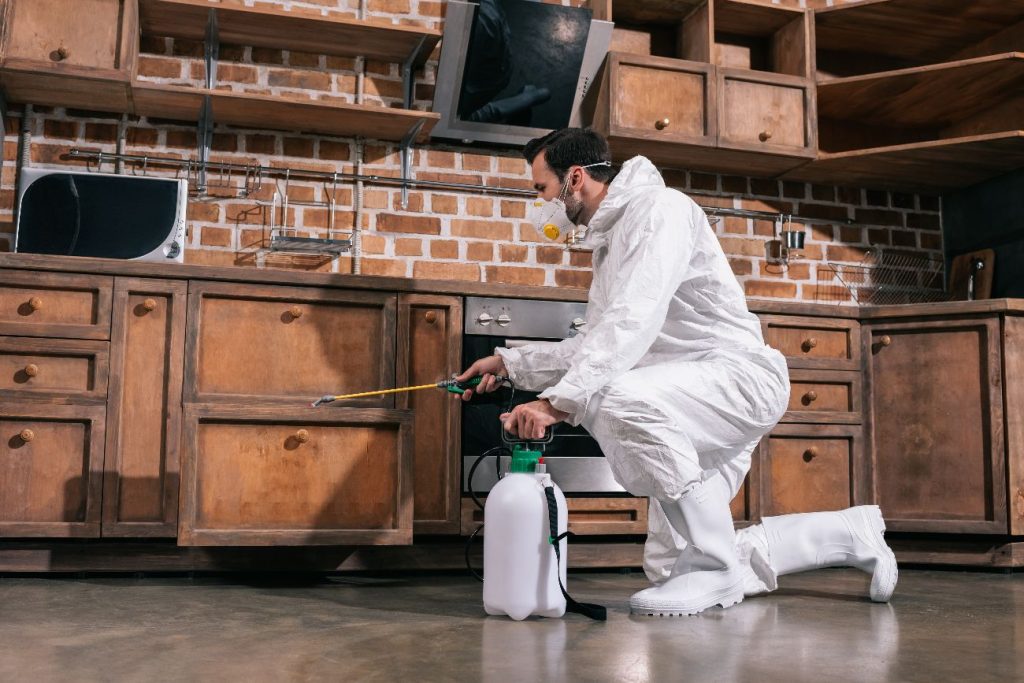
Defending your backyard from unwanted insects and rodents requires specific gear. Investing in physical barriers prevents damage without introducing harsh chemicals to your soil. Bug problems can ruin months of hard work in a single afternoon.
Consider these items when shopping for protective gear:
- Fine mesh netting to exclude flying insects from leafy greens.
- Copper tape barriers that deter slugs from climbing raised beds.
- Floating row covers that shield young seedlings from beetles.
- Sturdy wire cages to block burrowing rodents from damaging roots.
Using these specialized products keeps your crops safe throughout the year. High-quality netting lasts for multiple seasons, making it a highly cost-effective choice. Spending $15 on a solid barrier saves $100 in ruined vegetables.
Choosing Sustainable Planting Supplies
Eco-friendly gardening practices protect the local environment and save resources. A popular backyard blog explained that eco-friendly options like biodegradable pots, compostable seed trays, and recycled watering cans help reduce landfill waste and support a healthier garden ecosystem. These products break down naturally or reuse existing plastics.
Using sustainable containers prevents root shock during transplanting. Seedlings grown in compostable pots go straight into the ground, which protects delicate roots from subterranean bugs. This seamless transition strengthens your plants against seasonal stress.
Choosing long-lasting metal cans or recycled hoses prevents frequent replacements. Sustainable gardening products protect your plants from toxic chemical leaching found in cheap plastics.
Investing in Comfortable Tools for Long-Term Care
Gardening requires significant physical effort, so choosing ergonomic designs is smart. A well-known horticultural site suggested that a garden kneeler may be the secret to future-proofing your joints – and keep you gardening for years to come. This single piece of equipment prevents knee strain and dampness from the ground.
Ergonomic trowels and weeders reduce hand fatigue during long afternoons in the dirt. Proper handles allow you to apply more leverage when digging out deep roots. Removing weeds completely minimizes hiding spots for unwanted garden insects.
Lightweight tools with rubber grips prevent slips and blisters during heavy yard work. High-quality carbon steel blades maintain their sharpness longer than cheap alternatives.
Selecting the right supplies transforms your outdoor experience from a chore into a rewarding hobby. Balancing your budget with high-quality purchases shields your plants from environmental threats and destructive insects. Taking time to research options helps you find durable tools that last for years.
A healthy garden begins with smart choices at the register. By focusing on durability and protective gear, you create a sustainable haven that flourishes season after season. Smart buyers build beautiful landscapes without overspending.