A solid roof protects everything inside your home from the elements. Most homeowners look out for missing shingles or broken gutters after a major storm hits. Hidden dangers often lurk beneath the surface where you cannot see them.
Tiny insects can quietly destroy the main structural support beams of your property. Termites present a severe hazard to the safety of your overhead framework. Spotting these silent invaders early protects your peace of mind and your wallet.
Wood Boring Pests and Roof Integrity
Many people assume bugs only attack the crawlspace or the lowest levels of a house. However, maintaining proper moisture control through crawlspace dehumidification can help create conditions that are less inviting to pests. Certain species fly straight to higher areas or climb through walls to reach soft wooden structures near the ceiling. They chew through rafters and deck boards without stopping for breaks.
A compromised support system creates an immediate hazard for everyone living underneath it. Wood damage spreads quickly when hungry colonies find an unchecked food source in the attic space.
An extension blog post notes that damaged wood serves as a clear indication of an active insect infestation. Homeowners must watch for brittle or hollow timbers during routine maintenance checks.
Finding Local Roofers
Severe structural issues require quick intervention from trained professionals. You should connect with local roof replacement specialists to evaluate the true extent of the structural deterioration. These experts can tell if a spot repair will suffice or if a complete overhaul is necessary.
Choosing qualified teams nearby means you get rapid assistance when a crisis happens. They understand the exact regional weather challenges and construction building codes. Reliable crews can dismantle weakened beams safely before an actual cave-in occurs.
The Link Between Water and Damage
Water entry creates the perfect environment for wood-destroying insects to thrive. Leaky shingles and poorly sealed flashing introduce constant wetness into structural timbers. A university publication explains that drying out these spaces might require repairing active leaks before the wood decomposes too far. Keeping the upper framework dry discourages bugs from settling down.
Proper installation practices keep the entire building envelope secure from outside threats. State extension guidelines point out that correctly fitting the outer shingles and metal flashing stops unwanted water entry.
Taking care of small leaks right away preserves the strength of the underlying framework.
Warning Signs in Your Attic
Detecting a hidden insect problem requires regular inspections of the dark corners in your house. Homeowners should look for subtle changes in the appearance of wooden crossbeams. Active bugs leave distinct clues behind that alert you to their presence.
Here are a few common warning signs to watch out for:
- Small piles of discarded insect wings near windows
- Mud tubes are climbing up interior drywall surfaces
- Fine sawdust accumulation beneath horizontal support joists
- Sagging ceiling plaster or distorted drywall panels
Catching these clues early prevents extensive destruction to the main support system. Wood damage spreads quickly when hungry colonies find an unchecked food source in the attic space. Persistent monitoring keeps your home structurally sound.
Structural Failures From Undetected Infestations
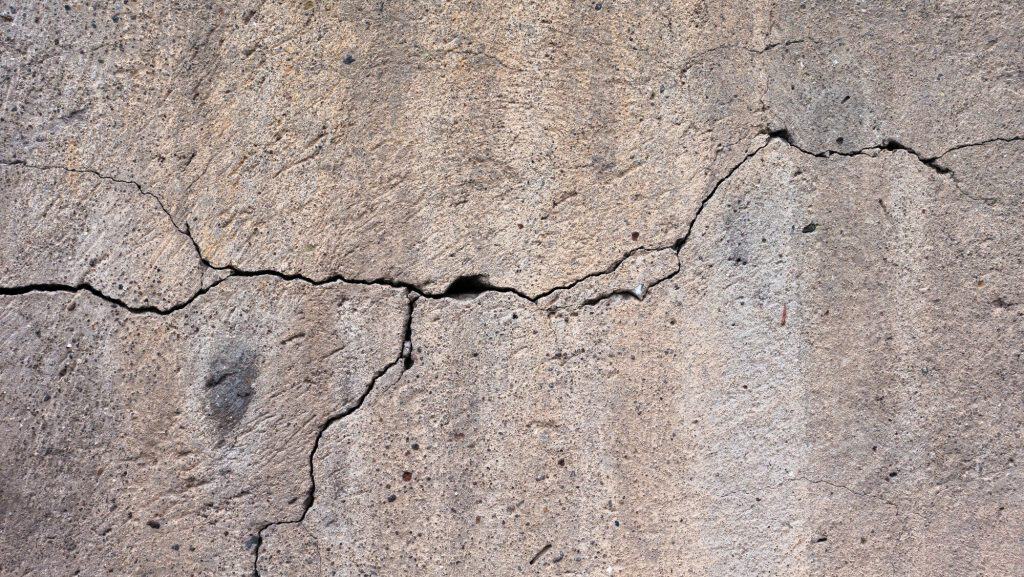
Neglecting the roof deck allows hungry insects to hollow out heavy timbers over several months. The weight of heavy winter snow or intense summer storms puts immense stress on brittle wood. A weakened structure can fail suddenly under these normal weather loads.
Ceilings may begin to bow downward as the internal framing loses its load-bearing capacity. You might notice sticking windows or doors that no longer close smoothly within their frames. Fixing these deep structural flaws requires significant labor and high material costs.
Financial Impacts of Delayed Repairs
Repairing insect destruction costs significantly more than routine preventative home upkeep. Standard homeowner insurance policies rarely cover pest damage since it is considered preventable.
Property owners must cover the entire bill using personal savings or high-interest loans. A complete structural rebuild can easily exceed $10000, depending on the size of the house, a hefty price tag for any family.
Investing in early inspections saves thousands of dollars over the lifespan of your property. Timely remediation keeps your family safe and preserves your long-term equity.
Prevention Strategies
Preventing insect entry requires a multi-layered approach to home maintenance. Property owners should clear dead tree branches away from the roofline to eliminate easy access for pests.
Storing firewood and organic mulch far from the foundation reduces the risk of local colonies moving toward your walls.
Regular professional inspections offer the best defense against quiet structural damage. Hiring an inspector once every 2 years keeps you ahead of potential pest developments. Consistent care guarantees your overhead framework remains strong for decades.
Maintaining a strong barrier against pests takes consistent effort throughout the year. Scheduling yearly checkups keeps small leaks from turning into massive breeding grounds for wood-boring bugs. Addressing minor flaws protects the entire framework from top to bottom.
Safe homes rely on sturdy support structures that remain free from pest destruction. Plan your next inspection today to keep your property secure for decades ahead.